Explore our premium grade digital multimeters, diagnostic oscilloscopes, and electric vehicle signal verification instruments.
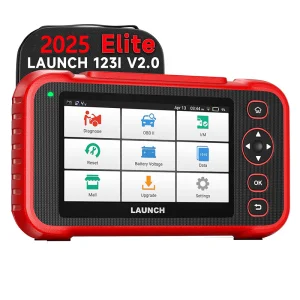
Leading the next generation of ECU simulation, validation, and multi-protocol signal generation for OEMs and global Tier-1 suppliers.
The global automotive industry is undergoing a paradigm shift driven by Software-Defined Vehicles (SDVs), Advanced Driver Assistance Systems (ADAS), and Electrification. At the core of validating this complex architecture lies the requirement for precise physical and digital stimulation. Automotive Signal Generators are no longer merely diagnostic aids; they have evolved into critical validation tools utilized from early-stage R&D laboratory simulations to end-of-line (EOL) vehicle testing.
Modern vehicles contain upward of 100 Electronic Control Units (ECUs) managing critical subsystems such as powertrain, safety systems, battery management, and chassis control. Ensuring these controllers interpret real-world analog sensor signals correctly requires high-fidelity signal simulation. Automotive signal generators replicate critical vehicle metrics including crankshaft position (CKP), camshaft position (CMP), wheel speed (ABS), and pulse width modulation (PWM) inputs, allowing engineers to verify control unit logic under normal, degraded, and fault states without deploying physical rotating components.
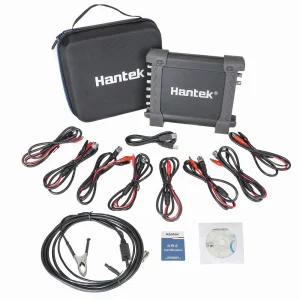
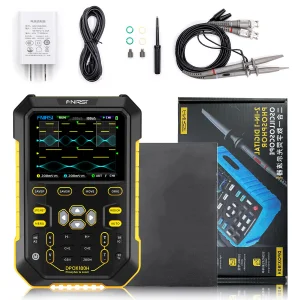
From an industrial perspective, manufacturers rely heavily on Automotive Signal Generators to conduct Hardware-in-the-Loop (HIL) testing. Integrating variable signal generators with advanced digital oscilloscopes (such as the 8-channel Hantek 1008C or high-frequency portable systems like DPOX180H) forms a comprehensive loop that isolates communication faults, validating CAN, LIN, FlexRay, and automotive Ethernet buses under rigorous environmental stresses.
How global validation facilities, maintenance workshops, and EV plants deploy our equipment to solve critical verification bottlenecks.
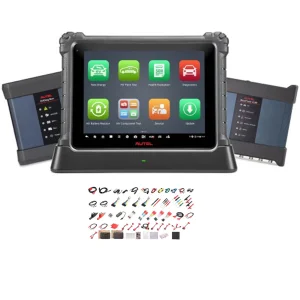
In New Energy Vehicle (NEV) facilities across Germany and China, high-voltage battery management systems (BMS) require precise cell-voltage and temperature emulation. Our signal generators replicate high-accuracy voltage drift, cell balancing states, and temperature thermistor behaviors. Using systems like the MaxiSYS Ultra EV, engineers analyze how high-voltage packs respond to dynamic thermal profiles without the risk of physical battery runaway.
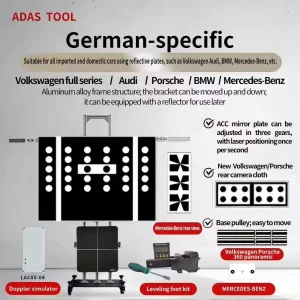
Radar and camera calibration systems (such as the ADAS Calibration Equipment Spec for VW/Audi) utilize specialized frequency and waveform emulation. Signal generators produce precise micro-Doppler signals to simulate dynamic target objects, verifying the responsiveness of forward collision warning (FCW) systems and autonomous emergency braking (AEB) algorithms in a static laboratory environment.
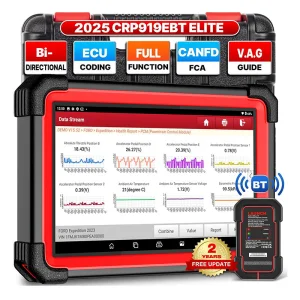
Automotive repair workshops in North America and Western Europe encounter elusive sensor dropouts. Technicians deploy portable dual-channel signal simulators alongside diagnostic tablets (such as the LAUNCH X431 CRP919E or CRP123i) to inject dummy signals directly into the wiring harness. This isolates whether a fault resides in the physical sensor or within the ECU's receiver circuitry, slashing diagnostic turnaround times.
Pioneering high-frequency testing solutions, multi-protocol integration, and autonomous vehicle validation pipelines.
Implementation of multi-channel arbitrary waveform generators capable of generating custom, user-defined waveforms up to 20MHz. Real-time software interfaces allow engineers to import actual road noise capture profiles (from oscilloscopes like the DPOX180H) and replay them directly into target ECUs, offering unprecedented physical fidelity.
Shifting focus from basic physical layer waveform emulation to deep protocol simulation. Upcoming architectures integrate hardware CAN-FD, LIN, and Automotive Ethernet (100BASE-T1) physical layers directly inside the signal generator chassis, enabling simultaneous physical sensor and high-speed data bus injection.
Leveraging artificial intelligence to automate the fault-injection matrix. Future signal generators will dynamically generate randomized signal anomalies, noise variations, and transient voltage spikes, assessing ECU software robustness under machine-learning-driven edge cases. This system will directly pair with advanced autonomous vehicle fault setting and detection connection platforms.
A trusted global leader in advanced vehicle inspection, diagnostic equipment manufacturing, and ECU solutions.
Shenzhen Manata Scanner Co., Ltd. is a leading China automotive diagnostic equipment manufacturer specializing in advanced vehicle inspection systems and ECU diagnostic solutions for the global automotive aftermarket. With a strong commitment to innovation, quality, and intelligent vehicle servicing, Manata Scanner delivers reliable diagnostic technologies designed to improve maintenance efficiency, reduce downtime, and support modern workshop operations.
The company offers a comprehensive portfolio of automotive diagnostic equipment, including vehicle inspection systems, ECU programming and coding tools, automotive scan tools, ADAS calibration equipment, EV battery diagnostic systems, TPMS diagnostic devices, and intelligent fleet diagnostic solutions. These products are widely used by automotive repair workshops, vehicle inspection centers, dealerships, fleet operators, and maintenance service providers worldwide.
Driven by continuous technological innovation, Shenzhen Manata Scanner Co., Ltd. integrates artificial intelligence, cloud connectivity, big data analysis, and advanced electronic testing technologies into its product development process. The company's R&D team focuses on creating intelligent, accurate, and user-friendly diagnostic solutions capable of meeting the evolving requirements of both conventional and new energy vehicles.
Quality is at the core of Manata Scanner's manufacturing philosophy. The company implements strict quality management procedures throughout design, production, testing, and final inspection to ensure stable performance and long-term reliability. Its products are engineered to comply with international standards and are exported to customers across Europe, North America, South America, Southeast Asia, the Middle East, and other global markets.
Committed to becoming a trusted global partner in automotive diagnostics, Shenzhen Manata Scanner Co., Ltd. continues to provide innovative products, professional technical support, and customized solutions that help customers enhance service capabilities and operational efficiency.
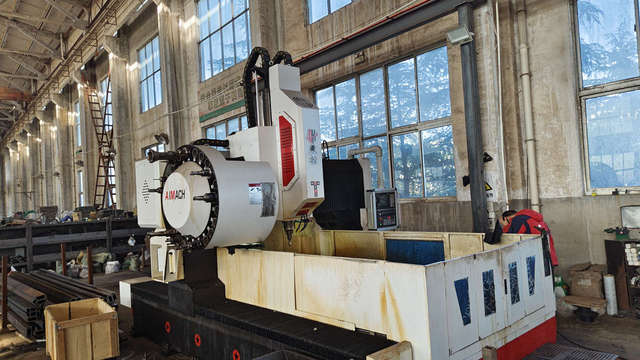
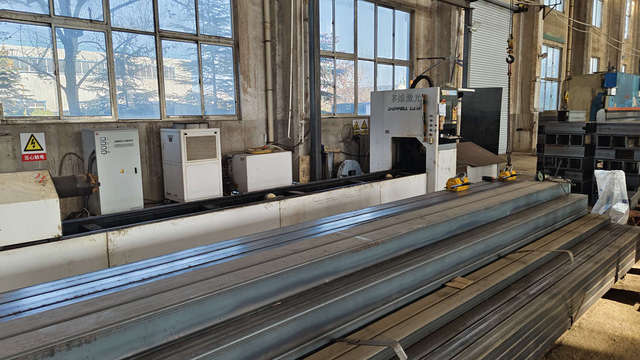
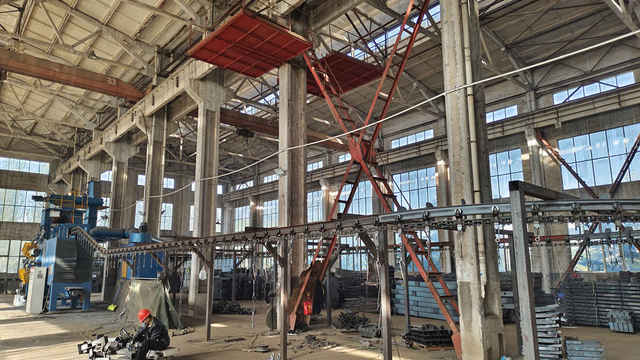
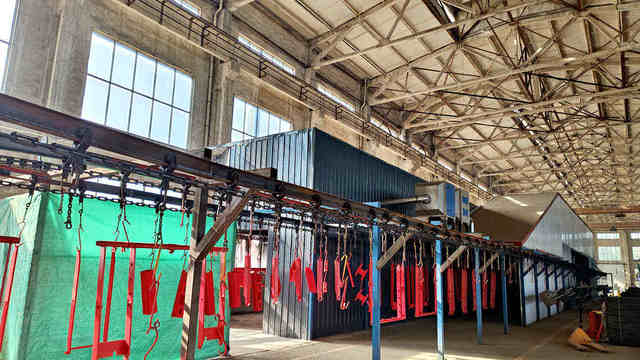

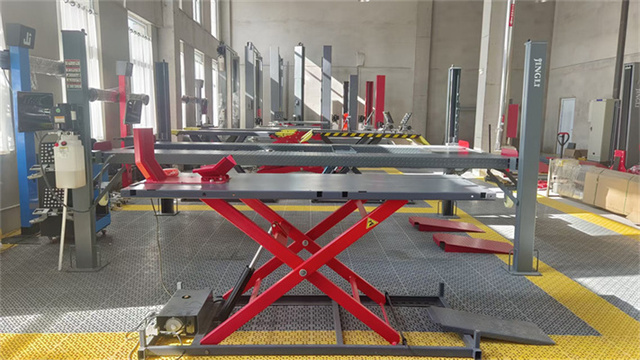
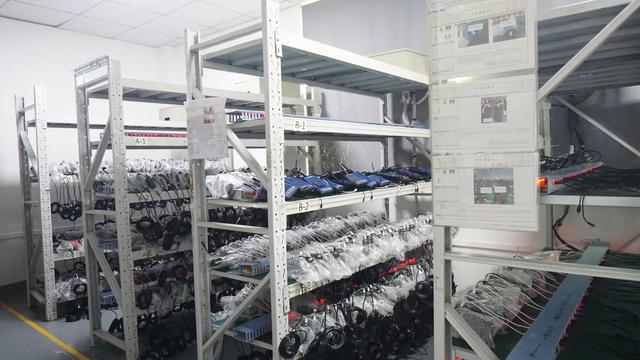
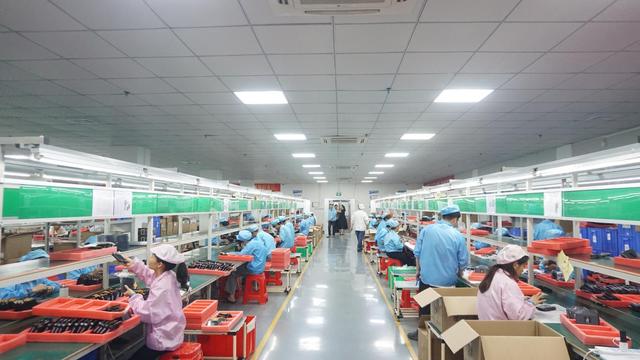
Leveraging Shenzhen's advanced electronics ecosystem to deliver robust, cost-effective, and highly scalable automotive testing solutions.
Manufacturing sophisticated automotive testing instruments demands access to a highly integrated, responsive, and robust electronics component ecosystem. Located in the heart of China’s electronic manufacturing hub, Shenzhen Manata Scanner Co., Ltd. leverages a highly localized supply chain, ensuring rapid raw material procurement, PCB assembly (PCBA), and precise plastic molding injection, which cuts the product development cycle by over 40% compared to Western competitors.
Key structural advantages of our China-based facility include:
Ensuring absolute peace of mind through international certifications, OTA firmware updates, and local engineering partnerships.
Global operations require compliance with local regulatory bodies. All Manata Scanner signal generators and diagnostic oscilloscopes carry full certificates of compliance, including CE (Conformité Européenne), FCC (Federal Communications Commission), and RoHS (Restriction of Hazardous Substances). This guarantees safety, electromagnetic compatibility, and environmental sustainability in industrial environments.
To support clients worldwide, we offer:
Providing clear, authoritative answers to critical technical questions regarding automotive signal simulation and diagnostics.
What is the primary role of an automotive signal generator?
Can these generators emulate signals for modern EV and Hybrid vehicle systems?
How do digital oscilloscopes like the Hantek 1008C integrate with signal generators?
Do your manufacturing processes align with OEM quality standards?
How does your factory support OEM/ODM customized signal generator development?
Select from our advanced vehicle diagnostic scan tools, mobile inspection, and software calibration products.
 Manata Scanner