Manata Scanner
1 / 5
| Drive Mode | Traction + wire rope |
| Car Size | Sedan ≤ 5300×1900×1550mm SUV ≤ 5300×1900×2050mm |
| Car Weight | ≤2350kg |
| Power & Speed | Lifting: 30kw, Max: 95m/min Turn: 2.2kw, 4.5 rpm |
| Vehicle access method | Forward in and forward out |
| Power Resource | 3P 380V 50Hz and customization |
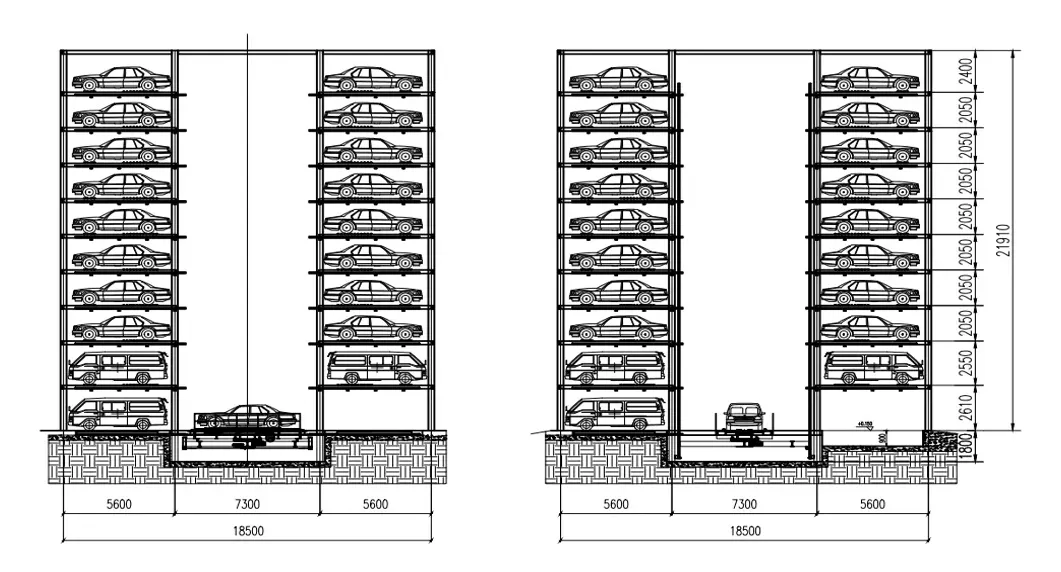
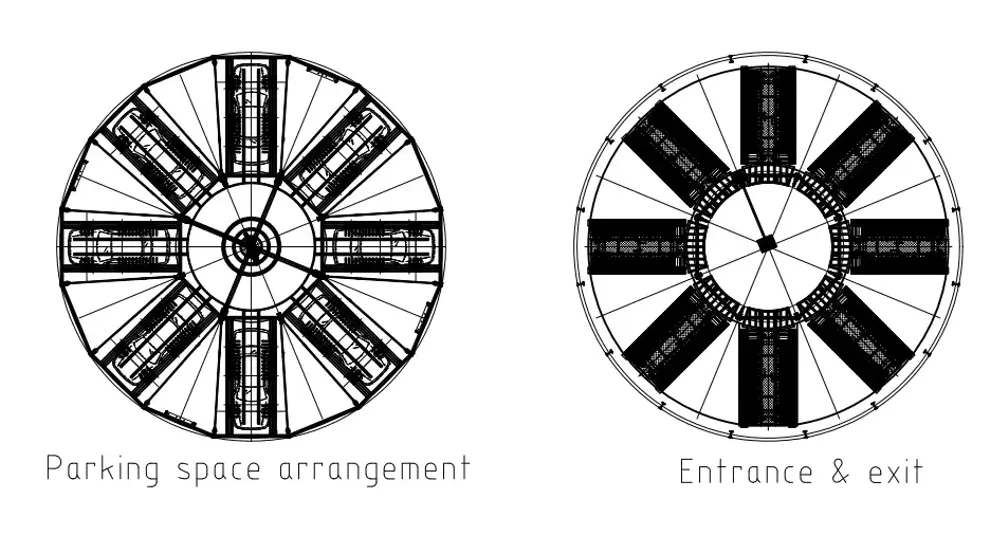
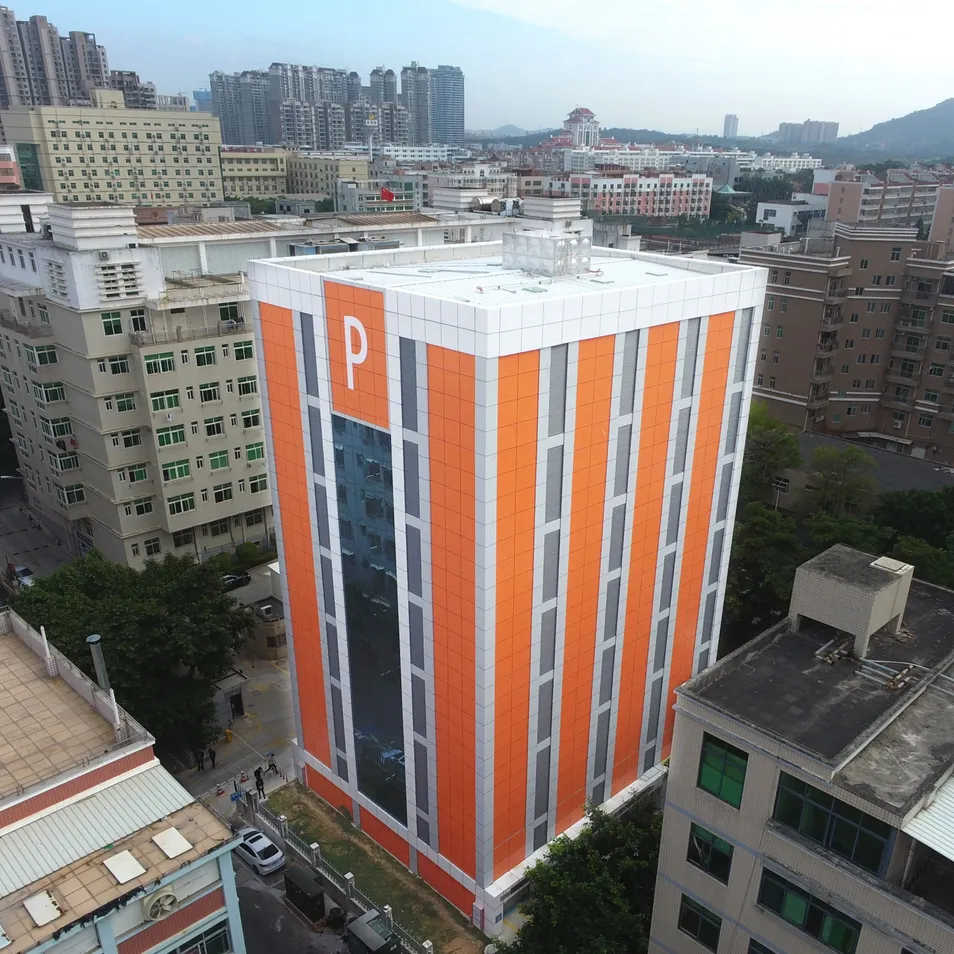
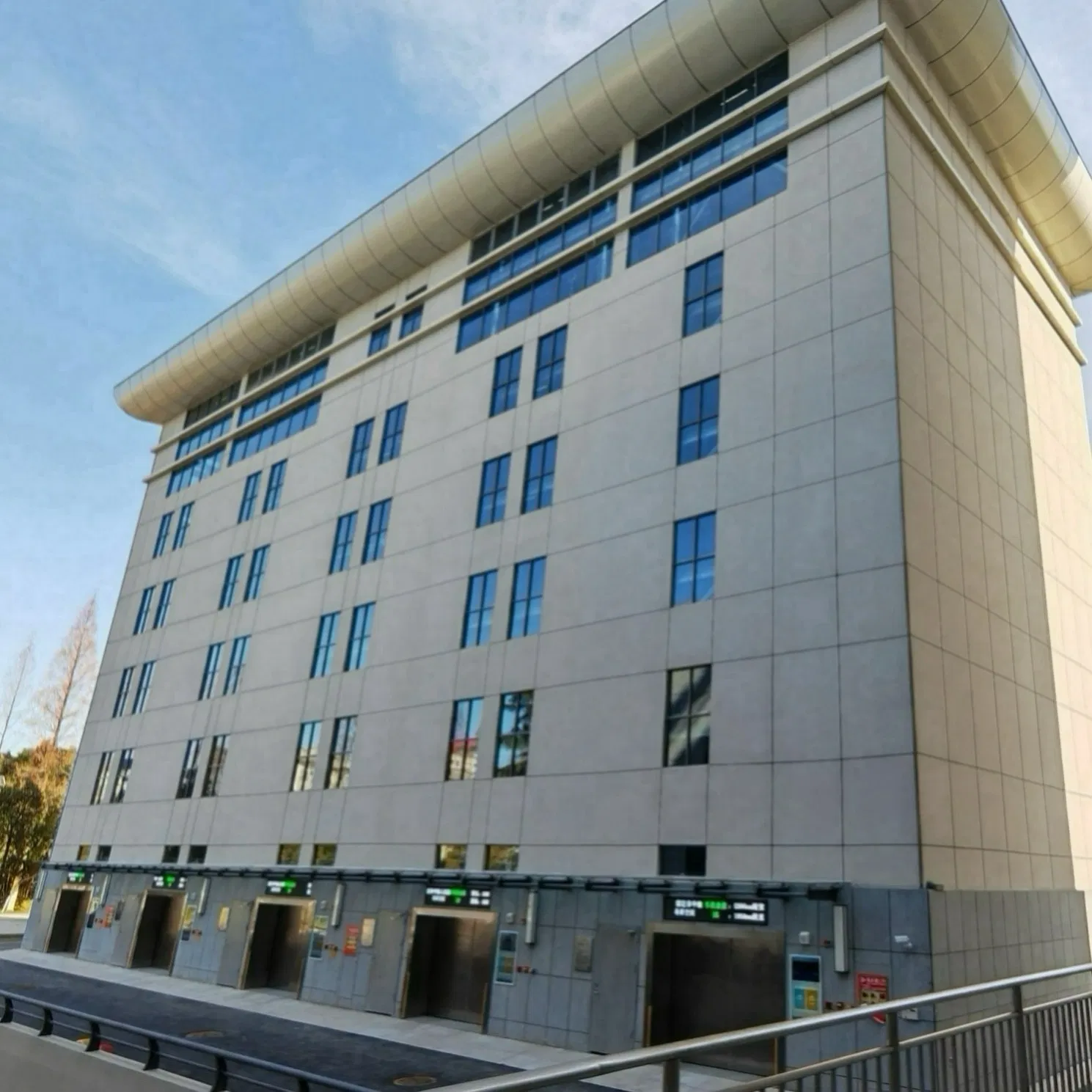
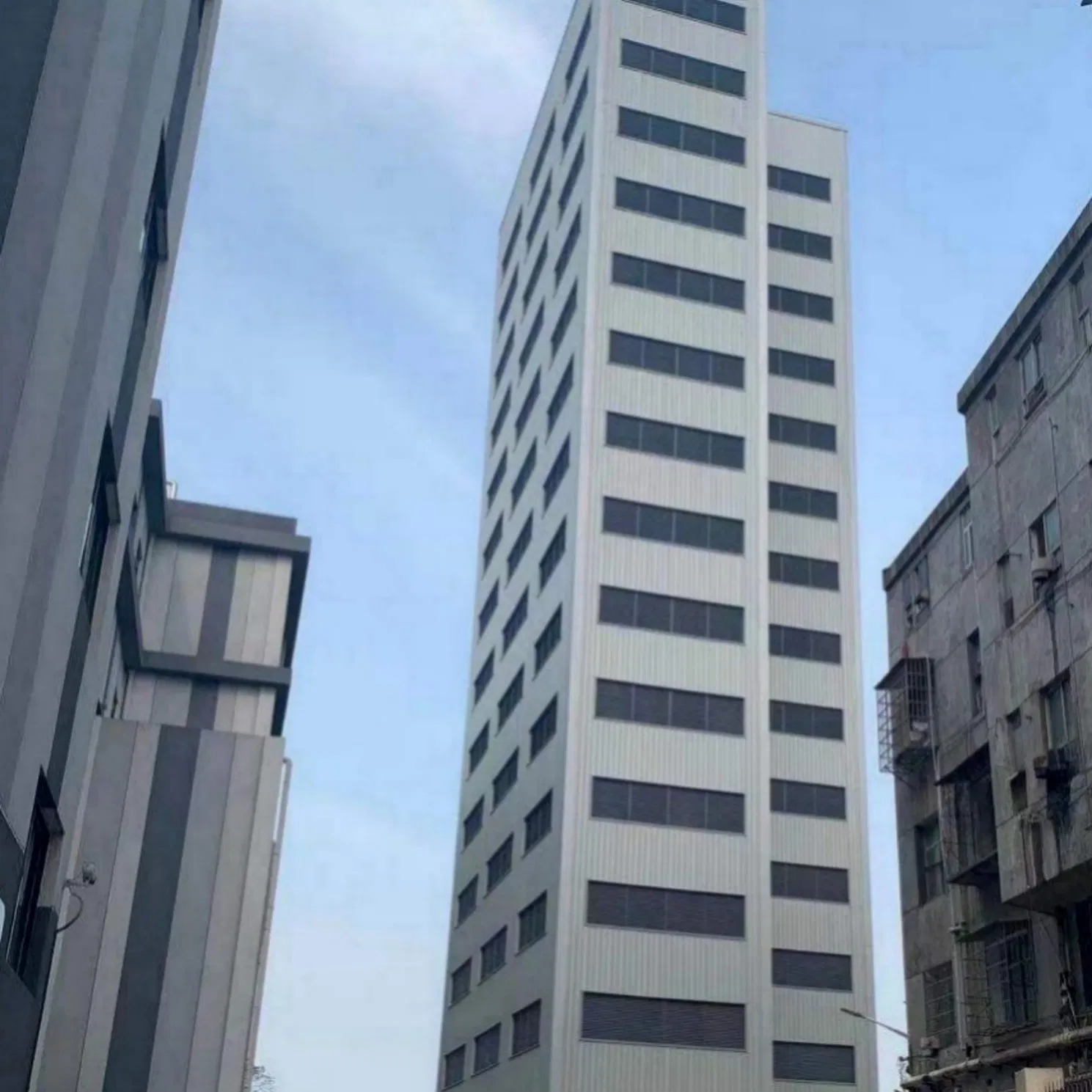
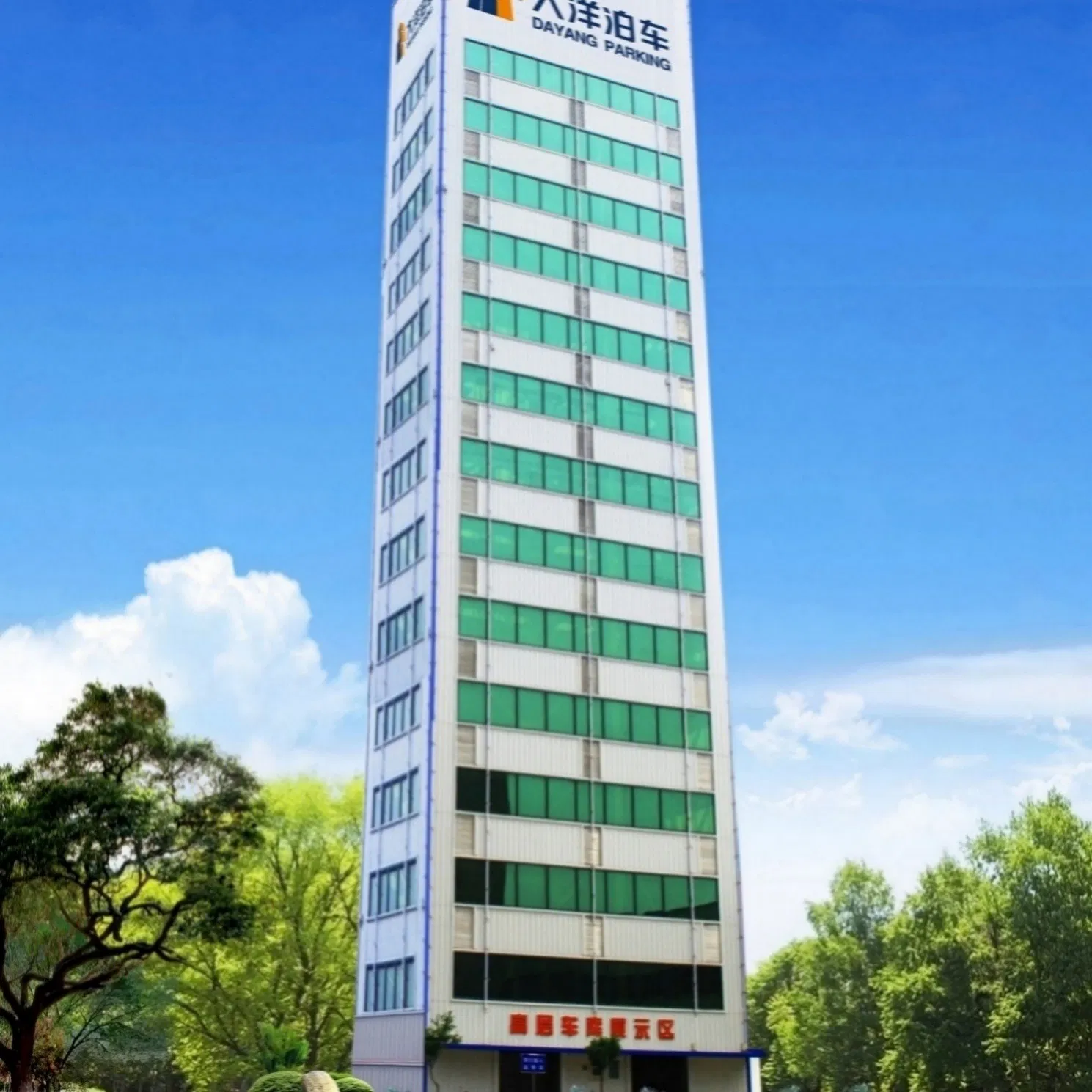
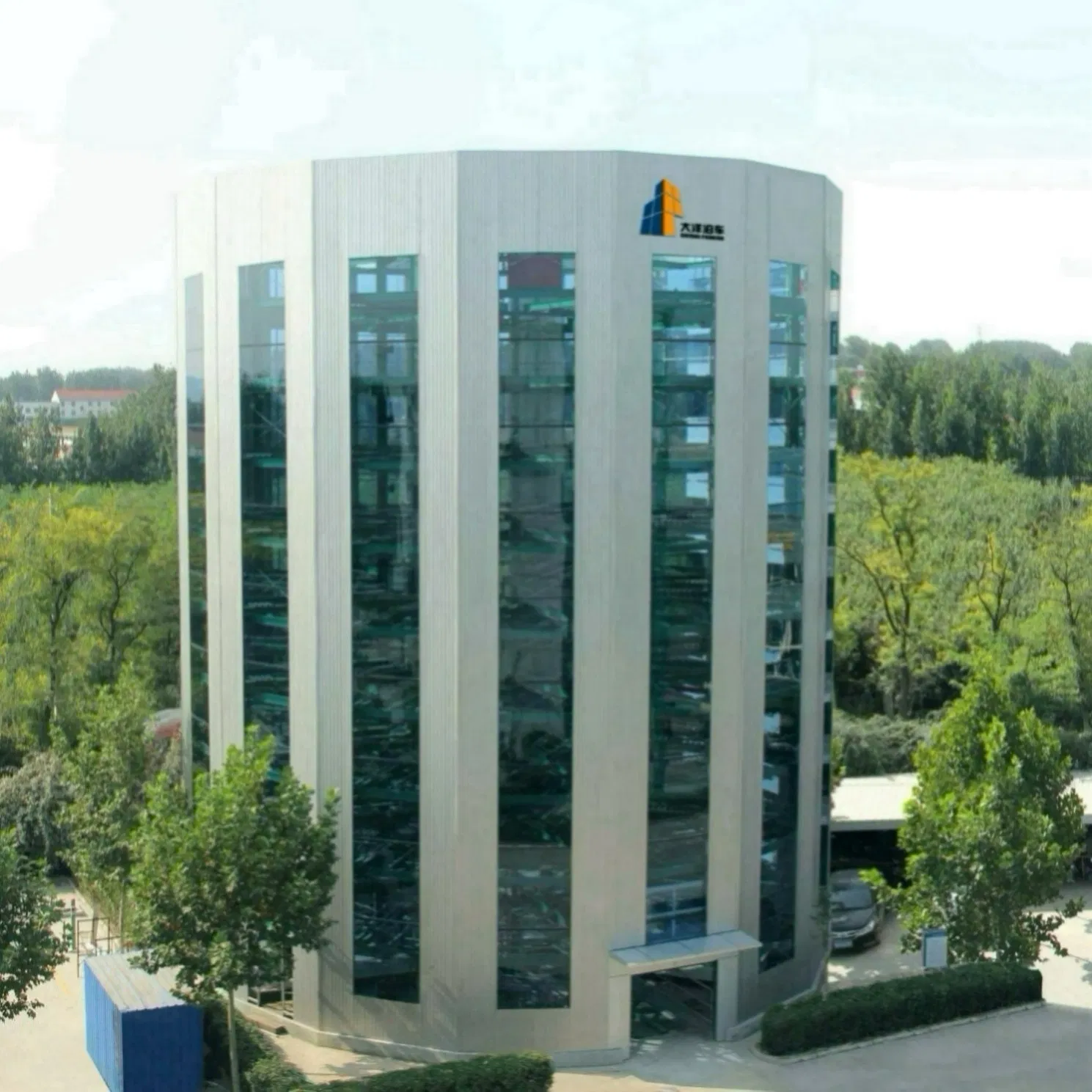
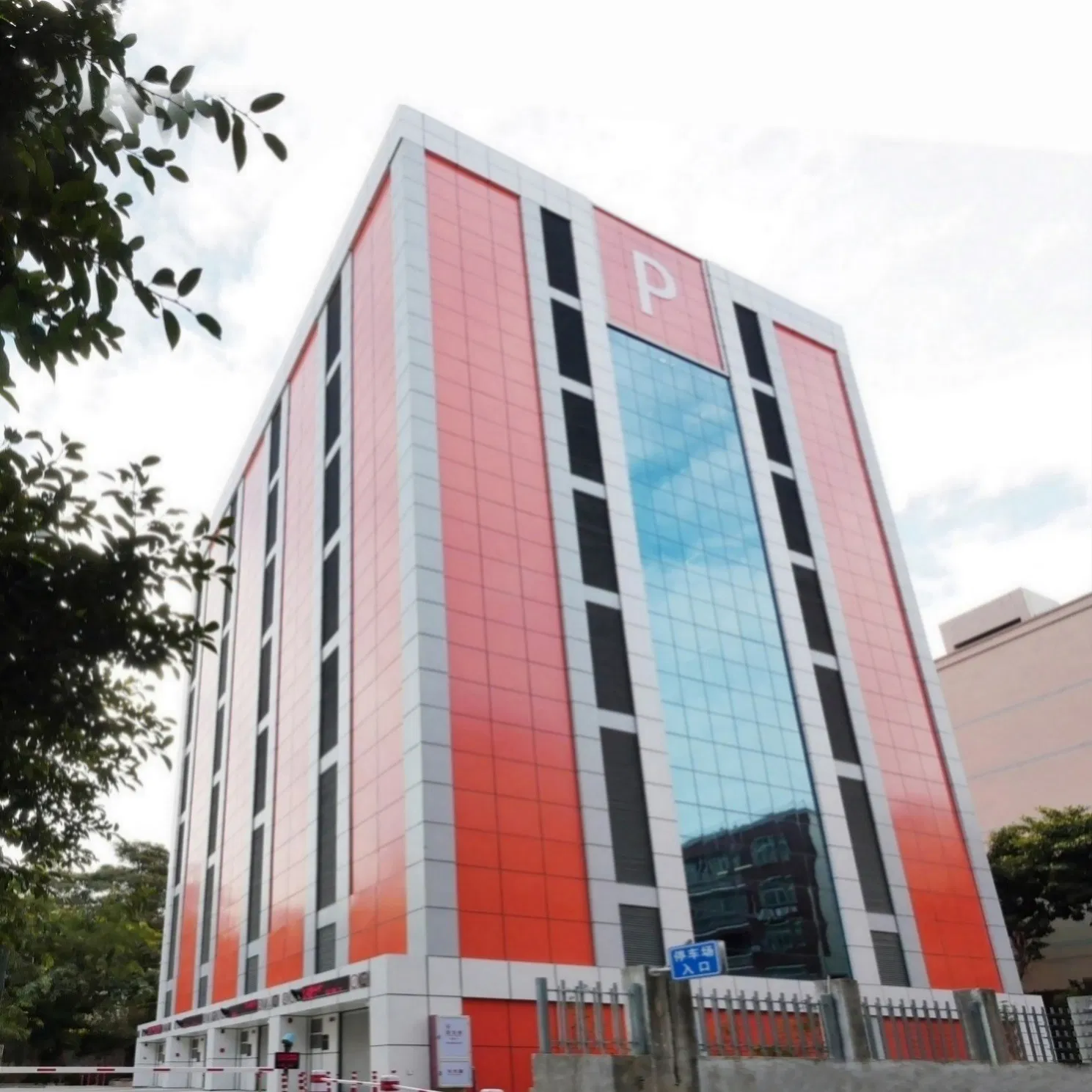
Develops vertically with a small footprint: The system adopts a vertical tower design, requiring only a small circular foundation to construct dozens of parking levels upwards, achieving exceptionally high land utilization. This is crucial for expensive urban central areas, potentially increasing capacity several-fold or even dozens of times compared to traditional surface parking.
No need for ramps or driveways: Unlike traditional parking facilities that require significant space for vehicle circulation and access, this system uses elevators for vertical transport, completely eliminating internal traffic lanes and dedicating all space purely to parking.
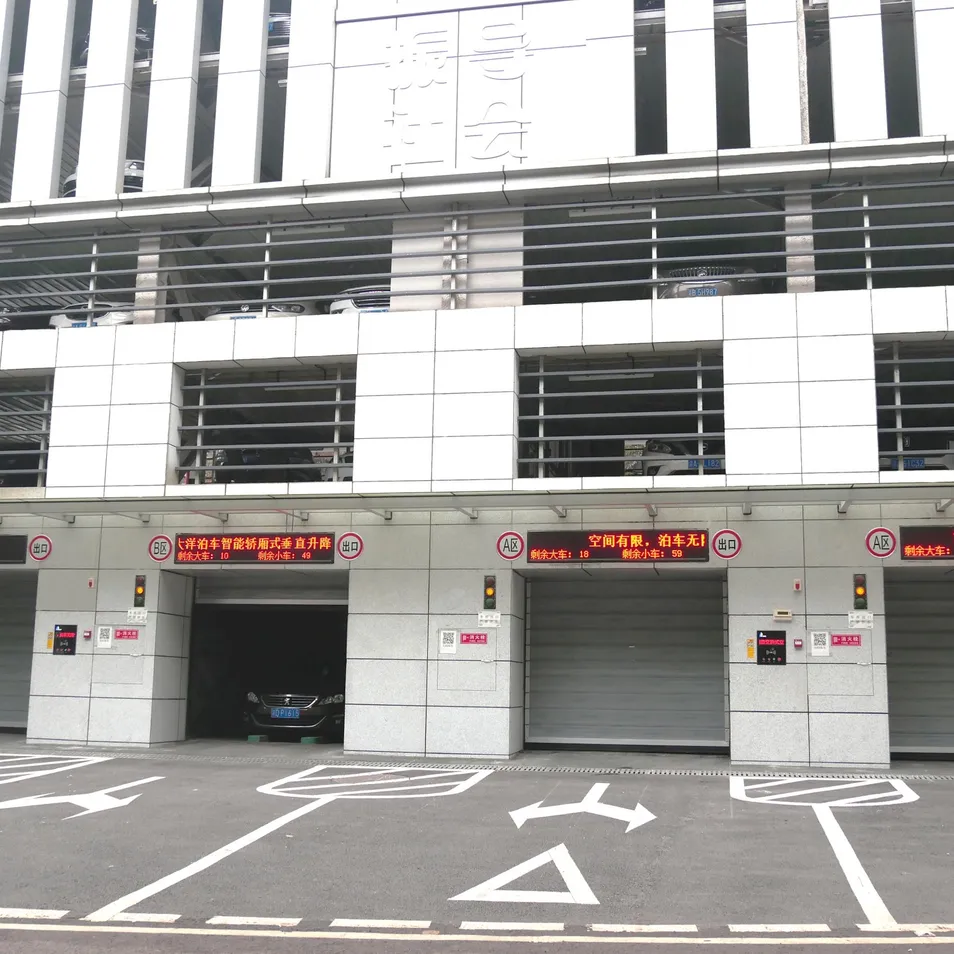
Single, efficient vertical transport core: The system is typically equipped with one or two high-speed elevators responsible for vertically transporting all vehicles to target levels.
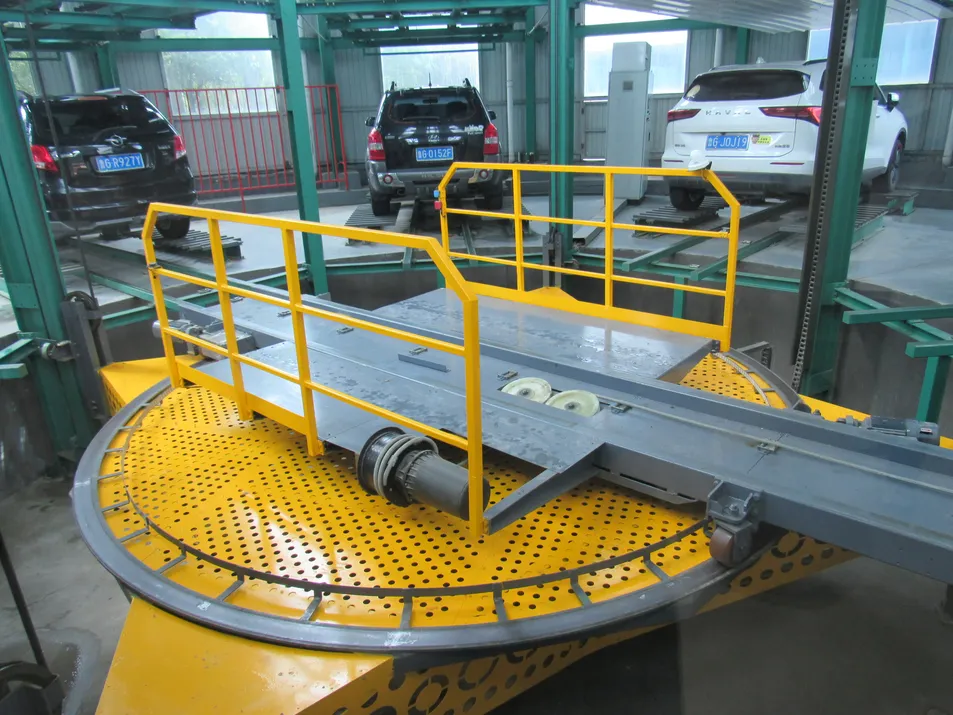
Rotating platform technology: This is one of its core advantages. The rotating platform on the elevator can perform 360-degree rotation while the vehicle is being lifted or lowered. This means vehicles don't need to turn around inside the tower for access and exit directly facing forward ("head-in, head-out"), greatly simplifying driver operation and reducing access time.
Fully enclosed structure: Vehicles are parked within a fully enclosed steel structure tower, effectively avoiding damage from sun, rain, hail, and other natural elements, as well as preventing manual scratches, theft, or vandalism.
Automated operation, minimizing human error: The entire parking and retrieval process is completed automatically by the computer system. Drivers only need to park the vehicle on the entrance turntable. This completely avoids potential collision accidents caused by driving in confined spaces.
Multiple safety devices: The system is equipped with audible and visual alarms, emergency stop buttons, oversize/overweight vehicle detection, personnel intrusion detection, fall prevention devices, etc., ensuring fail-safe operation.
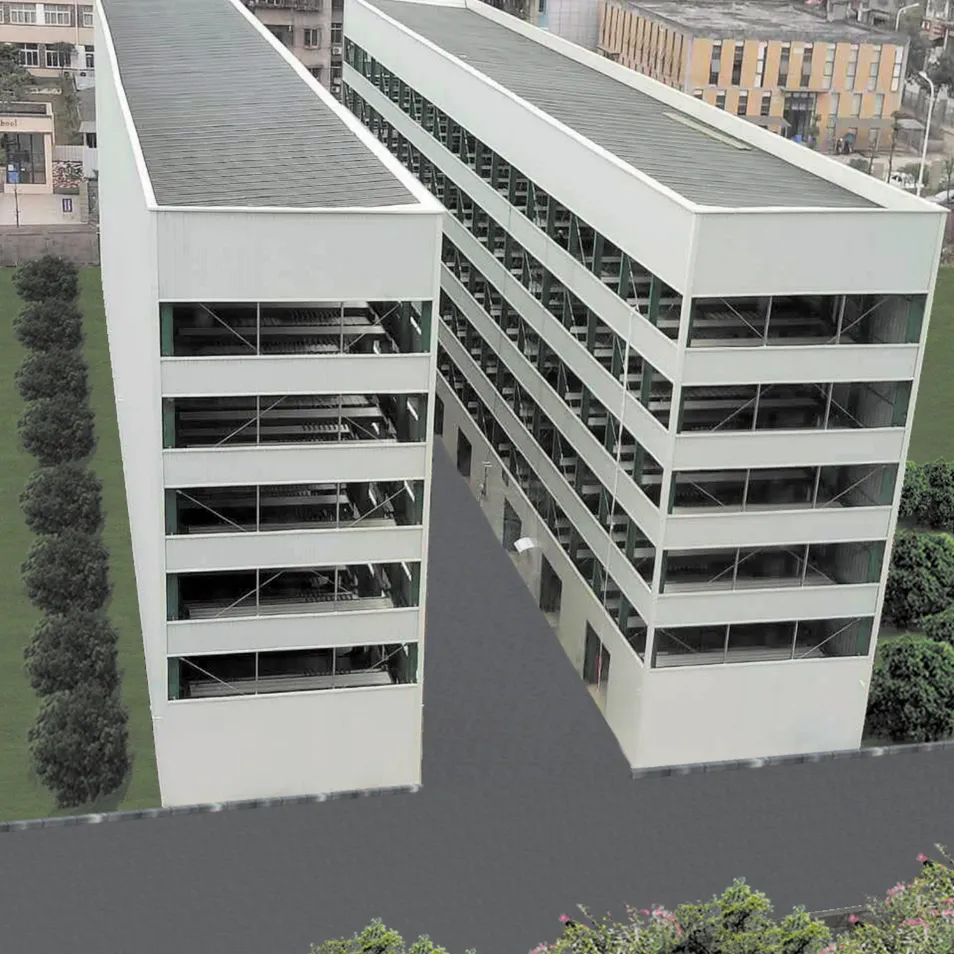
Reduces land development and concrete use: Due to the small footprint, there is less disruption to the original ecological environment and reduced carbon emissions during development.
Reduces vehicle emissions: Drivers avoid prolonged low-speed driving searching for spaces within parking lots, thereby reducing tailpipe emissions inside the facility and improving internal air quality.
Electric drive, high energy efficiency: The system uses electric drive. Compared to traditional parking facilities requiring extensive lighting and ventilation systems, its total energy consumption is typically lower. Some advanced models also incorporate energy feedback systems to recover electricity during descent.
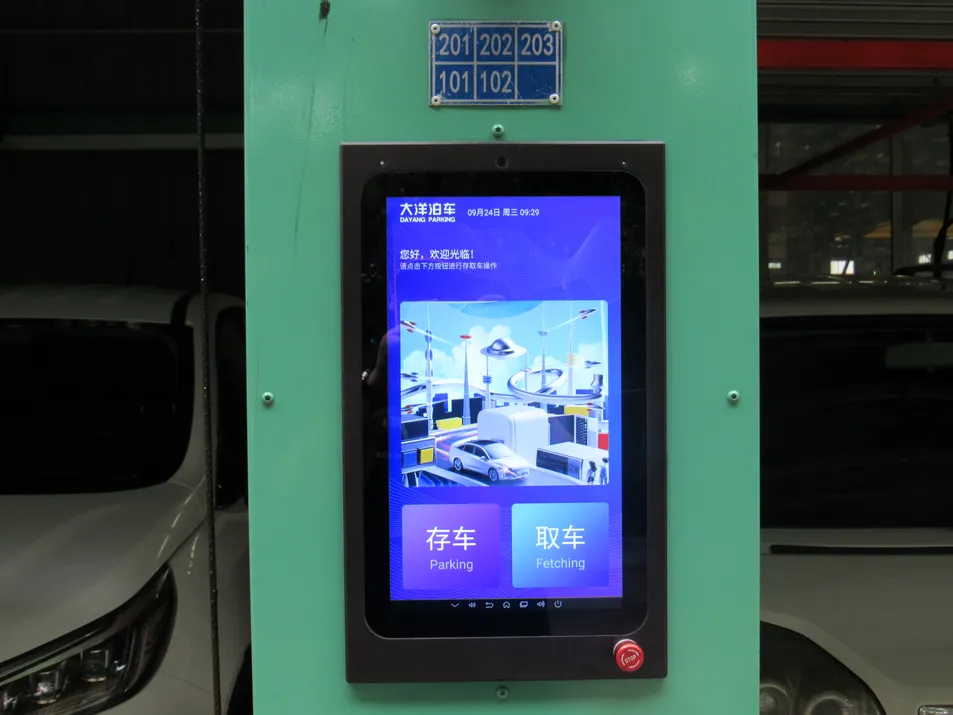
Automated control: Users can complete parking and retrieval operations simply via touchscreen, card swipe, mobile app, or license plate recognition, making the process straightforward and quick.
Fast retrieval: The system automatically optimizes access paths, with average retrieval times typically between 1 to 3 minutes, which is highly beneficial for turnover during peak hours.
Status monitoring and remote diagnostics: Most systems are equipped with remote monitoring and diagnostic functions, allowing maintenance personnel to understand equipment status in real-time and identify and address issues promptly.