Engineered for high-throughput workshops in Algiers, Oran, and Constantine. Precision sensors, heavy-duty calibration, and certified reliability.
Analyzing key variables driving wheel alignment demand across Algeria's dynamic logistics and passenger transport routes.
Algeria's automotive landscape is undergoing rapid transformation. With massive infrastructure initiatives like the East-West Highway connecting major metropolitan zones, vehicle transit has increased exponentially. However, diverse terrain conditions—ranging from high-temperature southern desert roads to steep mountain passes in the Atlas region—expose steering and suspension systems to extreme stress. Potholes, gravel tracks, and variable surface temperatures cause frequent misalignment, creating high demand for rapid, precise workshop calibration.
Consequently, automotive service centers in major economic hubs like Algiers, Oran, Sétif, and Constantine require industrial-grade, highly repeatable alignment equipment. Standard solutions are no longer sufficient to align modern vehicles equipped with Advanced Driver Assistance Systems (ADAS).
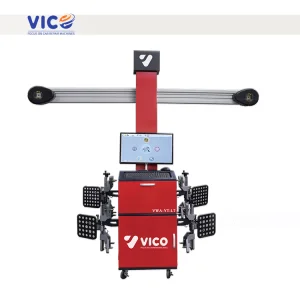
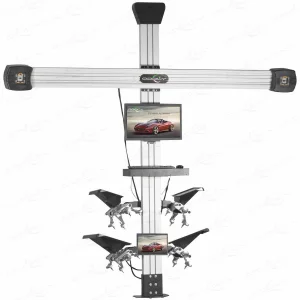
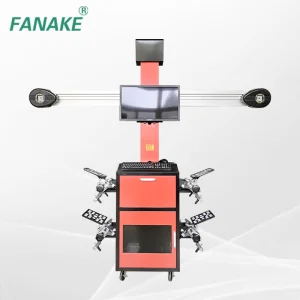
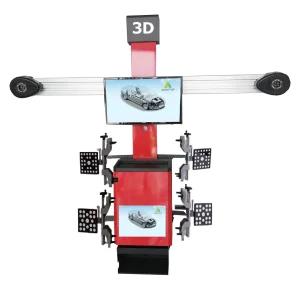
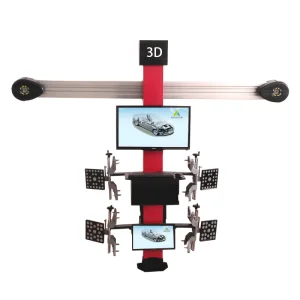
Traditional laser or CCD sensors are prone to calibration drift when exposed to rugged shop environments and extreme heat. High-definition 3D camera alignment systems utilize passive reflective targets mounted on wheels, removing electronic sensors from the measurement zone. This design eliminates downtime caused by dropped sensors or connection failures.
Modern workshops must also integrate wheel alignment with ADAS calibration. As modern vehicles enter the Algerian market, steering angle sensor (SAS) resets have become an essential part of the alignment workflow. A secure, cloud-connected alignment machine ensures local technicians can complete jobs safely, efficiently, and in compliance with international standards.
Consult with Our EngineersUnderstanding the technical, economic, and logistical advantages of partnering with Shenzhen's advanced manufacturing hubs.
Algeria operates primarily on 220V/380V at 50Hz. Our manufacturing lines configure all wheel aligners, balancing machines, and tire changers to match these power specifications, preventing electrical strain on sensitive PCB components.
To support Algerian operators, our user interfaces include French, Arabic, and English languages. This reduces training requirements and helps technicians operate equipment safely and accurately.
With established shipping routes from Shenzhen and Guangzhou to key Algerian ports (Algiers, Oran, Bejaia), we provide comprehensive documentation (CO, CE, SASO, and customized shipping manifests) to ensure smooth customs clearance.
Matching the appropriate diagnostic and wheel alignment technologies to specific operational scales and service needs.
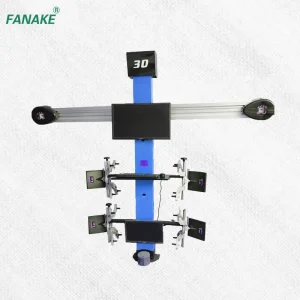
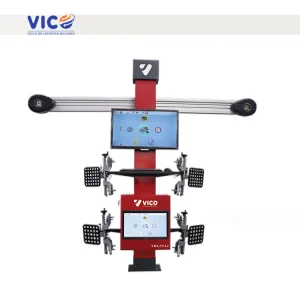
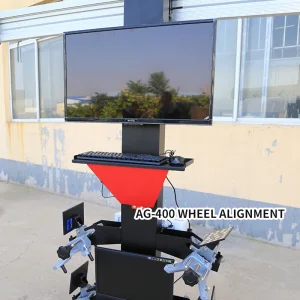
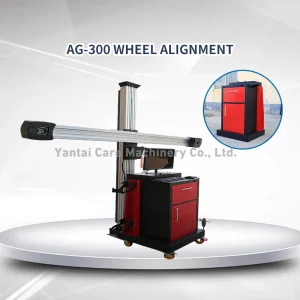
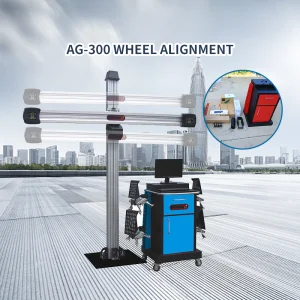
Urban hubs handle a continuous volume of passenger vehicles, requiring fast turnaround times to maximize bay efficiency. For these locations, we recommend a 3D wheel aligner with high-resolution digital cameras and an automatic tracking beam. This setup allows technicians to perform runout compensation and obtain full alignment readings in under two minutes.
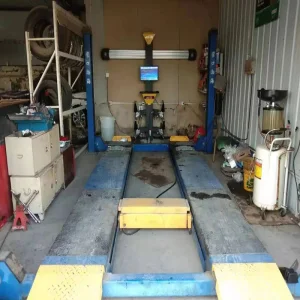
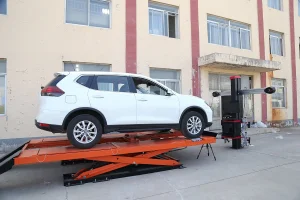
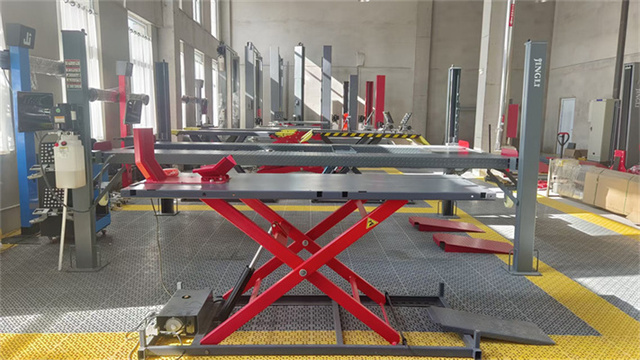
By pairing the aligner with a synchronized hydraulic lift, the system ensures consistent accuracy at varying working heights. Technicians can perform adjustments at comfortable working levels without losing camera tracking.
Logistics operators servicing transport routes to Hassi Messaoud and southern industrial sectors require highly robust alignment tools. For these applications, we recommend heavy-duty CCD or ruggedized 3D systems. These systems are designed to calibrate truck and bus chassis, helping fleet operators reduce tire wear and fuel consumption over long-haul routes.
These systems feature reinforced sensor housings and dustproof designs to ensure reliable performance under demanding field conditions.
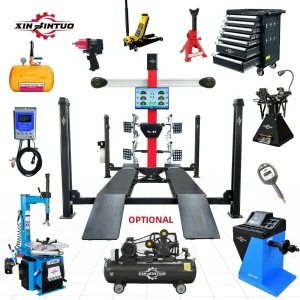
Explore our full range of CE-certified garage equipment. Built for durability, accuracy, and seamless daily operation.
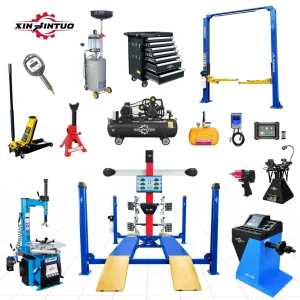
Global leaders in automotive diagnostics, precision wheel service, and intelligent workshop systems.
Shenzhen Manata Scanner Co., Ltd. is a leading China automotive diagnostic equipment manufacturer specializing in advanced vehicle inspection systems and ECU diagnostic solutions for the global automotive aftermarket. With a strong commitment to innovation, quality, and intelligent vehicle servicing, Manata Scanner delivers reliable diagnostic technologies designed to improve maintenance efficiency, reduce downtime, and support modern workshop operations.
The company offers a comprehensive portfolio of automotive diagnostic equipment, including vehicle inspection systems, ECU programming and coding tools, automotive scan tools, ADAS calibration equipment, EV battery diagnostic systems, TPMS diagnostic devices, and intelligent fleet diagnostic solutions. These products are widely used by automotive repair workshops, vehicle inspection centers, dealerships, fleet operators, and maintenance service providers worldwide.
Driven by continuous technological innovation, Shenzhen Manata Scanner Co., Ltd. integrates artificial intelligence, cloud connectivity, big data analysis, and advanced electronic testing technologies into its product development process. The company's R&D team focuses on creating intelligent, accurate, and user-friendly diagnostic solutions capable of meeting the evolving requirements of both conventional and new energy vehicles.
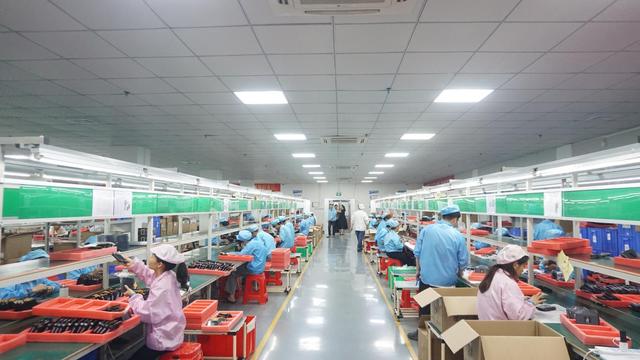
Quality is at the core of Manata Scanner's manufacturing philosophy. The company implements strict quality management procedures throughout design, production, testing, and final inspection to ensure stable performance and long-term reliability. Its products are engineered to comply with international standards and are exported to customers across Europe, North America, South America, Southeast Asia, the Middle East, and other global markets. Committed to becoming a trusted global partner in automotive diagnostics, Shenzhen Manata Scanner Co., Ltd. continues to provide innovative products, professional technical support, and customized solutions that help customers enhance service capabilities and operational efficiency.
Essential technical criteria for importers, distributors, and workshop owners in North Africa.
The core of a 3D wheel aligner is its optical imaging system. High-resolution CMOS cameras (typically 5 megapixels or higher) capture raw position data from target plates. Higher resolution translates to greater precision when measuring thrust angles, camber, caster, and toe settings.
Additionally, search for systems featuring dynamic compensation technology, which allows accurate measurements even if the alignment lift is slightly uneven, reducing installation and calibration costs.
A wheel aligner is only as good as its vehicle database. In Algeria, the passenger vehicle fleet includes a wide range of French and German models alongside newer Asian passenger cars. A robust aligner database should feature yearly updates, customizable entry fields, and remote update capabilities to keep pace with new vehicle releases.
Inquire About Database UpdatesAnswering technical, logistical, and operations questions for distributors and workshop operators.
Get in touch with our product engineers to configure the optimal wheel alignment and diagnostic package for your market.
Contact Our Export Division Manata Scanner