Reliable, tested, and high-precision scan tools and oscilloscopes engineered for modern diagnostics workshops and manufacturing testing.
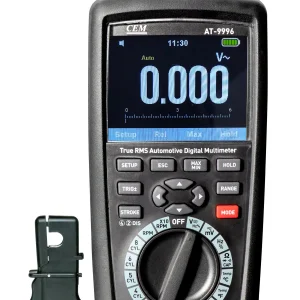
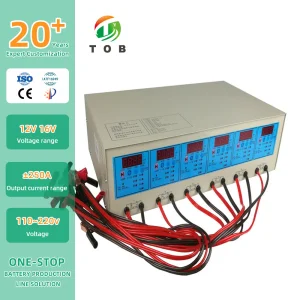
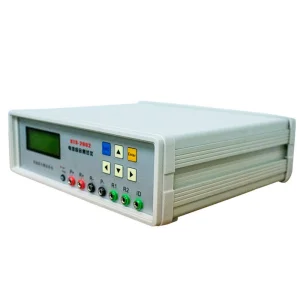
Innovating Global Automotive Diagnosis and Workshop Efficiency Standards
Shenzhen Manata Scanner Co., Ltd. is a premier China automotive diagnostic equipment manufacturer specializing in advanced vehicle inspection systems and ECU diagnostic solutions for the global automotive aftermarket. Our company is founded on the principles of engineering precision, hardware stability, and responsive software integration to elevate the diagnostic workflow of workshop operators, automotive research centers, fleet logistics, and electric vehicle service hubs.
Driven by continuous technological innovation, Shenzhen Manata Scanner Co., Ltd. integrates artificial intelligence, cloud connectivity, big data analysis, and advanced electronic testing technologies into its product development process. The company's R&D team focuses on creating intelligent, accurate, and user-friendly diagnostic solutions capable of meeting the evolving requirements of both conventional internal combustion engine (ICE) and new energy vehicles (NEVs).
Quality is at the core of Manata Scanner's manufacturing philosophy. The company implements strict quality management procedures throughout design, production, testing, and final inspection to ensure stable performance and long-term reliability. Our diagnostic interfaces, Bluetooth OBD2 adapters, and high-frequency communication protocols are designed to comply with rigorous international certification schemes, providing an uncompromising bridge between vehicle networks and intelligent endpoint software.
Understanding the transition to Bluetooth 5.3 BLE, CAN FD, DoIP, and Edge AI Diagnostics.
Modern vehicles generate massive streams of diagnostics data. By adopting Bluetooth Low Energy (BLE) 5.3, our adapters ensure sub-10ms latency, extended range up to 100 meters, and enhanced packet length support to transfer complex frame data seamlessly without draining the vehicle's accessory power supply.
As vehicle ECUs increase in bandwidth, standard CAN is replaced by CAN FD (Flexible Data-rate) and DoIP (Diagnostics over IP). Our Bluetooth hardware features integrated microcontrollers that process dual-channel CAN FD and Ethernet-to-Bluetooth protocols directly on the VCI unit, avoiding packet drops.
With automakers utilizing Secure Gateway (SGW) protection (e.g., FCA, Renault, VAG), our design architecture implements cloud-authenticated decryption chips inside the Bluetooth hardware. This allows technicians to bypass SGW safety walls automatically via secure API keys during active diagnostics.
Over the next five years, local vehicle diagnostic systems will evolve into fully cloud-integrated diagnostic engines. Our hardware platform is engineered to serve as a low-cost, high-reliability gateway. Instead of hosting complex databases on local diagnostic hand-held terminals, the Bluetooth VCI directly captures high-fidelity RAW CAN frames, formats them into compact JSON/Protobuf packets, and transmits them to cloud diagnostic servers. This architecture lowers the hardware cost of client displays while allowing real-time algorithm updates on the server-side, facilitating instantaneous fault pattern recognition through Machine Learning (ML).
Adapting Bluetooth diagnostics to commercial fleets, heavy-duty machinery, and high-throughput workshops.
| Vertical Market Sector | Specific Diagnostic Challenge | Manata Bluetooth Hardware Solution | Operational Efficiency Impact |
|---|---|---|---|
| Commercial Fleet Logistics | Unplanned vehicle downtime, fuel inefficiency due to sensor degradation, and complex J1939 protocols. | Ultra-rugged J1939 Bluetooth Dongles with background telemetry push and continuous OBD parameter logging. | Down-time reduced by 35% |
| Diagnostic Tool Distributors | Increasing demand for white-label diagnostic hardware compatible with custom diagnostic apps (iOS/Android/Windows). | Customized OEM/ODM Bluetooth VCI adapters with cross-platform SDKs, APIs, and custom enclosures. | Fast-track time-to-market |
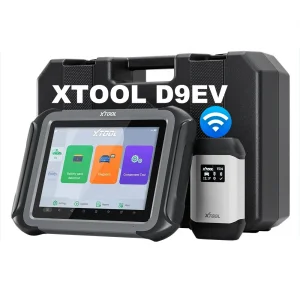
| Electric Vehicle (EV) Workshops | Handling complex battery pack inspections, high-voltage isolations, and localized EV battery pack diagnostics. | Integration with EV battery diagnostic systems, like the XTOOL D9EV, supporting BYD, Tesla, and CATL protocols. | Safe & fast battery cell analysis |
| OEM Automotive Assembly Lines | Fast firmware flashing, End-of-Line (EOL) coding, and calibration testing of ADAS modules. | High-throughput J2534 Bluetooth/USB Pass-Thru units supporting dual-band Wi-Fi and high-speed BLE. | Cycle time optimized by 22% |
A large-scale logistics operator in North America deployed Manata's custom Bluetooth VCIs across 500 light commercial trucks. By pulling real-time PID diagnostic data streams continuously and transmitting them over Bluetooth to the driver's telematics tablet, the company achieved predictive maintenance alerts for DPF regeneration and EGR valve cleaning, preventing highway breakdowns and reducing towing costs significantly.
Combining automated SMT assembly, rigid quality control, and rapid prototyping in Shenzhen's tech hub.
Shenzhen Manata Scanner Co., Ltd. operates a highly modernized manufacturing facility utilizing Industry 4.0 principles to produce high-precision PCBAs (Printed Circuit Board Assemblies) for vehicle diagnostics. Our factory features state-of-the-art SMT (Surface Mount Technology) lines, automated pick-and-place systems, Lead-Free Reflow Ovens, and computerized AOI (Automated Optical Inspection) systems capable of detecting trace soldering micro-fractures down to 0.05mm.
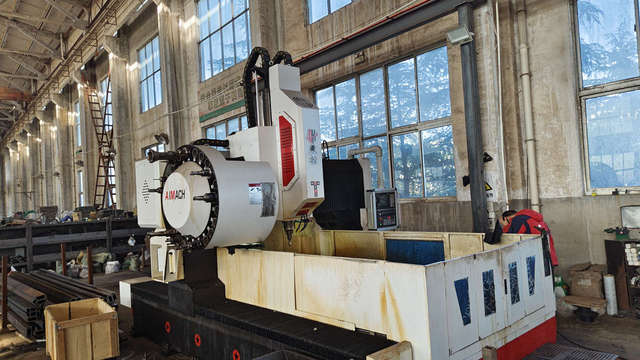
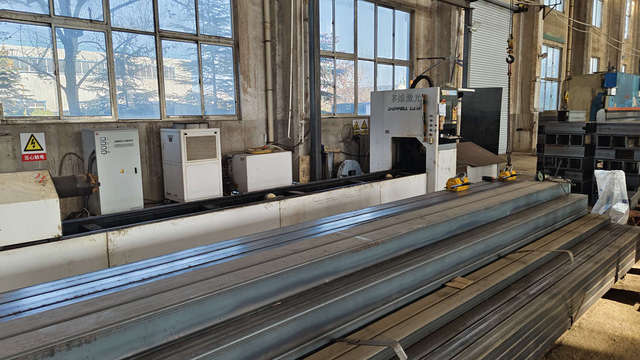
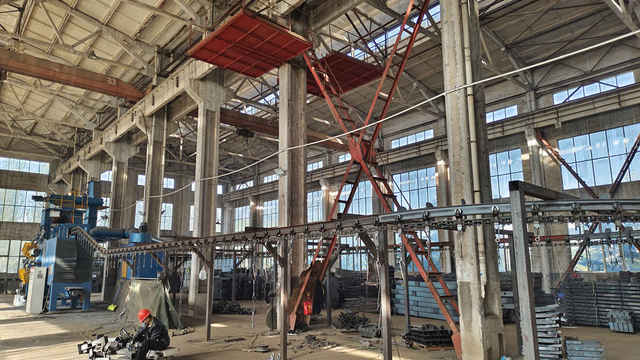
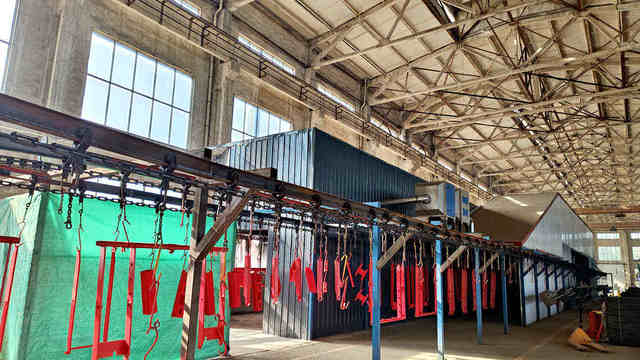
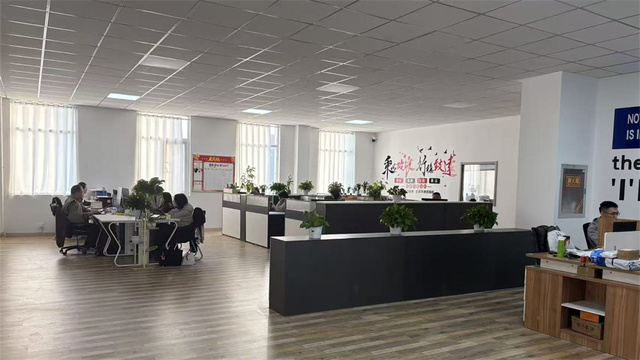
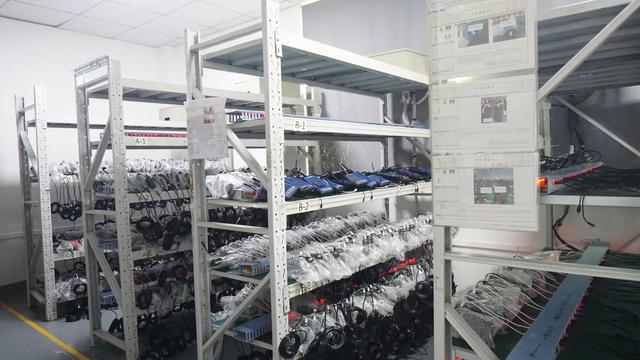
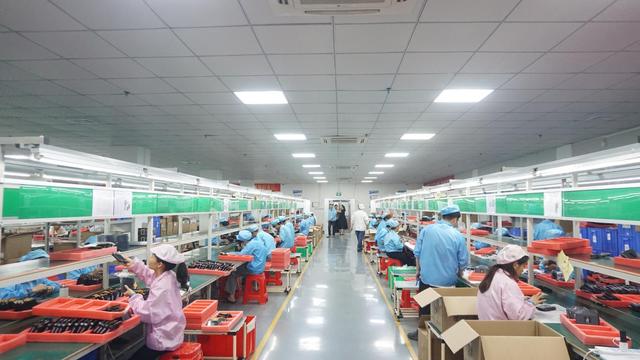
By maintaining raw material stock pools of critical microchips (including STMicroelectronics MCU chips, Realtek Bluetooth transceivers, and NXP CAN transceivers) in our climate-controlled warehouse, we insulate our global buyers from component shortages. Furthermore, our IATF 16949 audit status ensures that every manufacturing run follows automotive-grade validation processes—including temperature aging testing under full operational loads (-40°C to +85°C) to simulate high-temperature dashboard and engine bay deployment.
Ensuring compliance, documentation, and licensing requirements are completely covered.
For global enterprise buyers, purchasing custom electronics from China factories requires robust regulatory safeguards. Manata Scanner prioritizes full international compatibility. Our products undergo rigorous lab testing to comply with target market specifications, ensuring smooth customs clearance and liability protection:
Common technical and commercial questions answered by our engineering and sales experts.
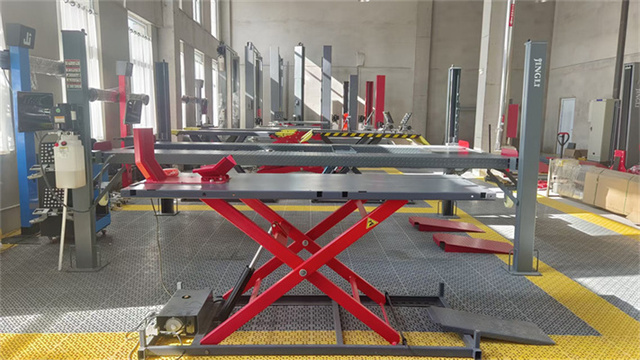
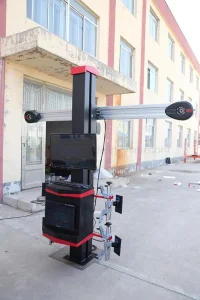
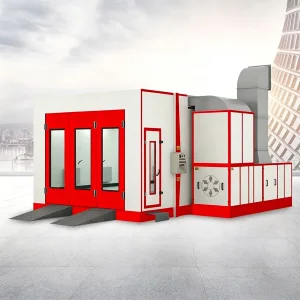
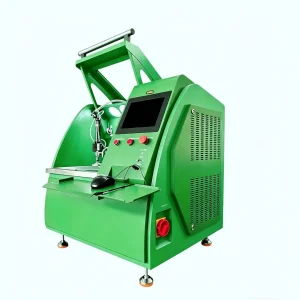
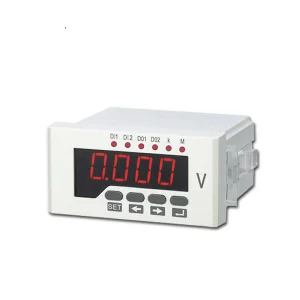
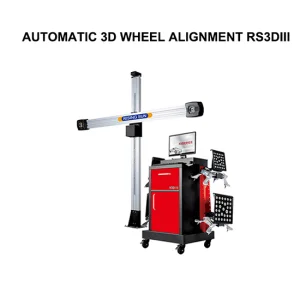
Complete workshop management equipment designed for maximum diagnostic precision and service versatility.
 Manata Scanner