Explore our cutting-edge vehicle scanning equipment, built to maximize performance, fleet diagnostics, and workshop output.
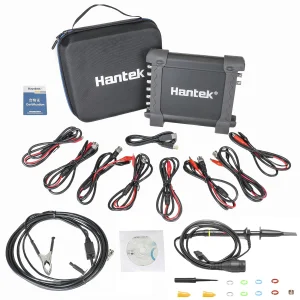
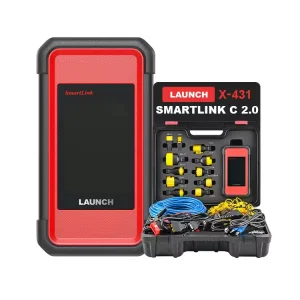
Analyzing technical, macroeconomic, and systemic trends shaping vehicle aftermarket telematics and cloud-linked diagnostics.
Modern commercial vehicle operators require uninterrupted telemetry. By utilizing CAN-bus integration, real-time 4G/5G data loggers transfer diagnostic codes (DTCs) and engine parameter streams directly to cloud servers, reducing workshop dwell times by up to 40%.
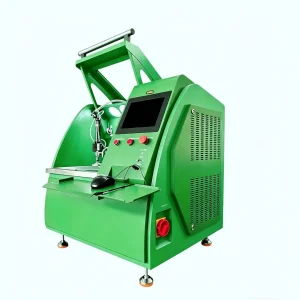
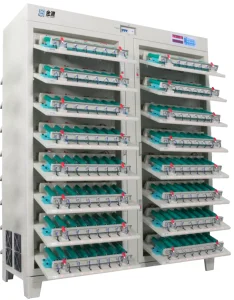
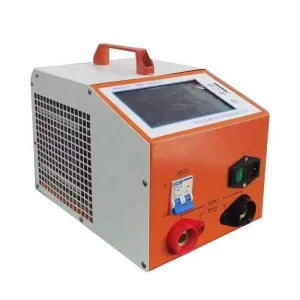
Traditional scan tools cannot support the complexity of electric vehicles. Factory grading and battery cycle equipment test internal resistance and capacity (up to 512 channels), allowing remanufacturers to optimize secondary cell sorting and module calibration.
Remote diagnostics demand highly secure connections. Using modern protocols like J2534, DoIP (Diagnostic over IP), and CAN-FD, diagnostic platforms prevent malicious vehicle network entry points, protecting data packets during sensitive remote ECU flashes.
The diagnostic tools landscape has evolved from simple code-clearing hand-held scanners into comprehensive, distributed ecosystem platforms. Commercial repair fleets, construction enterprise divisions, and agricultural machinery networks demand remote scanning solutions to mitigate high cost of transport and vehicle downtime.
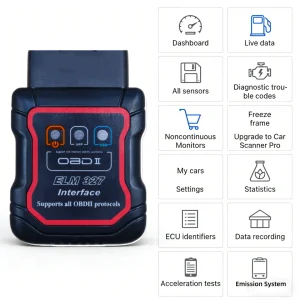
Furthermore, global importers require devices certified under strict regional guidelines (CE, FCC, RoHS). Integrating multi-protocol adapters (OBD2 Bluetooth, Wi-Fi, Ethernet) ensures compatible hardware architecture across mixed-model truck portfolios including Volvo, Caterpillar, Cummins, Scania, and Tata.
Leveraging deep industrial clusters in Shenzhen to deliver precision testing hardware with unparalleled speed-to-market.
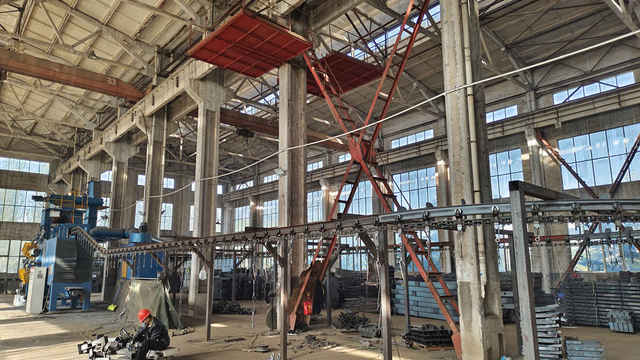
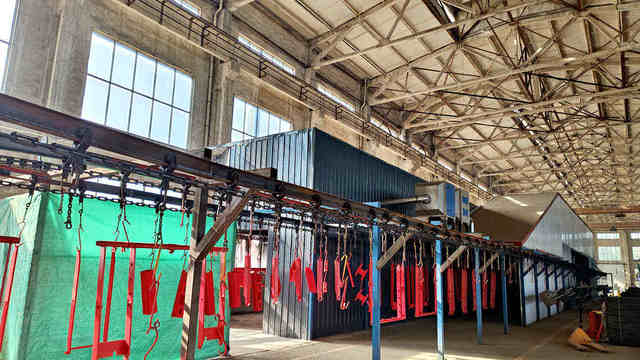
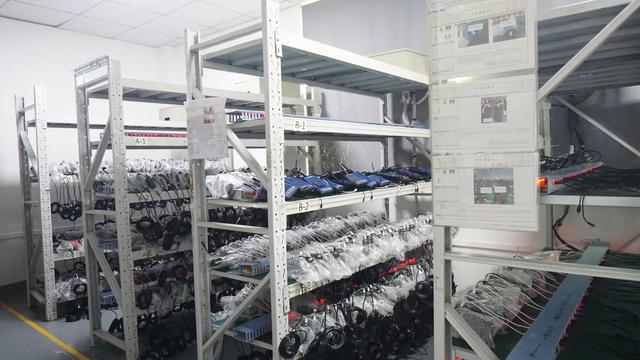
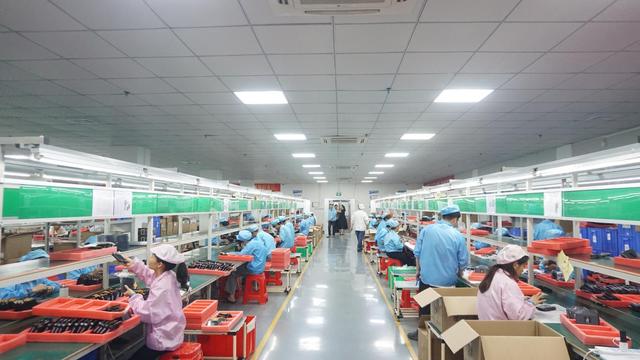
Operating out of Shenzhen's industrial core allows our manufacturing lines to scale rapidly. Our supply networks incorporate advanced chip-on-board (COB) production lines, SMT precision mounting, and automated calibration chambers that match ISO 9001:2015 specifications.
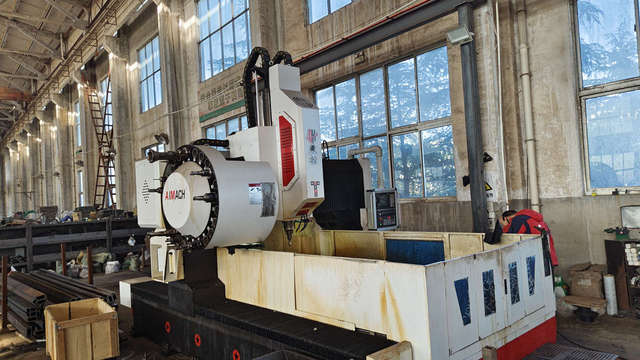
Every scanner model is subjected to rigorous testing procedures before global export. Using direct optical spectrometers, environmental testers, and battery cycle equipment, we audit hardware structures to guarantee maximum longevity and zero system-level failures during on-site fleet evaluations.
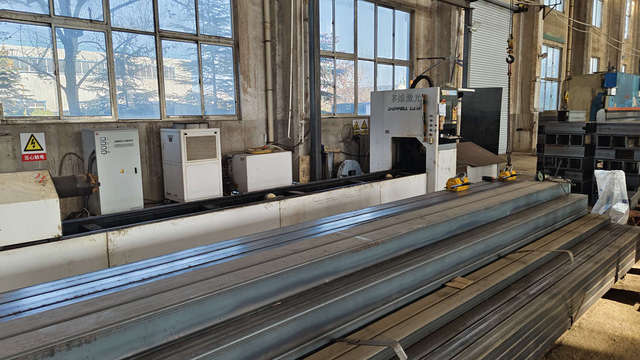
How global industries, workshops, and transit networks utilize remote diagnostic architectures to secure efficient logistics.
A logistics company operating across Europe integrated the Smartlink C remote system into their fleet. By diagnosing J1939 fault codes remotely on Scania and Iveco trucks without returning vehicles to the primary hub, the fleet achieved a 12% improvement in overall route punctuality and minimized diagnostic detours.
Independent multi-brand workshops in North America rely on remote-supported diagnostic tools to bypass costly proprietary OEM subscriptions. Staff can query engine systems on Caterpillar or Cummins tractors via remote diagnostic gateways, linking on-site mechanics with global master technicians.
Faced with high volumes of decommissioned electric vehicle batteries, recycling facilities deploy high-precision 512-channel cell testers. The automated process determines individual battery capacity, grading elements for repurposing into energy storage stations or backup systems.
Global Center for Advanced Diagnostic System Integration
Shenzhen Manata Scanner Co., Ltd. is a leading China automotive diagnostic equipment manufacturer specializing in advanced vehicle inspection systems and ECU diagnostic solutions for the global automotive aftermarket. With a strong commitment to innovation, quality, and intelligent vehicle servicing, Manata Scanner delivers reliable diagnostic technologies designed to improve maintenance efficiency, reduce downtime, and support modern workshop operations.
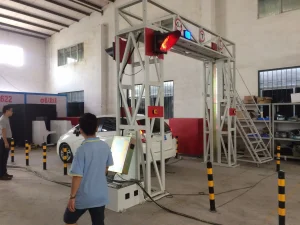
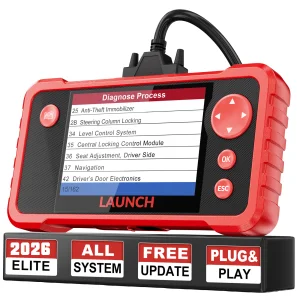
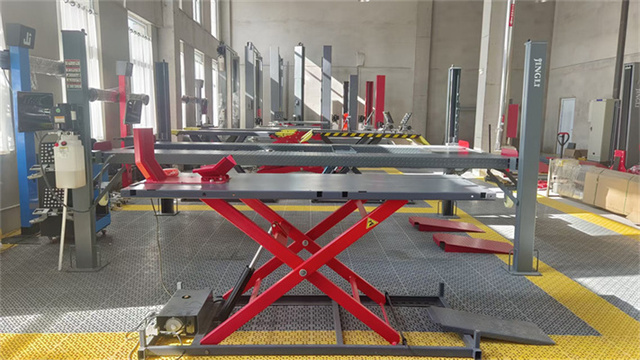
The company offers a comprehensive portfolio of automotive diagnostic equipment, including vehicle inspection systems, ECU programming and coding tools, automotive scan tools, ADAS calibration equipment, EV battery diagnostic systems, TPMS diagnostic devices, and intelligent fleet diagnostic solutions. These products are widely used by automotive repair workshops, vehicle inspection centers, dealerships, fleet operators, and maintenance service providers worldwide.
Driven by continuous technological innovation, Shenzhen Manata Scanner Co., Ltd. integrates artificial intelligence, cloud connectivity, big data analysis, and advanced electronic testing technologies into its product development process. The company's R&D team focuses on creating intelligent, accurate, and user-friendly diagnostic solutions capable of meeting the evolving requirements of both conventional and new energy vehicles.
Quality is at the core of Manata Scanner's manufacturing philosophy. The company implements strict quality management procedures throughout design, production, testing, and final inspection to ensure stable performance and long-term reliability. Its products are engineered to comply with international standards and are exported to customers across Europe, North America, South America, Southeast Asia, the Middle East, and other global markets.
Committed to becoming a trusted global partner in automotive diagnostics, Shenzhen Manata Scanner Co., Ltd. continues to provide innovative products, professional technical support, and customized solutions that help customers enhance service capabilities and operational efficiency.
Detailed explanations regarding interface architecture, communication protocols, and operational workflows.
Remote diagnostic platforms use localized buffer systems to mitigate packet drops. During ECU programming or flashing via DoIP/J2534, files are downloaded to the tool’s local flash memory before execution. The local processor manages the timing requirements of protocols like UDS (Unified Diagnostic Services) on the CAN bus, preventing ECU bricking due to network dropouts.
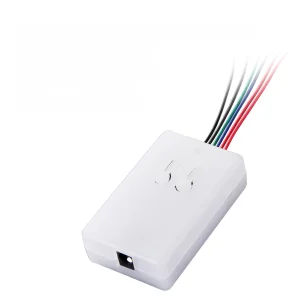
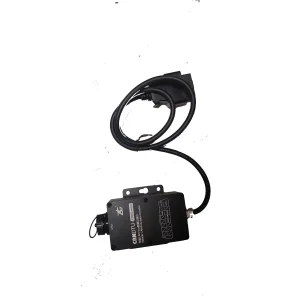
Traditional logging devices require manual removal and analysis. 4G/WiFi loggers (like our 4G Waterproof Data Logging range) continuously stream system data using encrypted queues. These devices utilize a standby buffer memory to protect data when cellular signals drop, uploading the backlog as soon as connection is restored.
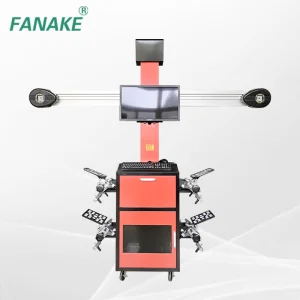
After physical ADAS sensor or camera alignment, the vehicle’s ECU must enter target teaching mode. Our diagnostic tools interface directly with ADAS targets to write updated positional coefficients to the ECU. This integration ensures correct ADAS operation alongside radar, camera, and safety systems.
Decommissioned EV battery packs contain thousands of working individual cells. Checking cells in series or broad packs fails to isolate degraded cells. A high-density 512-channel capacity tester cycles every cell independently, monitoring charge/discharge curves, internal resistance (AC IR), and thermal limits to sort cells for secondary battery storage systems.
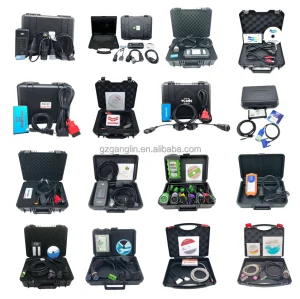
Explore our industrial range of diagnostic tools, optical spectrometers, and heavy-duty vehicle testers.
 Manata Scanner