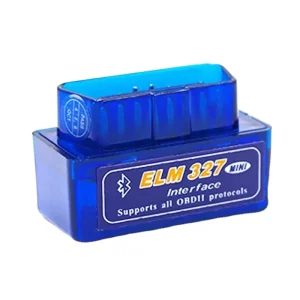
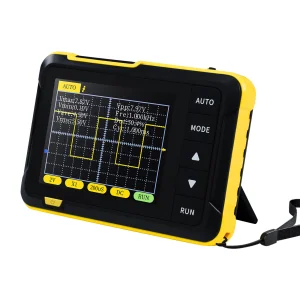
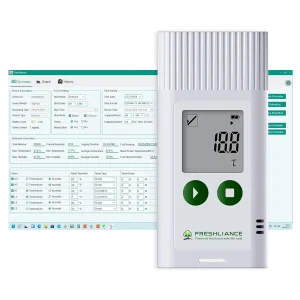
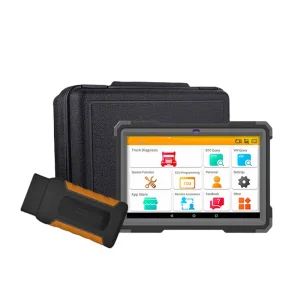
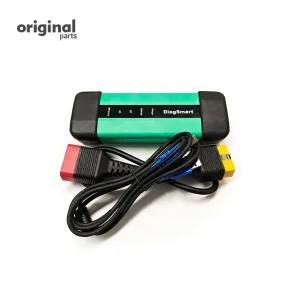
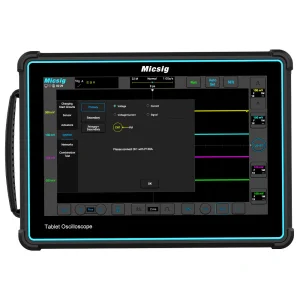
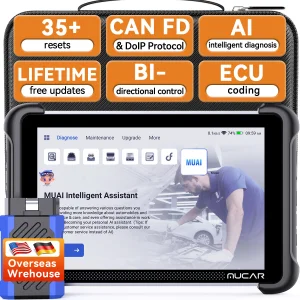
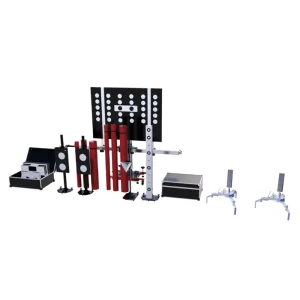
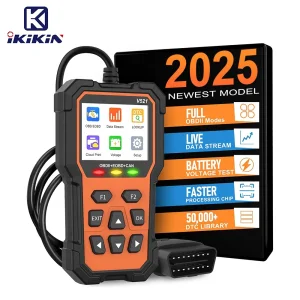
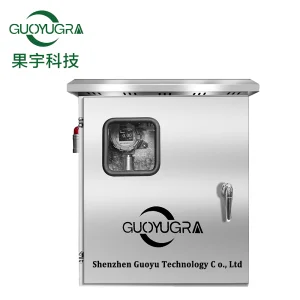
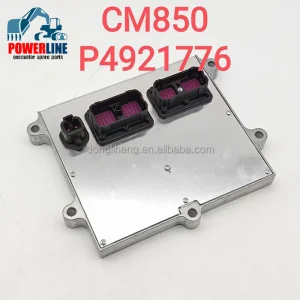
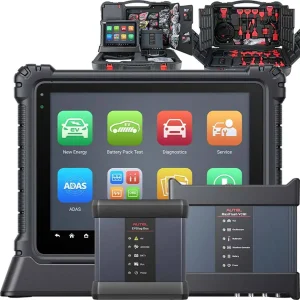
Direct access to our advanced vehicle diagnostics and calibration lineup, designed for global workshops, fleet operations, and diagnostic centers.
As the global automotive industry moves rapidly toward Software-Defined Vehicles (SDVs), electric drivetrains, and Autonomous Driving Systems (ADAS), the demand for high-frequency, reliable automotive data logging tools has surged to unprecedented levels.
Historically, automotive diagnostics served primarily for post-fault analysis—helping mechanical workshops read diagnostic trouble codes (DTCs) after a system failure. Today, automotive data logging is a critical telemetry link. From monitoring the ambient temperatures of pharmaceutical fleet transports to validating advanced driver-assistance radars and analyzing high-voltage EV battery cells, automotive loggers act as the nervous system of modern industrial transportation.
In the context of modern engineering, automotive data logging relies on capture speeds reaching millisecond intervals across multiple vehicular networks, including Controller Area Network (CAN), CAN FD, Local Interconnect Network (LIN), and Automotive Ethernet. Exporters of these tools must deliver robust, versatile systems that support global standards such as SAE J1939 for commercial vehicles and UDS (Unified Diagnostic Services - ISO 14229) for standard passenger vehicles.
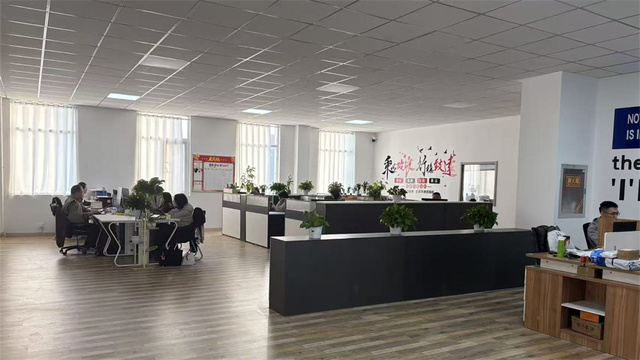
China's manufacturing sector has evolved from component assembly to high-precision, software-integrated electronic design. Here is how Shenzhen Manata Scanner Co., Ltd. leads in design, production, and cost-efficiency.
Located in Shenzhen, the silicon heart of hardware manufacturing, Manata Scanner leverages immediate access to advanced processors, microcontrollers, and high-frequency RF modules. This localized density reduces prototyping cycles from months to days, allowing quick updates in response to emerging vehicular protocols.
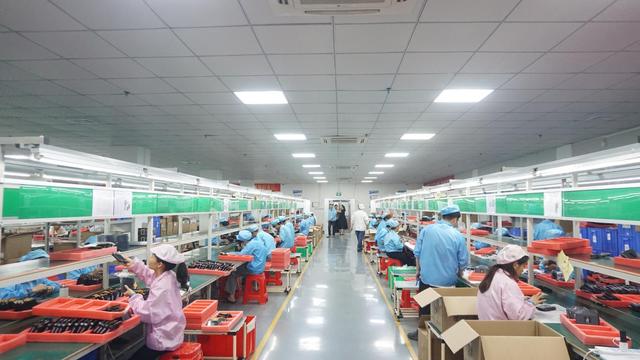
Every piece of diagnostic hardware undergoes rigorous validation testing. From environmental chamber simulations (testing temperature endurance from -40°C to +85°C) to electromagnetic compatibility (EMC) testing, our systems are built to withstand high vibration and voltage spikes common in commercial vehicles.
With software playing a primary role in modern diagnostics, our R&D team integrates advanced AI capabilities, cloud sync systems, and real-time protocol interpreters into our vehicle interface adapters, ensuring compatibility with both Legacy combustion and New Energy Vehicles (NEVs).
Shenzhen Manata Scanner Co., Ltd. is a leading China automotive diagnostic equipment manufacturer specializing in advanced vehicle inspection systems and ECU diagnostic solutions for the global automotive aftermarket. With a strong commitment to innovation, quality, and intelligent vehicle servicing, Manata Scanner delivers reliable diagnostic technologies designed to improve maintenance efficiency, reduce downtime, and support modern workshop operations.
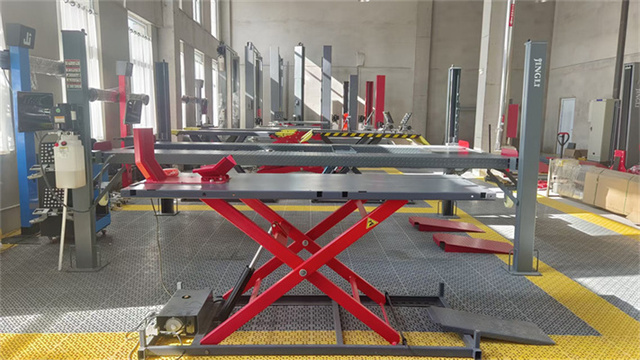
The company offers a comprehensive portfolio of automotive diagnostic equipment, including vehicle inspection systems, ECU programming and coding tools, automotive scan tools, ADAS calibration equipment, EV battery diagnostic systems, TPMS diagnostic devices, and intelligent fleet diagnostic solutions. These products are widely used by automotive repair workshops, vehicle inspection centers, dealerships, fleet operators, and maintenance service providers worldwide.
Driven by continuous technological innovation, Shenzhen Manata Scanner Co., Ltd. integrates artificial intelligence, cloud connectivity, big data analysis, and advanced electronic testing technologies into its product development process. The company's R&D team focuses on creating intelligent, accurate, and user-friendly diagnostic solutions capable of meeting the evolving requirements of both conventional and new energy vehicles.
Quality is at the core of Manata Scanner's manufacturing philosophy. The company implements strict quality management procedures throughout design, production, testing, and final inspection to ensure stable performance and long-term reliability. Its products are engineered to comply with international standards and are exported to customers across Europe, North America, South America, Southeast Asia, the Middle East, and other global markets.
Committed to becoming a trusted global partner in automotive diagnostics, Shenzhen Manata Scanner Co., Ltd. continues to provide innovative products, professional technical support, and customized solutions that help customers enhance service capabilities and operational efficiency.
Automotive data logging goes far beyond simple vehicle diagnostic trouble codes. The application scope covers a variety of commercial and industrial situations globally.
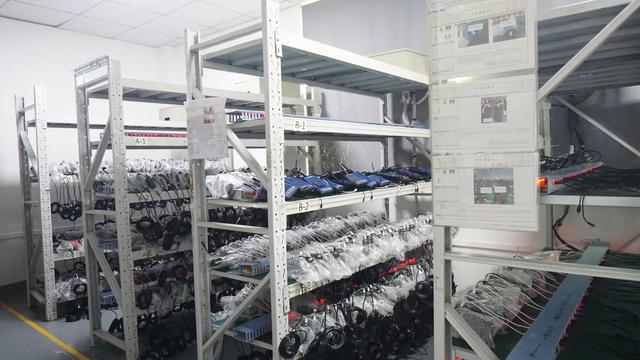
Utilizing tools like our Waterproof USB Data Logger, fleet managers keep trace of ambient temp storage conditions of pharmaceuticals, fresh groceries, and chemical components. Live tracking mitigates product spoilage and satisfies regulatory compliance standards.
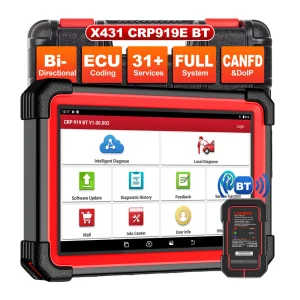
Complex ECUs require dynamic flashing to adjust performance profiles, optimize emissions parameters, or download updated maps. Devices like the HRXY Truck Diagnostic Tool and LAUNCH X431 line facilitate direct, secure gateway interaction over Ethernet and CAN protocols.
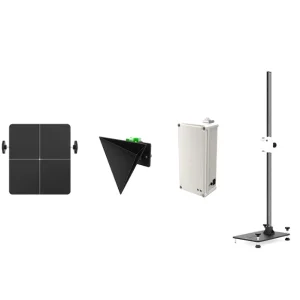
With vehicles adopting automated emergency braking and active cruise control, ADAS radar calibration toolkits are vital to ensure doppler arrays, corner reflectors, and front camera systems are geometrically aligned with the vehicle’s thrust line.
Explore our collection of heavy-duty engine interfaces, multi-channel oscilloscopes, EV battery analyzers, and specialized gas emission monitors.
Keeping ahead of the technology curve is crucial for vehicle service platforms. We monitor and implement several key global developments.
Traditional CAN buses are being supplemented by Diagnostics over IP (DoIP), which runs up to 100 times faster. Modern tools like the HRXY Diagnostic Tool incorporate RJ45 or high-speed Wi-Fi telemetry protocols, enabling remote ECU programming across continents without signal dropouts.
With electric vehicle adoption growing rapidly, checking state-of-health (SoH) at the module level is critical. High-voltage diagnostic scanners now verify cell voltage balance, thermistor accuracy, and internal resistance without dismantling the battery packs, minimizing workshop hazards.
Edge-enabled data loggers process raw CAN data on-device to log only anomalies or designated PIDs, reducing storage space. The system then uploads this filtered telemetry to cloud databases, enabling real-time predictive maintenance metrics for fleet coordinators.
Selecting an industrial-grade exporter requires careful verification of specifications, regulatory compliance, and support systems.
For B2B buyers, fleet procurement leads, and automotive tool distributors, purchasing telemetry hardware is a significant capital investment. To ensure operational compatibility and reliable deployment, buyers should verify the following capabilities:
Clear answers regarding compatibility, standards, and import logistics for global procurement professionals.
Our tools are designed to support a wide range of automotive protocols, including OBD-II (ISO 9141, ISO 14230, ISO 15765 CAN), CAN FD, SAE J1939 (for heavy-duty vehicles), and UDS (ISO 14229) for modern passenger vehicles, ensuring broad compatibility across manufacturers.
We implement a strict quality control workflow that includes raw component verification, PCB functional testing, thermal chamber testing (-40°C to +85°C), electromagnetic compatibility tests, and vehicle communication simulator tests prior to packaging and dispatch.
Yes. Many of our diagnostic interfaces feature Bluetooth, Wi-Fi, or LTE connectivity, allowing real-time data streaming and automated CSV/JSON file exports directly to secure cloud services for remote analysis and fleet management.
Yes, we provide comprehensive OEM/ODM solutions. We can customize diagnostic software, app interfaces, enclosure designs, and hardware specifications to meet specific fleet operations or workshop brand requirements.
We provide online technical support, user manuals, and setup documentation. Software and database updates are delivered over-the-air (OTA) or through download portals, keeping your tools updated with new model coverage.
 Manata Scanner