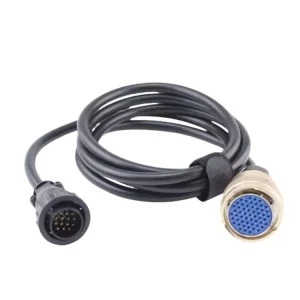
Enterprise-grade OBD-II scanners, intelligent telemetry loggers, and ECU program devices engineered for global commercial fleets and professional automotive workshops.
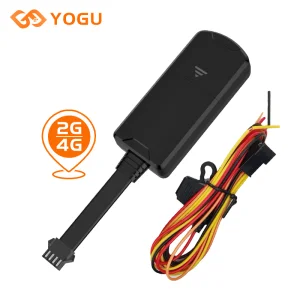
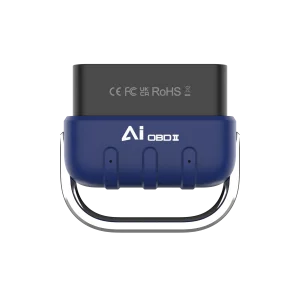
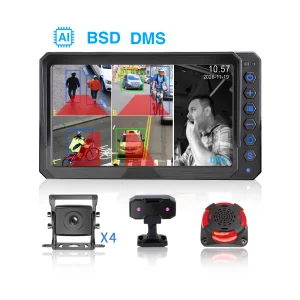
Strategic insights on how specialized OBD manufacturers, high-capacity factories, and tier-1 exporters are reshaping fleet service architectures.
Shenzhen Manata Scanner Co., Ltd. is a leading China automotive diagnostic equipment manufacturer specializing in advanced vehicle inspection systems and ECU diagnostic solutions for the global automotive aftermarket. Through state-of-the-art production environments, Manata Scanner delivers reliable diagnostic technologies designed to improve maintenance efficiency, reduce downtime, and support modern workshop operations.
Driven by continuous technological innovation, Shenzhen Manata Scanner Co., Ltd. integrates artificial intelligence, cloud connectivity, big data analysis, and advanced electronic testing technologies into its product development process. The company's R&D team focuses on creating intelligent, accurate, and user-friendly diagnostic solutions capable of meeting the evolving requirements of both conventional internal combustion engine (ICE) vehicles and new energy vehicles (NEVs).
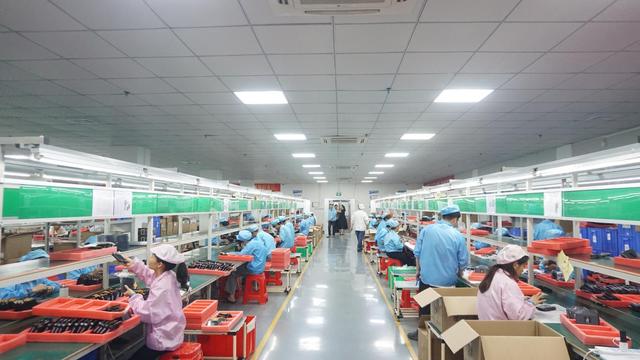
Quality is at the core of Manata Scanner's manufacturing philosophy. The company implements strict quality management procedures throughout design, production, testing, and final inspection to ensure stable performance and long-term reliability. Its products comply with international standards such as CE, FCC, RoHS, and IATF 16949, and are exported to customers across Europe, North America, South America, Southeast Asia, and the Middle East.
Key technological trends dominating the development of real-time diagnostic hardware and software systems globally.
As modern vehicles run on complex, high-bandwidth ethernet architectures, legacy OBD-II protocol bandwidth limits are being exceeded. Diagnostic hardware now integrates DoIP (Diagnostics over Internet Protocol) and CAN FD (Controller Area Network Flexible Data-rate) interfaces to facilitate fast ECU flashing, comprehensive system checks, and deep parameter reads.
Remote diagnostics allow technicians to read codes, program ECUs, and update software over-the-air (OTA) from thousands of miles away. Using Smartlink and VCI technology, workshops can handle advanced diagnostic cases without investing in expensive physical OEM tools, significantly lowering operational costs.
Electric vehicles present a new frontier. Diagnostic systems must analyze cell-level voltage imbalances, thermal behavior, state-of-health, and degradation anomalies of high-voltage battery packs. Dedicated EV diagnostic add-on kits and specialized test benches are now crucial requirements for tier-1 repair shops.
What enterprise buyers, fleet managers, and importers prioritize during diagnostic device selection.
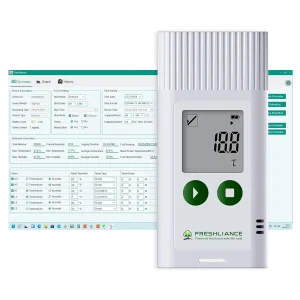
Real-time GPS loggers and onboard diagnostic units continuously collect location, driving behavior, and engine performance metrics. Exporters must ensure their devices employ advanced cryptographic security keys and that cloud backends comply with strict localized data laws (such as GDPR in Europe and CCPA in California).
Hardware deployed in logistics vehicles must withstand harsh operational environments. Waterproof designs, shockproof housings, and components rated for extreme temperature operating margins (-40°C to +85°C) are basic requisites for rugged fleet management trackers and testers.
An exporter's ability to offer multi-language firmware, quick localized application updates, and localized field-application-engineer support makes a significant difference. Enterprise networks cannot afford downtime caused by software compatibility issues on regional vehicle variants.
Providing comprehensive diagnostics beyond hand-held scanners for high-throughput testing centers.
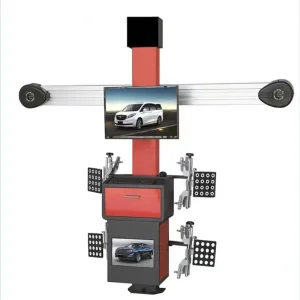
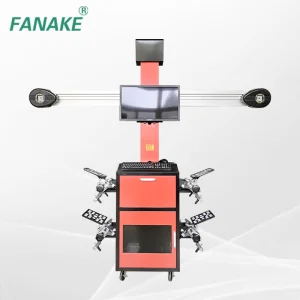
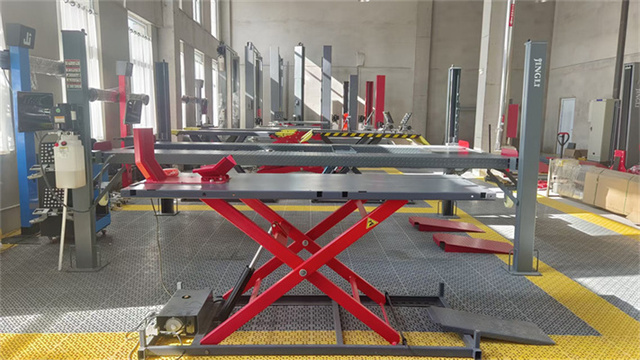
Precise mechanical geometry alignment is fundamental for modern ADAS sensors to read roads correctly. 3D wheel alignment machines, integrating high-definition camera arrays and computer vision software, ensure that physical steering geometries perfectly match target software parameters.
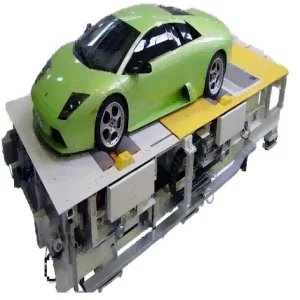
Speedometers, ABS sensors, and stability controllers require dynamic physical testing. Integrated steel test benches simulate road conditions under multi-axis independent control, allowing diagnostic software to benchmark real-time rotational readings under load safely.
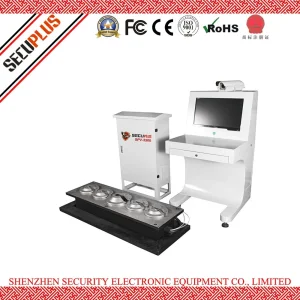
For security check-points and high-level vehicle diagnostic centers, physical inspection of a vehicle's undercarriage is crucial. UVSS systems capture high-resolution composite images to detect structural anomalies, physical tampering, or structural leaks in seconds.
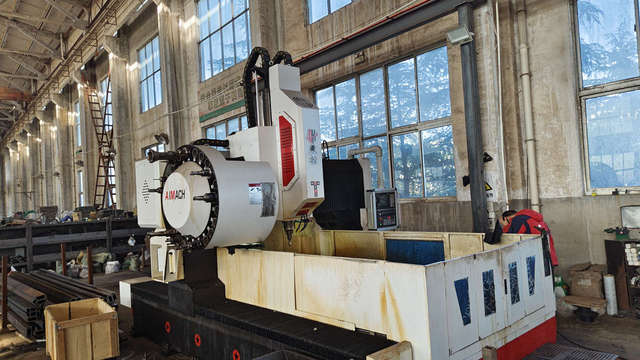
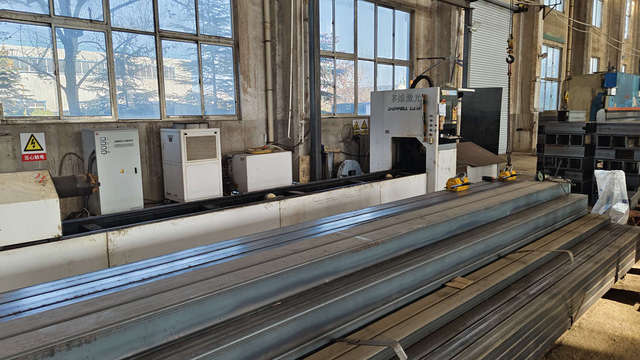
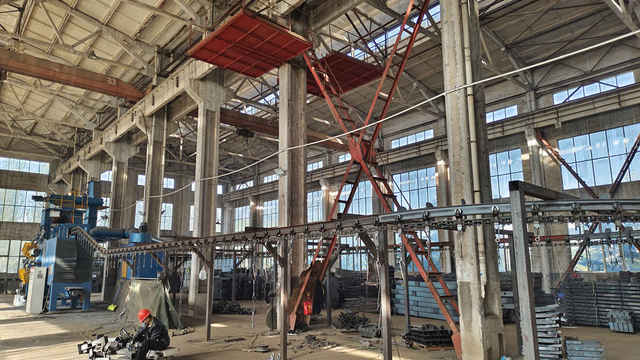
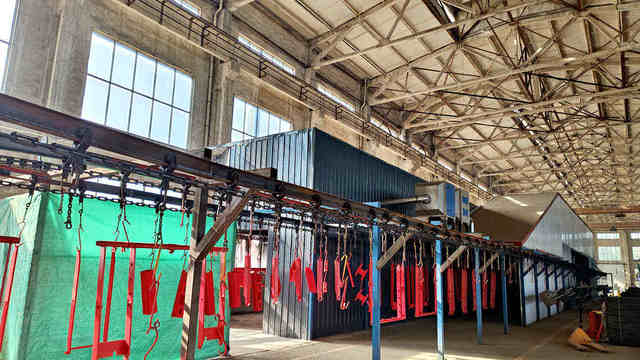
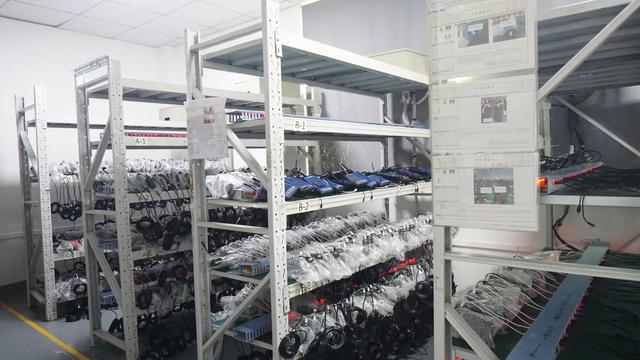
Inside the design and assembly facilities ensuring high-level QA testing before global exportation.

How Software-Defined Vehicles (SDVs) are altering structural architecture demands on diagnostic exporters.
Answers to critical questions regarding imports, compliance, protocols, and factory capabilities.
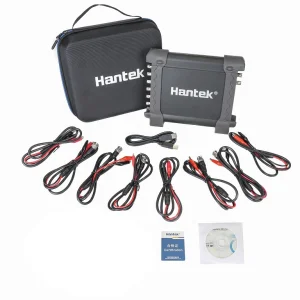
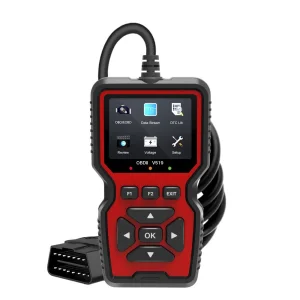
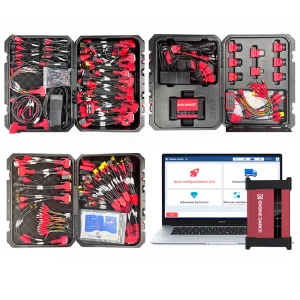
High-accuracy oscilloscopes, OBD2 code reader platforms, specialized truck diagnostic testers, and under-carriage inspection technology.
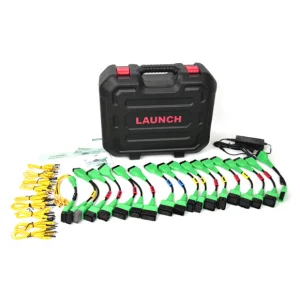
 Manata Scanner