The global automotive ecosystem is undergoing a swift and permanent transition toward electrification. Hybrid Electric Vehicles (HEVs) and Plug-in Hybrid Electric Vehicles (PHEVs) represent a unique set of challenges for maintenance, calibration, and diagnostics. Unlike conventional internal combustion engine (ICE) drivetrains, hybrid vehicles integrate dual-powertrain architectures that combine high-voltage battery storage, regenerative braking systems, complex power inverters, and sophisticated multi-domain Electronic Control Units (ECUs).
For fleet operators, multi-brand repair workshops, and distributors, deploying a highly integrated Hybrid Vehicle Diagnostic System is no longer optional—it is a critical capability. These systems require specialized software and hardware to handle high-voltage battery cell diagnostics, isolation test routines, thermal management loops, and bidirectional control tests. Choosing the right diagnostic OEM partner or factory exporter from technology hubs like Shenzhen, China, ensures access to rapid tool updates, cutting-edge protocol support, and robust hardware configurations.
"Hybrid diagnostics bridge the gap between heavy-duty electric isolation analysis and multi-protocol software interfaces. Success in modern workshop management relies entirely on real-time data transparency from the battery pack down to individual thermal management sensors."
Shenzhen Manata Scanner Co., Ltd. is positioned at the forefront of this industrial transformation. As a premier automotive diagnostic manufacturer and exporter, the company provides highly specialized solutions configured to support the complex, high-voltage vehicle systems of today and tomorrow.
Modern hybrid vehicle diagnostics have evolved far beyond basic OBD-II code readers. Today, diagnostic technology operates at the intersection of high-voltage safety engineering, cloud computing, and real-time sensor analytics. Here are the core developmental trends shaping the market:
As data bandwidth requirements skyrocket due to multiplexed hybrid powertrain networks, diagnostics systems have integrated Diagnostics over IP (DoIP) and Controller Area Network Flexible Data-Rate (CAN-FD) protocols to transfer mega-bytes of payload data in real-time.
Remote ECU programming and real-time cloud data sharing allow technicians to access advanced engineering-level diagnostics directly from production facilities, optimizing repair rates for complex vehicle systems.
High-voltage battery diagnostics require deep inspection of individual cell balance, internal temperature tracking, and accurate State of Health (SOH) evaluations to ensure thermal runaway prevention and safety longevity.
These shifting dynamics are driving global purchasing agents to focus on manufacturers that can provide dual-mode diagnostic suites. Scanners must be capable of handling legacy internal combustion protocols alongside newer electric-drivetrain communication interfaces. A platform that can cross-analyze data from both internal combustion and electrical systems prevents diagnostic missteps and optimizes diagnostic repair times.
For dynamic global automotive markets, localized engineering support and rigid regulatory compliance are essential features. Scanners must align with the specific regulatory frameworks of their target markets to prevent legal issues and maintain performance standards:
1. Regulatory & Standards Alignment: Every system deployed in international automotive spaces must adhere strictly to regional directives. In the European Union, CE, RoHS, and WEEE compliance are standard. For North American distribution, FCC certification, alongside compliance with SAE J2534 standards for ECU pass-thru programming, is non-negotiable. Furthermore, factories focusing on automotive systems must adhere to strict IATF 16949 automotive quality management systems.
2. OEM-Level Protocol Compliance: Modern hybrid diagnostic scanners must interface with vehicles using complex communication protocols. From DoIP to CAN-FD, UDS (Unified Diagnostic Services), and K-Line architectures, the scanner must support original vehicle protocols seamlessly to perform bi-directional tests and calibrations.
To bridge localized operation gaps, software packages deployed within diagnostic systems must support extensive localized translation services, including:
As the silicon capital of the world, Shenzhen houses an unmatched, vertically integrated electronic component and diagnostic system supply chain ecosystem. Factories like Shenzhen Manata Scanner Co., Ltd. leverage this geographic cluster to deliver technological and commercial advantages to global importers:
Direct access to primary microchip foundries, high-voltage relays, high-tolerance testing sensors, and ruggedized industrial tablets reduces sourcing lead times from months to weeks.
Equipped with specialized EMC (Electromagnetic Compatibility) chambers, temperature/humidity fluctuation systems, and vibration simulation tables to ensure component reliability.
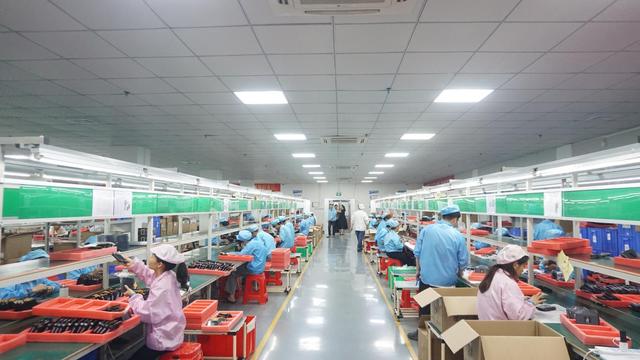
Highly automated SMD lines and experienced assembly teams allow for scalable production output. This helps optimize per-unit margins for volume wholesale distributors.
Furthermore, proximity to major international shipping hubs like the Port of Shenzhen and Hong Kong International Airport guarantees secure and expedited logistics routes. This ensures that customized batch orders reach European and American warehouses quickly.
When procurement directors and supply chain managers evaluate prospective factories, they look beyond unit pricing. They analyze specific performance vectors to ensure long-term equipment usability and workshop efficiency:
To understand the actual utility of these systems, we can examine how automotive technicians use them on a daily basis:
A hybrid vehicle experiencing reduced range is brought into the service bay. The technician connects the scanner to diagnostic lines using specialized EV/HV adapters. Interrogating the BMS directly, they identify an individual weak cell bank that exhibits a 350mV deviation from the pack average, initiating targeted replacement instead of replacing the entire pack.
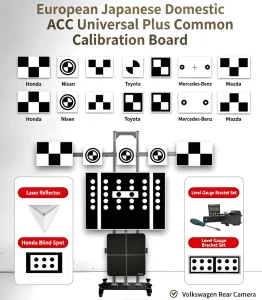
Following repairs to the hybrid vehicle's steering rack and front suspension, the active lane guidance systems require calibration. Using a foldable ADAS calibration target framework and the diagnostic tool, the system aligns the cameras with the physical road tracking parameters in under 15 minutes.
By integrating dedicated scanners into workshop diagnostic pipelines, operators can minimize diagnostic time. This translates to shorter bay occupancy times, higher daily turnover rates, and increased customer satisfaction.
Furthermore, offering high-voltage safety diagnostic reports builds customer trust. This trust is essential for vehicle owners when choosing an independent workshop for complex hybrid vehicle servicing over expensive dealership alternatives.
Here are direct answers to common questions about sourcing, importing, and using hybrid vehicle diagnostic systems.
Standard OBD-II tools read generic emissions codes. Hybrid vehicle diagnostic systems read specialized battery parameters (state of health, voltage deviation), high-voltage isolation resistance, inverter and thermal management systems, and bidirectional motor-generator controls. They require advanced hardware to connect safely to high-voltage electronics.
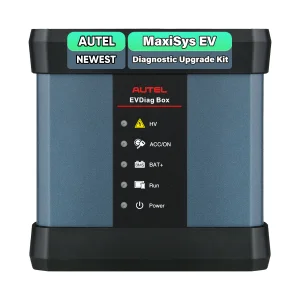
High-voltage diagnostic components, such as VCI modules and EVDiag boxes, must be designed to withstand high voltages. Look for products with CAT III or CAT IV protection ratings, CE certification, and components tested in accordance with international high-voltage handling standards to protect technicians from potential shock hazards.
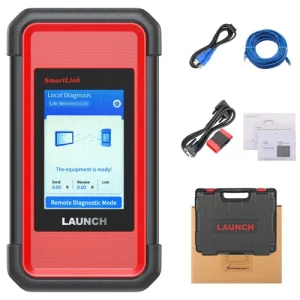
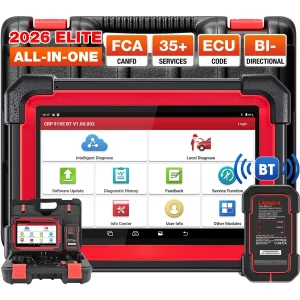
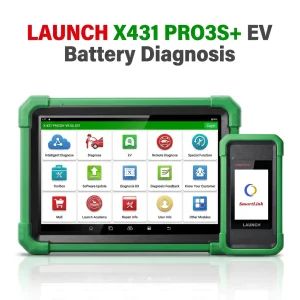
Yes, professional-grade diagnostic systems (such as the Launch X431 SmartLink or ECU programming interfaces) support J2534 standards. This compatibility allows workshops to perform OEM-level module reprogramming and software flashes by connecting the device directly to official OEM databases.
Importing directly from a Shenzhen manufacturer like Manata Scanner gives you access to local R&D innovation, cost-effective pricing, and customization services (OEM/ODM branding, software development). It also guarantees rapid access to firmware updates that patch new vehicle protocols as they are released.
Shenzhen Manata Scanner Co., Ltd. is a leading China automotive diagnostic equipment manufacturer specializing in advanced vehicle inspection systems and ECU diagnostic solutions for the global automotive aftermarket. With a strong commitment to innovation, quality, and intelligent vehicle servicing, Manata Scanner delivers reliable diagnostic technologies designed to improve maintenance efficiency, reduce downtime, and support modern workshop operations.
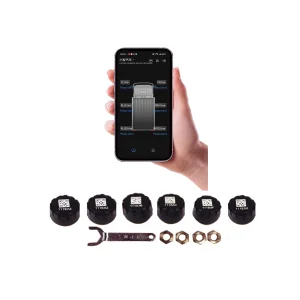
The company offers a comprehensive portfolio of automotive diagnostic equipment, including vehicle inspection systems, ECU programming and coding tools, automotive scan tools, ADAS calibration equipment, EV battery diagnostic systems, TPMS diagnostic devices, and intelligent fleet diagnostic solutions. These products are widely used by automotive repair workshops, vehicle inspection centers, dealerships, fleet operators, and maintenance service providers worldwide.
Driven by continuous technological innovation, Shenzhen Manata Scanner Co., Ltd. integrates artificial intelligence, cloud connectivity, big data analysis, and advanced electronic testing technologies into its product development process. The company's R&D team focuses on creating intelligent, accurate, and user-friendly diagnostic solutions capable of meeting the evolving requirements of both conventional and new energy vehicles.
Quality is at the core of Manata Scanner's manufacturing philosophy. The company implements strict quality management procedures throughout design, production, testing, and final inspection to ensure stable performance and long-term reliability. Its products are engineered to comply with international standards and are exported to customers across Europe, North America, South America, Southeast Asia, the Middle East, and other global markets.
Committed to becoming a trusted global partner in automotive diagnostics, Shenzhen Manata Scanner Co., Ltd. continues to provide innovative products, professional technical support, and customized solutions that help customers enhance service capabilities and operational efficiency.
 Manata Scanner