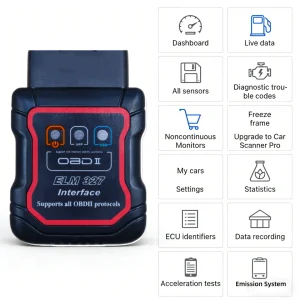
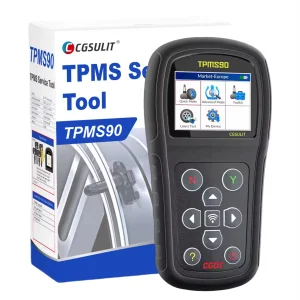
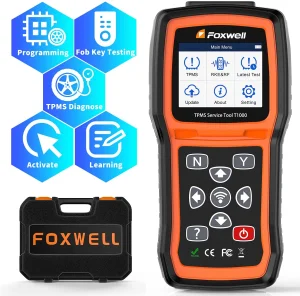
Explore high-performance automotive testing equipment engineered for global distribution and precision workshop operations.
The global automotive industry is undergoing a structural transition. Modern vehicles have evolved from mechanical systems with auxiliary electrical components into software-defined, sensor-rich environments. According to automotive intelligence reports, a luxury modern vehicle or a smart Electric Vehicle (EV) contains between 100 and 300 active sensors. These sensors control everything from Advanced Driver Assistance Systems (ADAS), battery health (BMS), and thermal systems to cabin air quality, throttle position, and emissions.
Consequently, the demand for high-precision automotive sensor test devices has surged. Testing equipment is no longer limited to simple handheld code readers. Advanced factories must now develop and manufacture high-fidelity diagnostic ecosystems capable of processing high-frequency data protocols, such as Controller Area Network with Flexible Data-Rate (CAN-FD), Ethernet-based Diagnostics over IP (DoIP), and Local Interconnect Networks (LIN). Global compliance and performance require test device manufacturers to maintain rigorous calibration standards that align with vehicle safety systems (like ISO 26262 ASIL ratings).
The automotive aftermarket and industrial testing hubs face a dual-platform challenge. They must maintain legacy internal combustion engine (ICE) calibration equipment while simultaneously adopting high-voltage new energy vehicle (NEV) diagnostic architectures. Top diagnostic factories address this demand by providing comprehensive, cross-platform industrial solutions:
Modern testing platforms integrate J2534, DoIP, and CAN-FD hardware parameters, ensuring that testers can flash ECUs on both hybrid and fully electric platforms without auxiliary signal converters.
Advanced diagnostic boards simulate realistic automotive sensor waveforms (e.g., oxygen sensors, hall effect crankshaft sensors, wheel speed sensors) to test ECU responsiveness under simulated load anomalies.
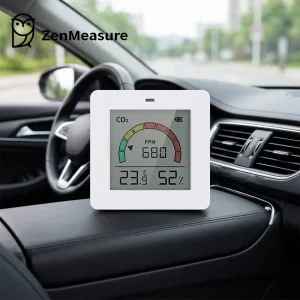
Integrating environmental parameters, such as localized CO2 monitoring or HVAC diagnostic sensor readings, to ensure full passenger cabin safety alongside battery pack thermal management validation.
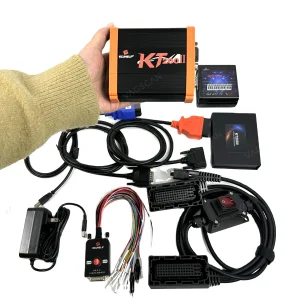
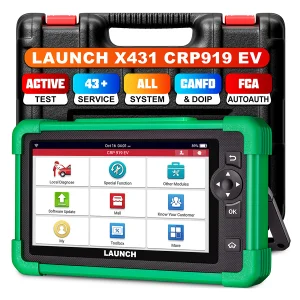
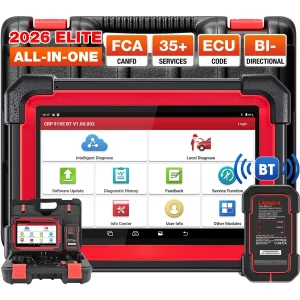
For instance, systems like the LAUNCH CRP919 EV or the KT200 II ECU Programmer showcase how test hardware must operate as complex computing nodes. Rather than merely scanning error codes, they execute real-time reading, writing, and chip-tuning protocols. This requires highly robust physical circuit designs, high-speed RAM, and advanced firmware safety nets to prevent control unit corruption during low-voltage drops.
The manufacturing of automotive sensor testers is concentrated in major industrial hubs. The current ecosystem is characterized by specialized clusters:
When procurement managers search for a sensor test devices factory, they must evaluate the factory's vertical integration capability. A top-tier factory possesses independent CNC tooling, high-precision calibration labs (maintaining NIST or equivalent national standards), cleanrooms for sensitive sensor assembly, and dedicated software engineering teams to publish regular car model update patches.
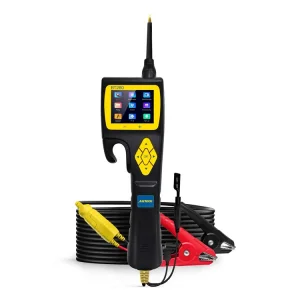
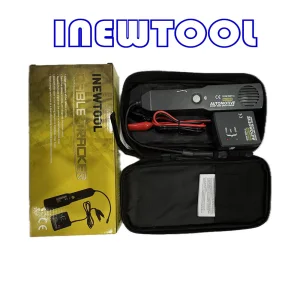
Information Gain: What separates top-tier diagnostic hardware from generic alternatives is the quality of their internal circuitry. High-quality circuit testers (e.g., AUTOOL BT280) feature isolated pathways and heavy-duty over-current protection mechanisms. These prevent voltage spikes from travelling back into the vehicle's central ECU, protecting expensive control modules from accidental damage during diagnostic procedures.
A premier representative of Chinese engineering excellence is Shenzhen Manata Scanner Co., Ltd. As a specialized manufacturer of automotive diagnostic equipment, the company focuses on the global automotive aftermarket.
Manata Scanner's production model shows how modern factories must adapt to changing market requirements. Their portfolio covers vehicle inspection systems, ECU tuning tools, ADAS calibration stations, EV battery diagnostic testers, TPMS diagnostic systems, and fleet diagnostic setups.
By integrating Artificial Intelligence (AI), cloud data structures, and high-frequency wave analysis, Manata Scanner helps service networks bridge the gap between traditional mechanical repairs and software-driven system optimization.
| Equipment Category | Primary Industrial Interface | Key Testing Parameters Evaluated | Target Sector Application |
|---|---|---|---|
| ECU Programmer | KT200 II / OBD-II / Bench / Boot | Microcontroller flashing, EEPROM data reading, checksum correction | Chiptuning workshops & component replacement centers |
| EV Battery Diagnostic Tool | CRP919 EV / J2534 Interface | State of Health (SOH), cell voltage deviation, thermal sensor status | NEV service centers & recycling facilities |
| Smart Circuit Testers | BT280 / Smart Probe Tip | Active voltage injection, ground testing, oscilloscope frequency tracking | Electrical repair shops & mobile diagnostics |
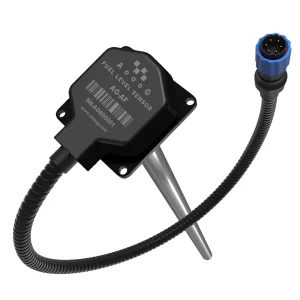
| Fuel Sensor / Telematics | Ultrasonic / High-Protection Probe | Liquid level measurement, telemetry integration, fuel theft alerts | Logistics fleets & generator management |
Automotive diagnostic equipment must operate reliably under diverse global environmental conditions. High-precision sensor verification tools are deployed across several common operational scenarios:
In harsh regions like Northern Europe or North America, fleet operators face challenges with paraffin precipitation in diesel fuel. This issue can cause sensor errors in standard fuel probes. Heavy-duty fuel sensors with integrated temperature compensation allow fleet telematics systems to monitor fuel levels accurately without sensor drift. This design helps prevent diesel fuel theft and ensures reliable operations.
Urban workshops service a wide range of vehicles, from standard passenger cars to commercial trucks and agricultural machinery. Technicians require universal ECU programmers like the KT200 II, which can read and write data from diverse control units (including tractors, excavators, and passenger vehicles) on a single platform. This reduces the need for multiple proprietary tools.
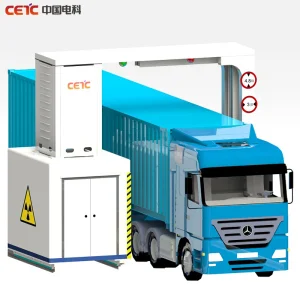
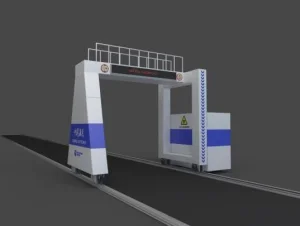
At international borders and container terminals, security teams must inspect cargo and large vehicles quickly. Large-scale X-ray container inspection systems scan trailer structures dynamically. This process identifies contraband or cargo discrepancies without requiring manual unloading, helping maintain border safety and efficiency.
Purchasing automotive diagnostic equipment requires careful attention to compliance certifications and localized support. Because these devices interact directly with the vehicle's electronic system, they must meet strict international standards:
Leading manufacturers provide comprehensive support, including 1-to-2-year warranties, regular cloud-based software updates, and responsive technical assistance. These services ensure workshop tools remain compatible with new vehicle models and software protocols as they enter the market.
The automotive testing industry is evolving rapidly to keep pace with new vehicle technologies. Industry data suggests several key trends will shape the next generation of diagnostics:
Discover advanced programming, tuning, and scanning systems for comprehensive workshop maintenance.
Technical insights to assist in selecting and deploying high-precision automotive diagnostic equipment.
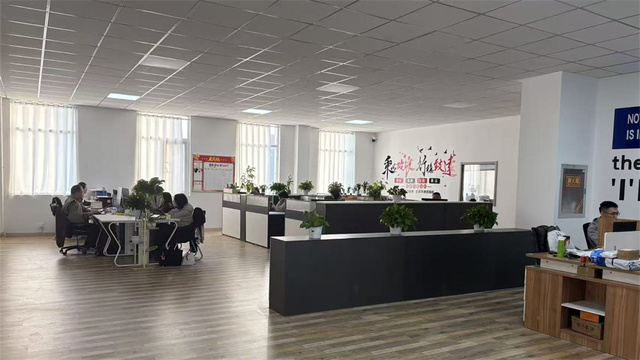
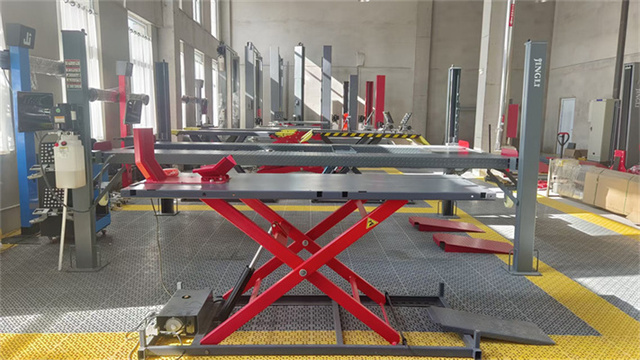
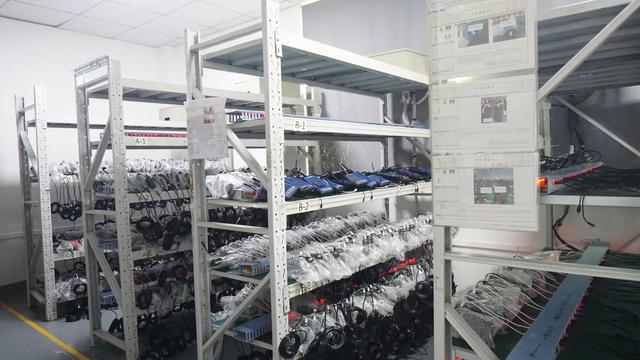
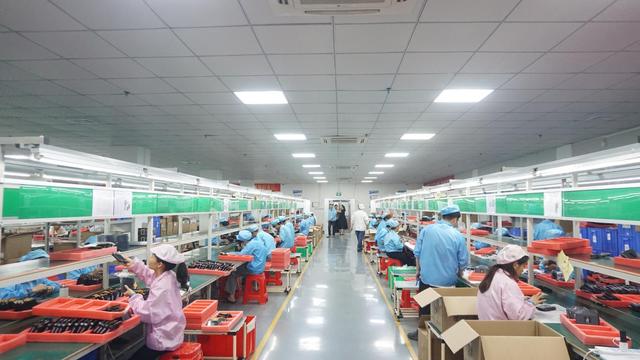
Inside the production facility: assembly lines, quality control, and testing laboratories.
 Manata Scanner