Explore our core engineering lineup of diagnostic instruments, metal optical emission spectrometers, and ADAS target systems customized for global exporters.
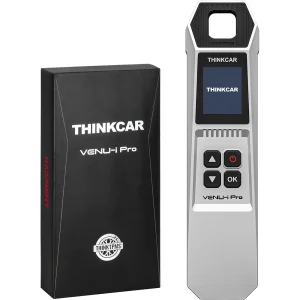
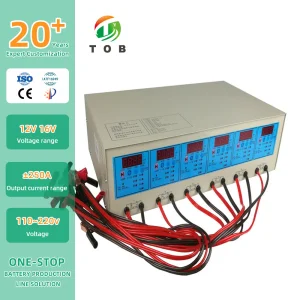
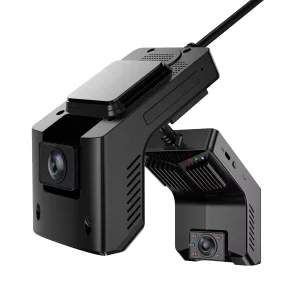
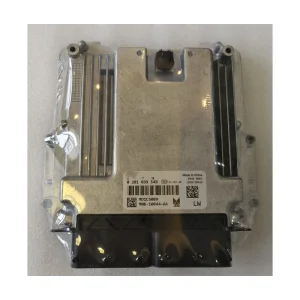
Whitepaper insight into the evolving metrics of traction battery inspection, safety validation, and second-life evaluation.
As the global automotive landscape rapidly transitions toward absolute electrification, the demands placed upon EV Battery Analyzers have shifted from simple voltage checking to high-voltage, cell-level electrochemical assessments. EV battery systems represent approximately 40% of the total vehicle value, making their diagnostic lifecycle management critical for automotive repair centers, insurance adjusters, fleet operations, and recycling facilities. Today's industrial-grade analyzers must measure not only State of Charge (SOC) but also State of Health (SOH), State of Safety (SOS), and Electrochemical Impedance Spectroscopy (EIS).
Modern testing platforms inject wide-frequency AC signals to measure impedance vectors. This discovers microscopic dendrite growth, internal resistance changes, and active material degradation without damaging the pack's chemical stability.
By mapping thermal propagation risks against current discharge spikes, modern battery analyzers predict potential hot-spots and internal short circuits before they cause catastrophic thermal runaway events.
Rapid capacity screening of retired pack modules determines whether cells can be repurposed for Battery Energy Storage Systems (BESS) or redirected directly to raw material recycling facilities.
Addressing the procurement pain points of OEMs, system integrators, and heavy-duty importers.
Procuring industrial battery diagnostic platforms requires careful alignment with international standards and strict electrical guidelines. Importers face multi-layered challenges, including dynamic EV battery chemistries (LFP, NMC, Solid-State), complex BMS communication protocols, and safety compliance certifications like CE, UL, and RoHS.
With thousands of proprietary Battery Management System (BMS) configurations, global buyers need adapters and software capable of decoding dynamic CAN, LIN, and FlexRay protocols automatically.
Automated test benches require flexible OEM customization including high-power electronic loads, custom cabinet dimensions, and localized UI controls to match production line footprints.
Exporters must guarantee compliance with regional safety codes (e.g., UL 2580 for electric vehicle batteries and IEC 62619 for industrial applications) to bypass customs and guarantee operational safety.
End-to-End lifecycle support utilizing advanced digital models and smart cloud systems.
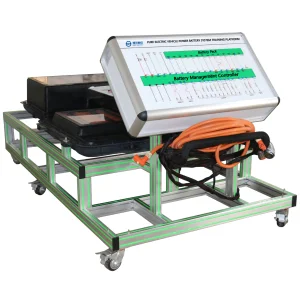
During pack assembly, End-Of-Line (EOL) battery testing systems perform high-voltage isolation checks, structural insulation tests, dynamic pulse discharges, and BMS verification. This ensures that every battery module conforms to target performance specifications before installation.
For large fleet logistics operators and commercial transport networks, continuous fleet diagnostics predict pack failures. Our analyzers work with fleet management software platforms to monitor aging profiles and identify degradation markers.
Determining the value of used electric vehicles relies on certified battery health evaluations. Our rapid SOH analyzers provide transparent reports used by dealerships, auction houses, and insurers to gauge residual battery asset value.
A trusted global partner in advanced vehicle inspection, diagnostic technologies, and EV battery testing.
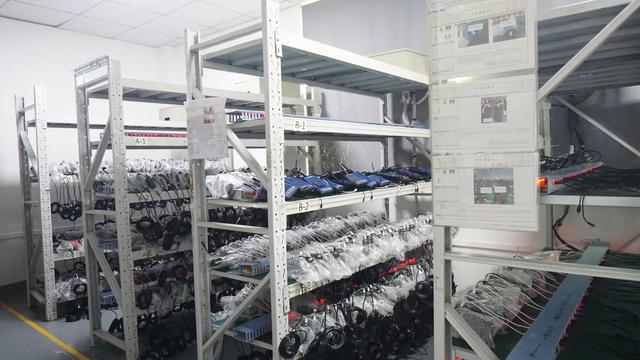
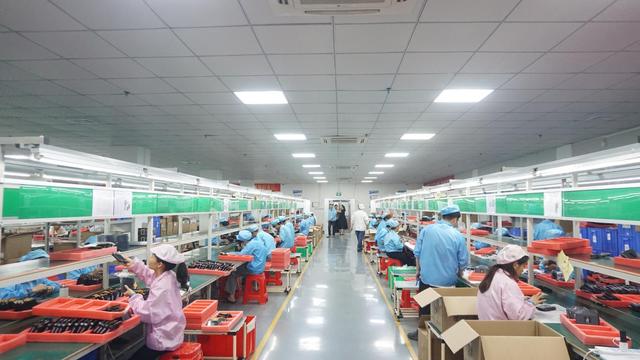
Shenzhen Manata Scanner Co., Ltd. is a leading China automotive diagnostic equipment manufacturer specializing in advanced vehicle inspection systems and ECU diagnostic solutions for the global automotive aftermarket. With a strong commitment to innovation, quality, and intelligent vehicle servicing, Manata Scanner delivers reliable diagnostic technologies designed to improve maintenance efficiency, reduce downtime, and support modern workshop operations.
Driven by continuous technological innovation, Shenzhen Manata Scanner Co., Ltd. integrates artificial intelligence, cloud connectivity, big data analysis, and advanced electronic testing technologies into its product development process. The company's R&D team focuses on creating intelligent, accurate, and user-friendly diagnostic solutions capable of meeting the evolving requirements of both conventional and new energy vehicles.
Quality is at the core of Manata Scanner's manufacturing philosophy. The company implements strict quality management procedures throughout design, production, testing, and final inspection to ensure stable performance and long-term reliability. Its products are engineered to comply with international standards and are exported to customers across Europe, North America, South America, Southeast Asia, the Middle East, and other global markets.


Pioneering next-generation vehicle testing paradigms and deep learning health modeling.
Integrating cloud analytics platforms with edge diagnostics to process historical charge patterns. This enables precision cell capacity matching and fast local calculations.
Developing ultra-sensitive current response modules optimized for solid-state architectures. This provides accurate health evaluations despite high internal operating pressures.
Leveraging Vehicle-to-Grid (V2G) systems to run passive diagnostics while vehicles are parked. This continuously monitors SOH without disrupting operator schedules.
Professional answers to key questions regarding technical specs, OEM options, and global support.
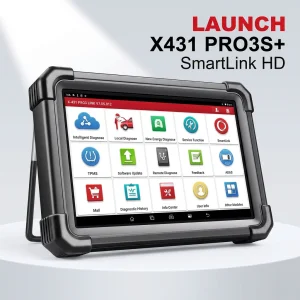
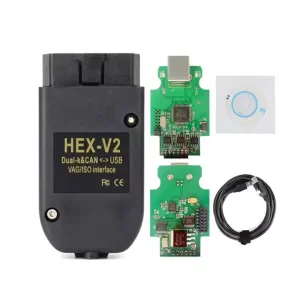
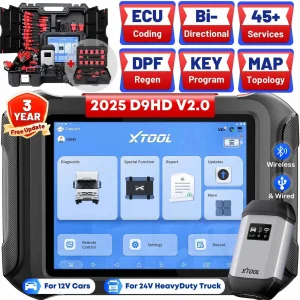
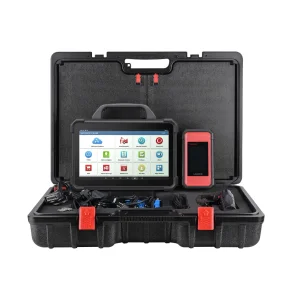
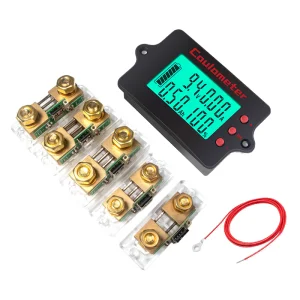
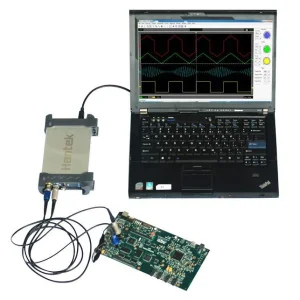
Explore our highly integrated automotive ECU diagnostic modules, TPMS systems, and industrial calibration equipment.
Providing regulatory assurance and field engineers wherever your operations exist.
Our engineering operations adhere strictly to international standards, simplifying local certifications for imported goods. From safety testing protocols to localized translation interfaces, we streamline every phase of your procurement pipeline.
UL 2580 & FCC compliant systems with dedicated local maintenance distribution channels.
CE & RoHS certified diagnostic platforms, featuring integrated multilingual support databases.
Custom localization matrices matching the rapid growth parameters of regional energy storage grids.
Comprehensive customs compliance frameworks tailored for fleet expansion operators.
 Manata Scanner