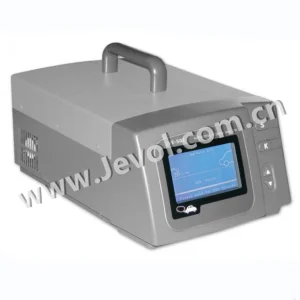
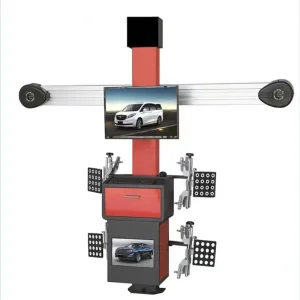
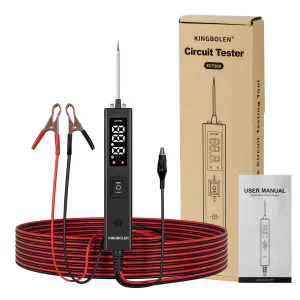
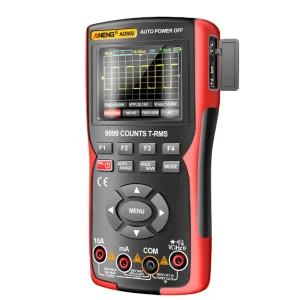
High-precision diagnostic interfaces, electrical system analyzers, and specialized lab equipment tailored for EV engineering and assembly lines.
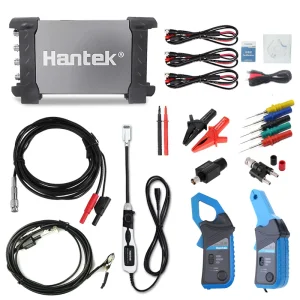
The global transition toward electric vehicles (EVs) represents a fundamental departure from internal combustion engines (ICE) to highly complex, software-defined high-voltage architectures. While traditional vehicle diagnostics primarily analyzed mechanical parameters through basic OBD-II modules, modern EV manufacturing and maintenance require specialized diagnostic infrastructures capable of interacting with multi-layered electronic networks.
Today, EV diagnostic equipment must handle high-voltage safety interlocks, battery cell balancing diagnostics, insulation resistance verification (complying with ISO 6469), and high-speed communication interfaces such as CAN FD and Automotive Ethernet (DoIP). For OEMs, integrating comprehensive end-of-line (EOL) testing during assembly is critical to ensuring functional safety (ISO 26262) and vehicle durability.
Underneath the hood of modern EV powertrains lies an ecosystem of integrated micro-controllers requiring precise calibration and telemetry.
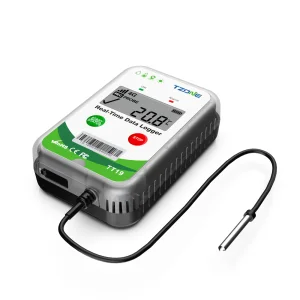
Battery Management Systems (BMS) manage electrochemical environments at the millivolt level. Our OEM solutions facilitate cell-level monitoring, dynamic capacity testing, internal resistance validation, and temperature differential diagnostics to prevent thermal runaway incidents.
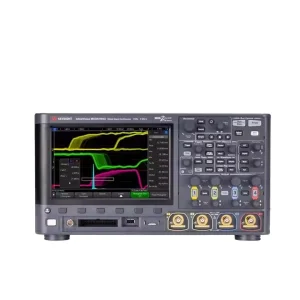
Precision calibration of three-phase traction inverters requires high-frequency data acquisition. Leveraging high-performance oscilloscopes and transient analysis, our diagnostic equipment analyzes PWM signals, resolver offsets, and IGBT thermal characteristics.
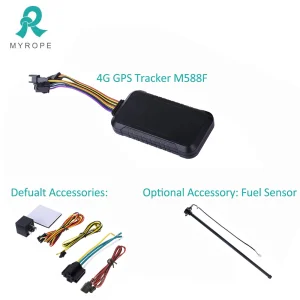
Modern fleet networks rely on diagnostics over IP (ISO 13400). We design customized hardware enabling remote telemetry pipelines, allowing vehicle developers to execute firmware-over-the-air (FOTA) updates and monitor ECU variables globally.
Operating diagnostic interfaces on live high-voltage EV powertrains (often exceeding 800V DC) requires strict adherence to international safety standards, including personal protective equipment (PPE) protocols, galvanic isolation barriers up to 5kV, and automatic insulation fault detection systems.
The industrial landscape for EV diagnostics is rapidly transforming. Regulatory frameworks in North America, Europe, and Asia-Pacific are increasingly mandating strict monitoring of battery health parameters over the operational lifespan of the vehicle. For fleet operators, managing downtime is contingent upon predictive diagnostic frameworks that isolate issues before components degrade.
Furthermore, EV charging interfaces represent another core diagnostic frontier. Standards like CCS1, CCS2, CHAdeMO, and NACS require real-time validation protocols to debug handshaking and power delivery errors. Integrated diagnostics platforms bridge the gap between grid infrastructure and vehicle powertrains, isolating errors in real time.
As a leading supplier, Shenzhen Manata Scanner Co., Ltd. addresses these systemic challenges by developing highly custom OEM scan tools and specialized infrastructure validation kits to meet industrial automotive demands globally.
The progression of automotive diagnostic architecture from manual physical scans to autonomous cloud-based systems.
Full integration of high-bandwidth bus topologies directly within aftermarket scanner platforms. Dynamic vehicle data acquisition via automotive Ethernet protocols.
ECU integration of lightweight AI model nodes that process raw sensor feeds locally, reporting localized battery anomalies directly to fleet controllers.
Decentralized diagnostic ledgers storing verified State of Health (SoH) and safety logs to support the secondary EV market and recycling ecosystems.
Closed-loop vehicle self-healing architectures that rewrite functional profiles over-the-air to bypass non-safety-critical component failures.
Shenzhen Manata Scanner Co., Ltd. is a leading China automotive diagnostic equipment manufacturer specializing in advanced vehicle inspection systems and ECU diagnostic solutions for the global automotive aftermarket. With a strong commitment to innovation, quality, and intelligent vehicle servicing, Manata Scanner delivers reliable diagnostic technologies designed to improve maintenance efficiency, reduce downtime, and support modern workshop operations.
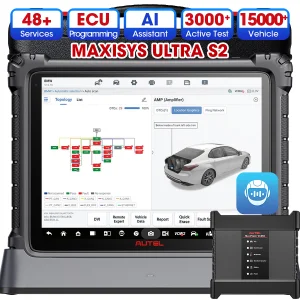
The company offers a comprehensive portfolio of automotive diagnostic equipment, including vehicle inspection systems, ECU programming and coding tools, automotive scan tools, ADAS calibration equipment, EV battery diagnostic systems, TPMS diagnostic devices, and intelligent fleet diagnostic solutions. These products are widely used by automotive repair workshops, vehicle inspection centers, dealerships, fleet operators, and maintenance service providers worldwide.
Driven by continuous technological innovation, Shenzhen Manata Scanner Co., Ltd. integrates artificial intelligence, cloud connectivity, big data analysis, and advanced electronic testing technologies into its product development process. The company's R&D team focuses on creating intelligent, accurate, and user-friendly diagnostic solutions capable of meeting the evolving requirements of both conventional and new energy vehicles.
Quality is at the core of Manata Scanner's manufacturing philosophy. The company implements strict quality management procedures throughout design, production, testing, and final inspection to ensure stable performance and long-term reliability. Its products are engineered to comply with international standards and are exported to customers across Europe, North America, South America, Southeast Asia, the Middle East, and other global markets.
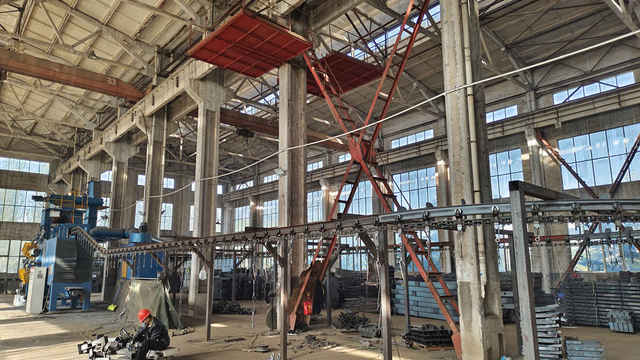
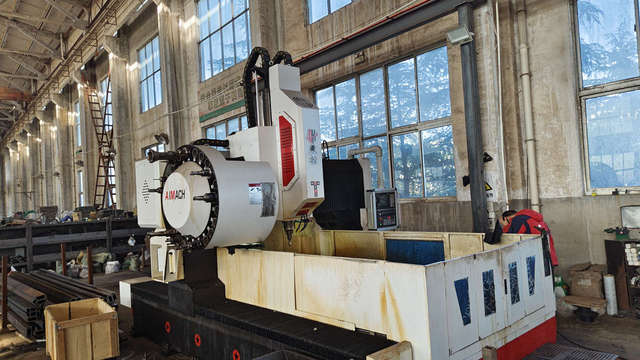
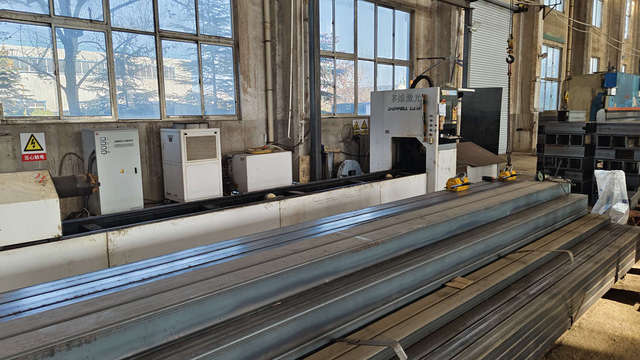
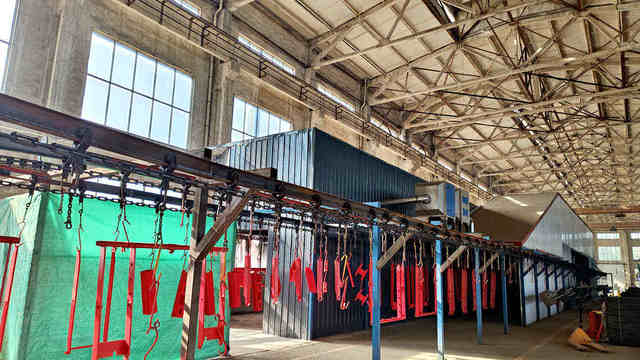
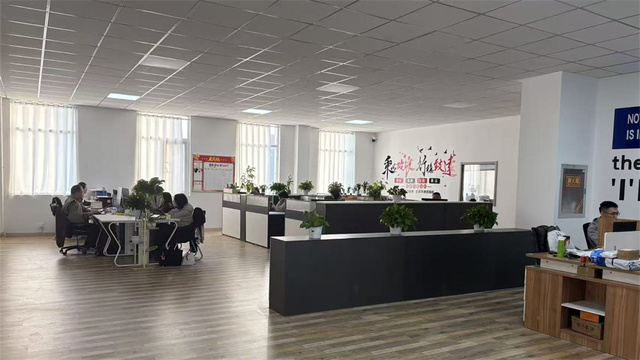
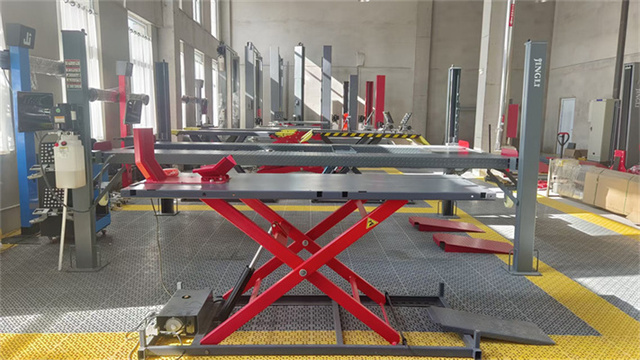
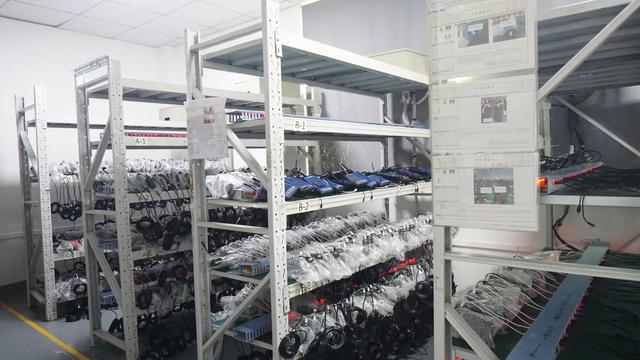
A glimpse inside our production workflows, advanced testing laboratories, and global quality control frameworks.
Custom engineering tailored to regional environmental and regulatory conditions.
Optimized for long-distance fleets encountering extreme cold. Features enhanced telemetry capabilities focused on thermal management systems and battery heating circuit diagnostics.
Pre-configured setups to compile direct reports matching EU battery safety regulations. Automated export of safety logs for EOL audits.
Optimized for fast-paced logistics hubs utilizing high-power DC chargers. Direct testing modules to resolve CCS/NACS charging communication handshake failures.
Technical answers to critical integration, safety, and development queries regarding EV diagnostics.
Legacy diagnostics focus mainly on emissions, combustion controls, and generic OBD-II frameworks operating over standard low-speed CAN networks. In contrast, EV diagnostic systems must verify high-voltage circuit insulation, isolate cell-level BMS anomalies, monitor multi-phase traction motor controllers, and interface with advanced DoIP (Diagnostics over IP) protocols to manage real-time vehicle configuration profiles.
Yes. As a leading manufacturer with deep OEM engineering experience, Shenzhen Manata Scanner Co., Ltd. provides customized firmware, driver stacks, API integration, and bespoke hardware designs matching proprietary E/E architectures, helping automotive OEMs and tier-1 suppliers build custom diagnostic tools.
Our systems incorporate high-grade galvanic isolation up to 5kV and actively interface with the vehicle's onboard IMD (Insulation Monitoring Device) through secure ECU calls. This permits safely verifying isolation resistance in gigaohms without exposing technicians to hazardous voltage potentials.
Yes, our newer generation OEM interfaces support both CAN FD (Flexible Data-rate) and Automotive Ethernet (100BASE-T1 / 1000BASE-T1) using DoIP protocols. This guarantees compatibility with modern high-bandwidth vehicle backbones and fast firmware flashing routines.
From infrastructure charging stations to high-voltage battery testers and heavy-duty inspection systems.
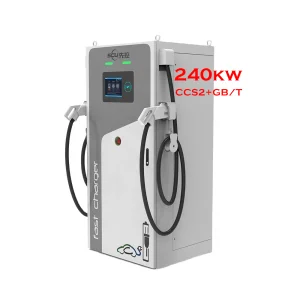
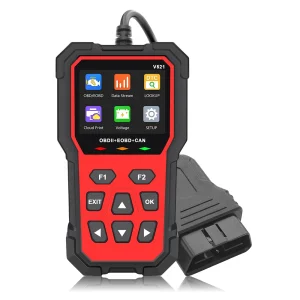
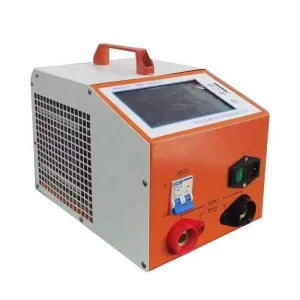
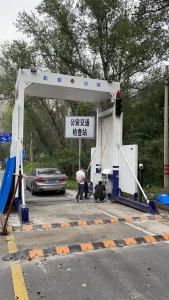
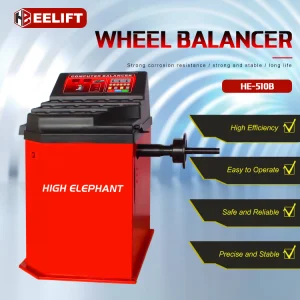
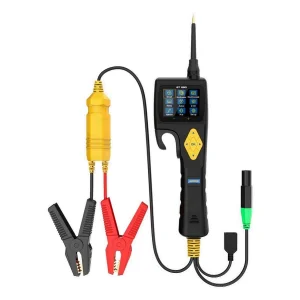
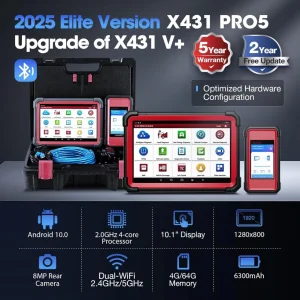
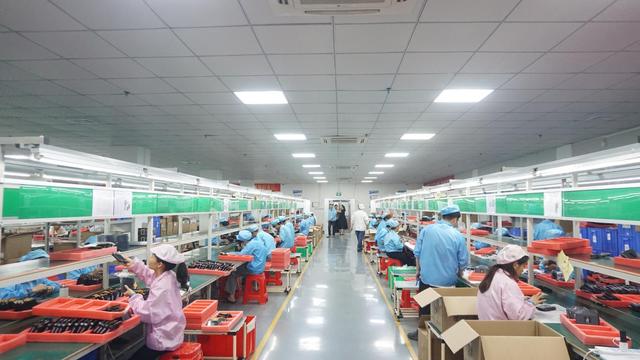
At Shenzhen Manata Scanner Co., Ltd., quality is the foundational element of our production cycle. We apply rigorous QA routines at every developmental phase—from initial schematic architecture design to assembly and stress testing inside environment chambers. All manufactured diagnostic components undergo thorough validation cycles to ensure they function reliably under real-world vehicle repair and factory line environments.
Our solutions comply with various global directives, including CE, FCC, and RoHS standards. Additionally, the software architecture features advanced localization layers, permitting technicians and engineers globally to perform detailed diagnostics in their local languages and under region-specific electrical standards. When partner OEMs source custom diagnostic solutions from us, they integrate a system designed for stability, precision, and ease of use.
 Manata Scanner