Modern internal combustion engines (ICE) and hybrid vehicles rely on high-precision fuel injection systems to meet stringent environmental standards and optimize thermal efficiency. As common rail diesel injection (CRDI) and gasoline direct injection (GDI) technologies reach pressures exceeding 2,500 bar, traditional diagnostic routines are no longer sufficient. Diagnostic engineers require access to high-fidelity sensor signals, fast oscilloscope sampling rates, and reliable ECU programming interfaces to accurately isolate mechanical issues from sensor or controller faults.
In this challenging technical landscape, Shenzhen Manata Scanner Co., Ltd. stands as a premier manufacturer of automotive diagnostic equipment, providing advanced vehicle inspection systems, ECU diagnostic platforms, and workshop simulation benches. By focusing on the integration of hardware reliability, AI-enabled cloud connectivity, and multi-protocol capability, Manata Scanner helps service centers reduce diagnostic cycle times, optimize workshop throughput, and deliver reliable root-cause analyses.
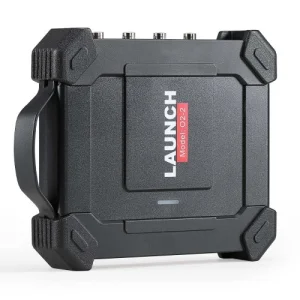
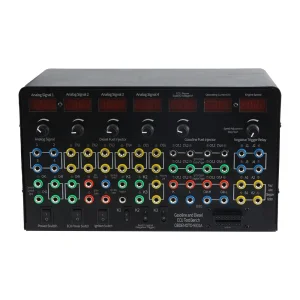
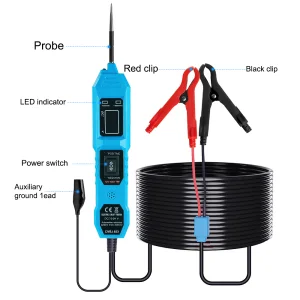
Relying solely on Diagnostic Trouble Codes (DTCs) can lead to misdiagnoses and unnecessary component replacements. A fuel injector fault code may stem from a driver circuit breakdown, an intermittent wiring harness resistance, or physical nozzle leakage. By utilizing 4-channel, 100MHz automotive oscilloscopes alongside precision ECU test benches, diagnostic teams can monitor actual injector current ramps, solenoid voltage drops, and sensor response times in real-time, pinpointing mechanical failure down to the microsecond level.
For tier-1 automotive workshops, fleet managers, and industrial equipment buyers, diagnostic device sourcing goes beyond finding the lowest price per unit. Decision-makers demand comprehensive compatibility, robust software update lifecycles, and low-latency hardware performance. Modern procurement teams evaluate manufacturers on their ability to offer solutions across several core vectors:
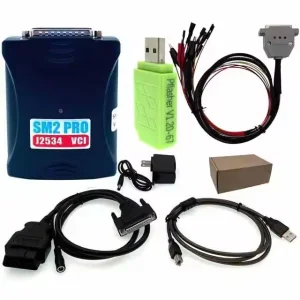
Support for legacy SAE J1939 protocols alongside modern automotive standards such as CAN-FD, DoIP, and J2534 Passthru to interface with complex ECU architectures.
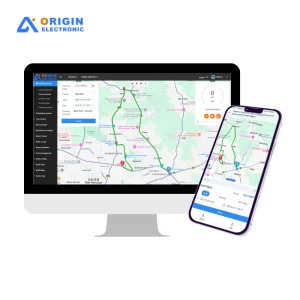
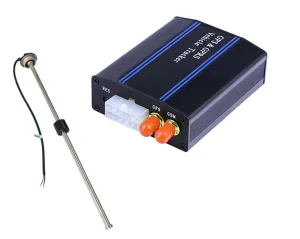
Reliable cloud telemetry platforms for commercial fleet management, providing white-label GPS, fuel consumption monitoring, and real-time engine health telematics.
Strategic localized warehousing (e.g., USA and EU regional hubs) ensuring fast dispatch times, minimal customs delays, and localized tech support for critical equipment.
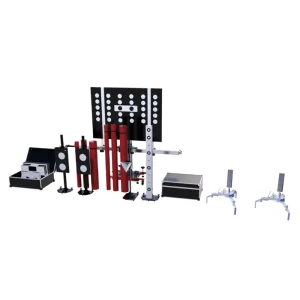
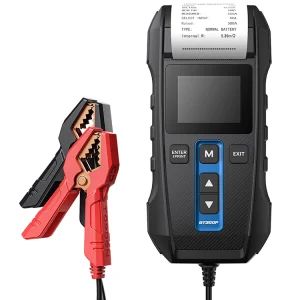
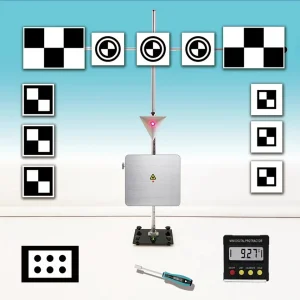
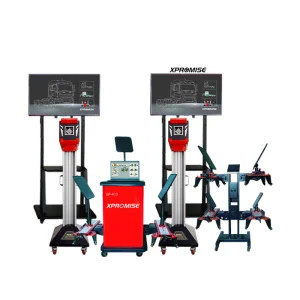
As the automotive sector undergoes a structural shift towards electric and driver-assisted platforms, workshop service environments must implement cross-functional tooling. Sourcing managers look for suppliers that can design diagnostic ecosystems that encompass standard combustion analytics, ADAS calibration systems, and EV battery testers.
Quality is at the core of Shenzhen Manata Scanner's manufacturing philosophy. Our production facilities maintain rigorous quality control protocols spanning incoming component validation (IQC), in-process inspections (IPQC), and functional testing (FQC) to guarantee hardware reliability. Every diagnostic device, J2534 pass-thru programmer, and sensor simulator is engineered to meet global compliance criteria including CE, FCC, RoHS, and ISO 9001 standards.
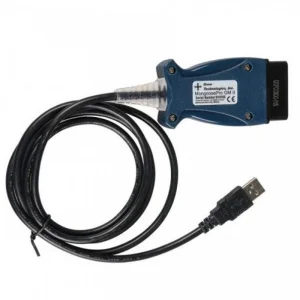
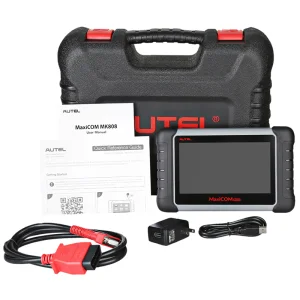
Additionally, software integrity is validated against international automotive diagnostics standards. This ensures that when workshops connect tools like the Autel MaxiCOM MK808 or the JLR Mangoose interface, they obtain reliable communications with the vehicle's ECU without risk of system corruption or erroneous fault-code reporting.
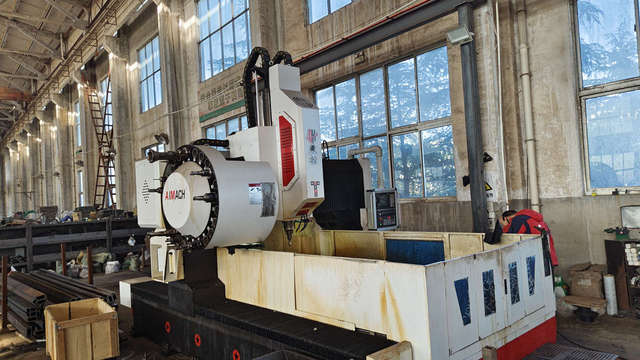
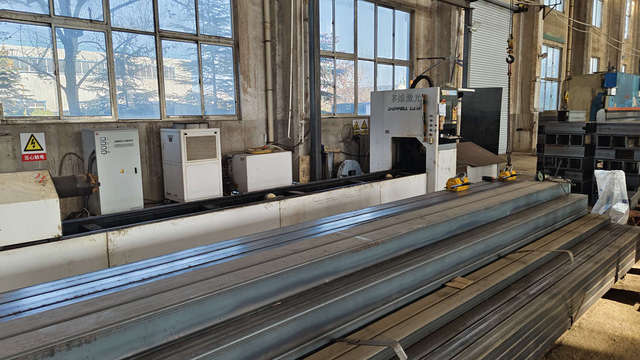
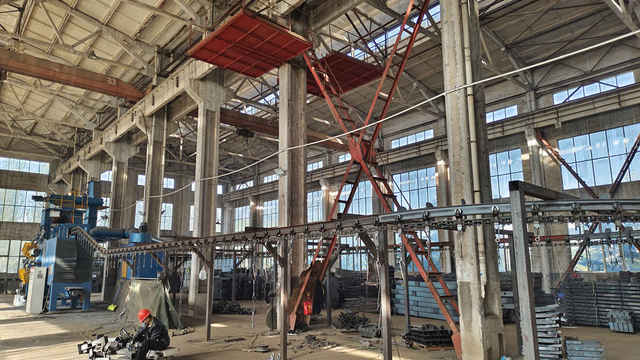
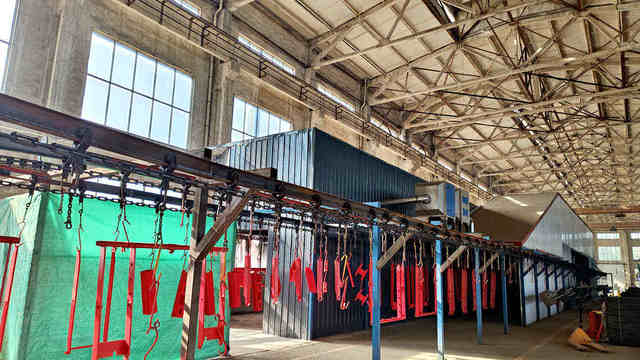
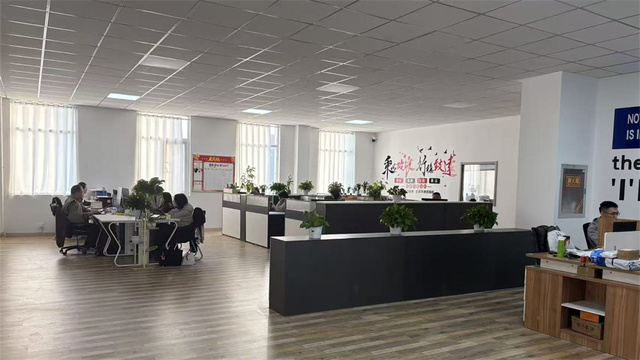
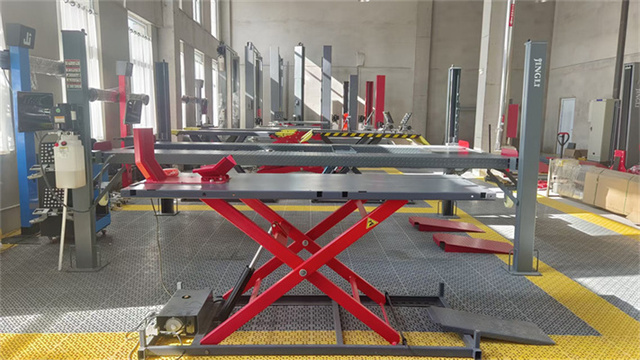
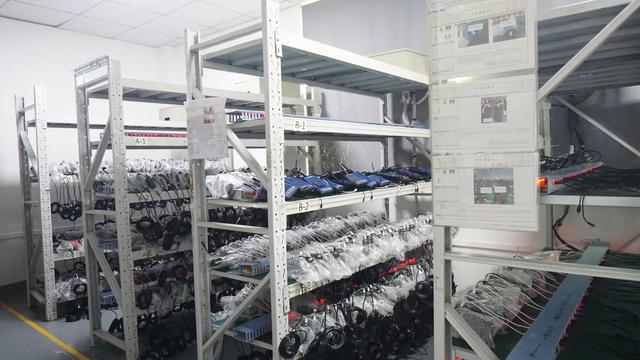
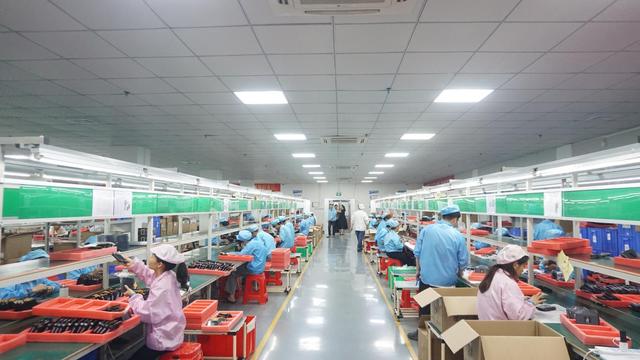
Shenzhen Manata Scanner Co., Ltd. operates state-of-the-art manufacturing plants optimized for SMT assembly, precision optical alignment calibration (for ADAS systems), and environmental burn-in testing. Below are views from our factory floor, R&D labs, and inspection divisions:
Below are answers to critical technical questions commonly encountered by workshop directors, system integrators, and industrial procurement managers.
 Manata Scanner