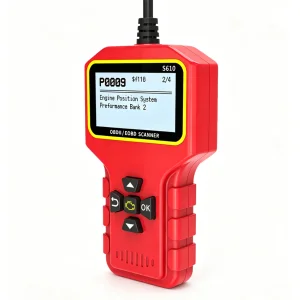
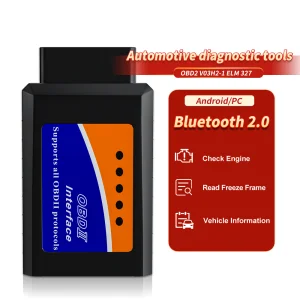
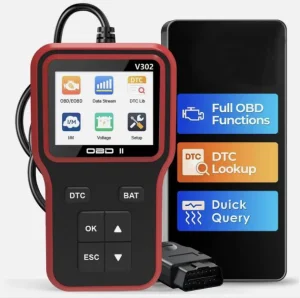
In the rapidly transforming automotive landscape, vehicle diagnostic applications are no longer just basic error-code readers. The modern repair workshop, fleet operator, and vehicle inspection agency require complex, high-throughput systems capable of communicating across multiple OEM networks, processing high-speed bus architectures like DoIP (Diagnostic over Internet Protocol) and CAN FD. Implementing CE certified diagnostic applications represents the fundamental line of demarcation between commercial-grade dependability and unsafe, unauthorized diagnostic failures.
CE certification is not merely a label; it confirms that diagnostic interfaces conform to the rigorous safety, health, and environmental protection standards of the European Economic Area (EEA). For automotive diagnostic units, CE compliance entails Electromagnetic Compatibility (EMC) testing, Low Voltage Directive (LVD) assurance, and Restriction of Hazardous Substances (RoHS) validation. This ensures the scanner does not interfere with the vehicle's safety electronics (like Airbags or ABS controllers) during critical diagnostic sessions, coding cycles, or sensor calibrations.
As a leading China automotive diagnostic equipment manufacturer, Shenzhen Manata Scanner Co., Ltd. specializes in advanced vehicle inspection systems and ECU diagnostic solutions for the global automotive aftermarket. Committed to continuous innovation, quality control, and intelligent vehicle servicing, the enterprise designs state-of-the-art diagnostic devices that minimize shop downtime, optimize diagnostic workflows, and seamlessly integrate into modern cloud repair management infrastructures.
The shift towards Connected, Autonomous, Shared, and Electric (CASE) vehicles has permanently changed the automotive service industry. Diagnostics must now bridge the gap between traditional mechanical repairs and complex network analysis. Software-defined vehicles require advanced computing frameworks to communicate with complex ECUs.
Traditional CAN buses are being bottlenecked by massive diagnostic files and multi-gigabyte programming operations. Diagnostic over IP (DoIP) implements Ethernet protocols (ISO 13400) to push data transmission speeds to 100 Mbps or higher. Manufacturers must deliver hardware and software that can safely negotiate connection parameters without creating network errors or causing ECU failure.
Modern technicians often encounter complex situations that require specialized, brand-specific knowledge. Remote programming platforms—like the DONET infrastructure—allow specialists in centralized hubs to log directly into vehicles via cloud-to-hardware pathways, providing local workshops with OEM-level capabilities without requiring massive software license outlays.
New Energy Vehicles (NEVs) replace the traditional engine code readout with dynamic Battery Management System (BMS) interrogation. Technicians must inspect cell voltages, state-of-health (SoH) profiles, thermal degradation thresholds, and high-voltage insulation integrity. This demands specialized equipment, such as EV-dedicated diagnostic kits, built to handle massive electrical currents and complex digital signals.
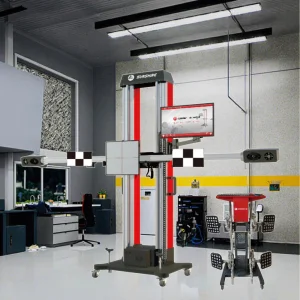
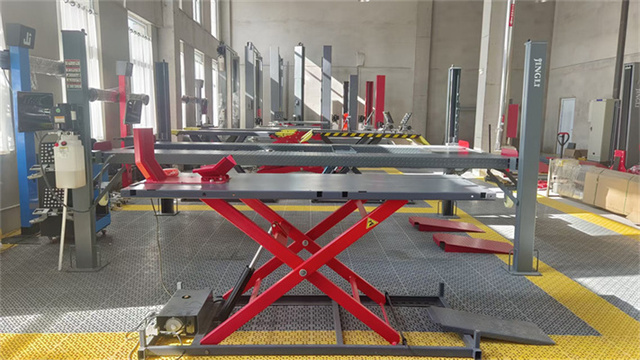
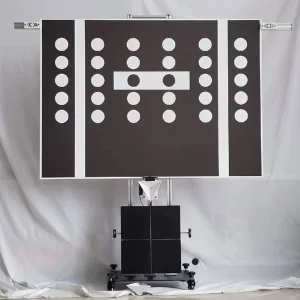
Advanced Driver Assistance Systems (ADAS) depend on precisely positioned sensors, radar arrays, and optical cameras. Any structural adjustment, windshield replacement, or wheel alignment requires recalibration. Manufacturers are integrating ADAS calibration boards and wheel alignment systems to create unified, streamlined diagnostic routines.
B2B importers, workshop operators, and automotive service networks require hardware solutions that balance functionality, regulatory compliance, and cost-efficiency. Low-cost, non-certified equipment can damage vehicles' delicate electronic buses, exposing businesses to liability risks. For global buyers, prioritizing CE-compliant and rigorously tested interfaces guarantees long-term operational security.
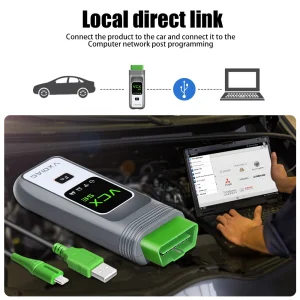
Additionally, modern automotive workshops need multi-functional diagnostic systems that adapt to both internal combustion engines (ICE) and hybrid/electric vehicles. Hardware that supports modular upgrades allows repair shops to invest in a base diagnostic architecture (like J2534 passthru interfaces) and gradually expand into battery pack diagnostics or ADAS calibration as customer requirements change.
Equipping standard workshop networks with tools for basic mechanical service, multi-brand diagnostics, ECU adaptations, and electronic component matching.
Enabling fleet operators to perform in-house assessments of high-voltage battery health, trace cell anomalies, and monitor real-time battery degradation profiles.
Our R&D team continuously advances diagnostic capabilities. By integrating hardware development with high-level software support, we deliver long-term compatibility with upcoming vehicle models.
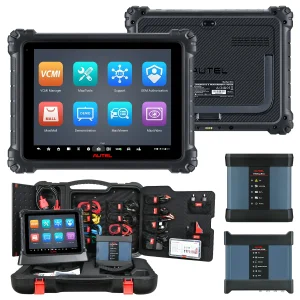
Deploying multi-channel VCMI controllers that easily handle large-file flashing, programming, and data logging tasks without requiring external interface boxes.
Integrating artificial intelligence modules that cross-reference sensor readouts and trouble codes with a global database of historical repair statistics, pointing technicians directly to high-probability component failures.
Constructing high-fidelity validation software to assess EV battery packs before recycling, helping global regulatory bodies verify battery structural stability.
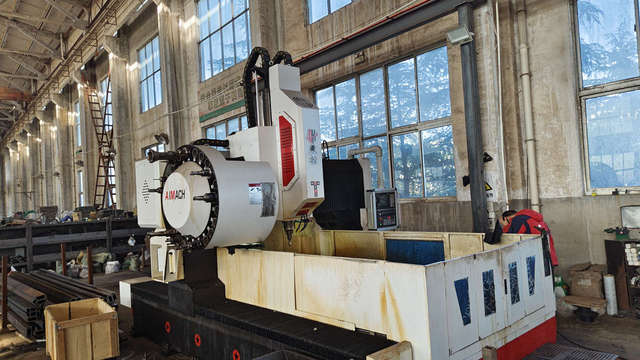
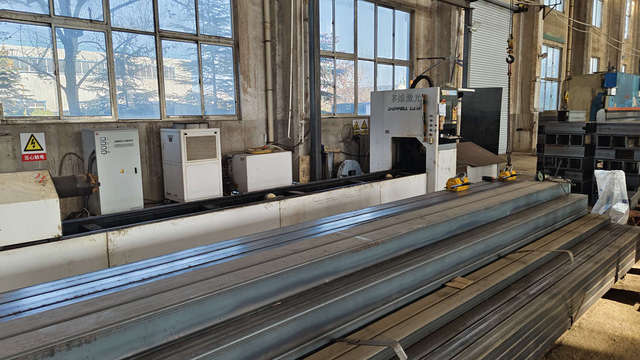
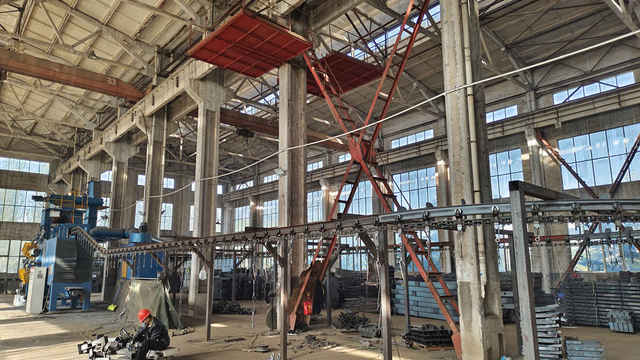
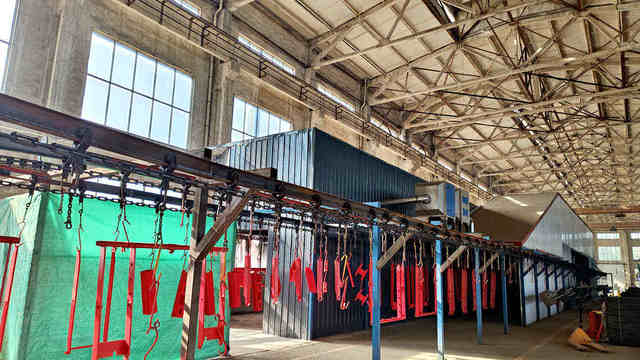
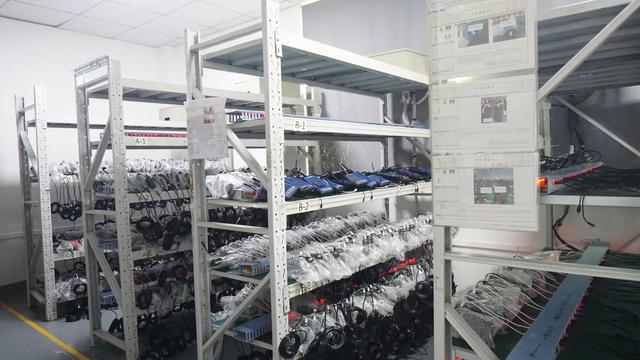
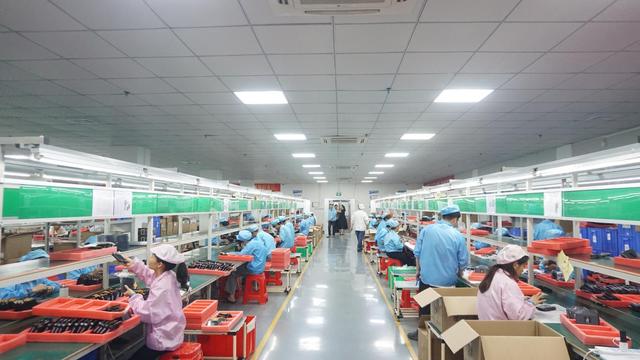
Shenzhen Manata Scanner Co., Ltd. applies strict quality assurance protocols throughout the assembly, testing, and distribution processes. Our state-of-the-art facility produces durable, field-tested components.
 Manata Scanner