In modern automotive engineering, diagnostic scan tools reading DTCs (Diagnostic Trouble Codes) are no longer sufficient. As microprocessors, bus systems, and electric drivetrains become more intricate, hardware-level waveform validation has emerged as the definitive standard for resolving complex electrical issues. Automotive oscilloscopes act as the "eyes" of the diagnostic engineer, allowing the direct visualization of electrical signals in real-time. By plotting voltage over time, these instruments reveal high-speed network anomalies, sensor degradation, and ignition transients that scanners simply miss.
As a premier CE certified automotive oscilloscope exporter, Shenzhen Manata Scanner Co., Ltd. sits at the intersection of high-frequency physical layer measurement and protocol decoding. Our oscilloscopes provide modern workshops and vehicle development departments with the ability to diagnose physical bus systems like CAN, CAN-FD, LIN, and FlexRay, as well as test actuators and high-voltage EV subsystems with laboratory-grade precision.
Real-time sampling rates up to 1 GSa/s allow the isolation of fleeting microsecond glitches and bus noise on modern automotive control networks.
4 to 8 independent channels with high input voltage protection allow engineers to monitor complex actuator-sensor relationships safely.
Guaranteed electromagnetic compatibility (EMC) and low-voltage electrical safety according to European EN standards, ensuring import safety and field reliability.
Exporting electrical diagnostic equipment into strict regulatory markets like the European Economic Area (EEA) requires total compliance with health, safety, and environmental protection standards. For high-frequency measurement devices like automotive oscilloscopes, CE certification represents a rigorous engineering benchmark rather than a mere administrative hurdle.
Automotive oscilloscopes must operate within harsh, electrically noisy engine bays without emitting radio-frequency noise that disrupts vehicle ECUs. Simultaneously, they must resist high-energy transient spikes, static discharge (ESD), and electromagnetic interference (EMI) from the ignition systems and high-voltage EV inverters. Our CE-certified scopes comply fully with:
For global distributors, purchasing non-certified instruments risks customs seizures, steep regulatory penalties, and civil liability in the event of equipment failure. By choosing a specialized CE-certified automotive oscilloscope exporter like Shenzhen Manata Scanner Co., Ltd., procurement teams secure smooth customs clearance, fast market access, and peace of mind knowing the products comply with the European Union's strict Low Voltage Directive (LVD) and Electromagnetic Compatibility Directive (EMCD).
Real-Time Sampling Rate
Isolated Hardware Channels
CE Certified & EMC Tested
Exporting Destination Countries
Enterprise buyers—ranging from multi-site service networks to automotive manufacturing plants—have strict requirements when procuring diagnostic hardware. A breakdown of key purchasing trends reveals a major shift toward high-fidelity measurement tools capable of operating in diverse workshop environments.
Large chains prioritize standardized diagnostic procedures. They require oscilloscopes with built-in automotive test presets (e.g., preset sensors, charging circuits, and ignition setups) to reduce technician setup time and lower the diagnostic barrier to entry.
Engineers analyzing lithium battery packs and high-voltage battery management systems (BMS) require high vertical resolution (12-bit to 16-bit ADCs) and differential probes to evaluate cell balancing bus noise, transient pulses, and control signals without risk of short circuits.
Commercial transport fleets face massive downtime costs. Their requirements focus on ruggedized handheld scopes capable of diagnostic operations in cold, humid, or dusty environments, combined with reliable CAN-bus decoding capabilities.
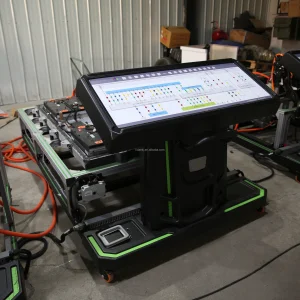
Today's vehicles are not isolated mechanical units; they are complex Cyber-Physical Systems. As a result, automotive repair requires a multi-faceted approach where oscilloscopes work in harmony with ADAS calibration stands, EV trainers, and advanced diagnostic scanners.
Advanced Driver Assistance Systems (ADAS) depend on millisecond-level communications with the vehicle's electronic control units (ECUs). A slight voltage instability on the CAN network can lead to camera or radar misalignment, causing ADAS calibration sequences to fail. By monitoring the electrical signals of ADAS sensors under load, technicians can verify power integrity before starting physical mechanical wheel alignment or radar board calibration.
Electric Vehicle (EV) drivetrains operate under high voltages and frequencies. Standard OBD2 diagnostic tools are blind to the high-frequency switching noise produced by the traction inverter. An automotive oscilloscope, coupled with isolated high-voltage differential probes, is essential for monitoring BMS cell communication, examining Resolver/Encoder signal integrity, and detecting insulation leakage faults safely.
Shenzhen Manata Scanner Co., Ltd. continuously pushes the boundary of automotive measurement technology. Our product roadmap outlines the shift from basic oscilloscopes to highly integrated diagnostic platforms that combine physical measurement, cloud computing, and AI-assisted troubleshooting.
As vehicle networks migrate from traditional CAN (1 Mbps) to CAN-FD (up to 5-8 Mbps) and Automotive Ethernet (100Base-T1), oscilloscope bandwidth must exceed 100MHz to capture raw data packets and analyze eye diagrams for signal integrity.
Leveraging cloud-based machine learning models, our future diagnostic tools can analyze captured waveforms, compare them to a massive database of healthy reference patterns, and automatically flag defects such as worn solenoid valves or failing coils.
Eliminating the divide between OBD software tools and hardware oscilloscopes, next-gen devices integrate J2534 programming protocols and physical channel probes into a single VCI, showing diagnostic software and waveforms on a split-screen display.
The global automotive aftermarket is undergoing its most rapid transition in decades. As internal combustion engines coexist with battery electric vehicles (BEVs) and plug-in hybrid electric vehicles (PHEVs), repair facilities are forced to transform their workflow. In mature markets such as North America and Europe, strict regulatory requirements and labor shortages mean workshops must diagnose faults correctly the first time to maintain profitability.
In developing markets, vehicle age is increasing, which leads to complex electrical issues caused by wiring corrosion, rodent damage, and wear. Distributors globally report a double-digit increase in demand for advanced diagnostic equipment. Importers who align with professional, CE-certified manufacturers are capture significant market share by providing reliable, affordable, and fully compliant measurement systems.
A great diagnostic tool is only as good as the support network behind it. Recognizing this, Shenzhen Manata Scanner Co., Ltd. has established a complete localization ecosystem for global distributors and industrial clients.
Our oscilloscope operating software and automotive waveform libraries are fully localized in major world languages, including German, French, Spanish, Italian, Portuguese, Russian, and Arabic. This lowers the training curve for field technicians and ensures intuitive navigation during complex vehicle testing processes.
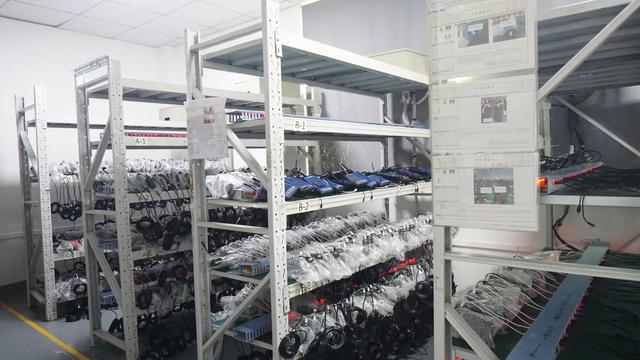
Through our network of authorized service centers and global distribution hubs, we offer calibration services, rapid spare parts delivery, and direct technical support. By reducing transit times and simplifying warranty claims, we ensure our global partners can focus on scaling their market presence.
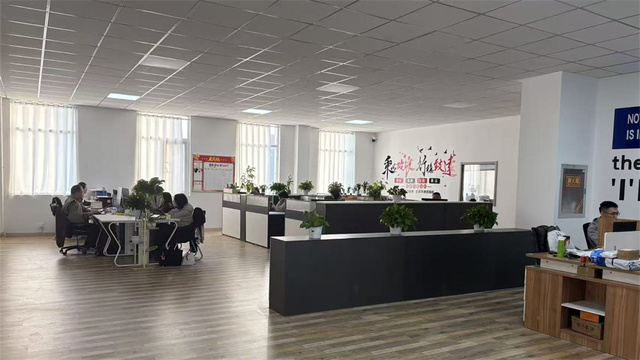
Shenzhen Manata Scanner Co., Ltd. is a leading China automotive diagnostic equipment manufacturer specializing in advanced vehicle inspection systems and ECU diagnostic solutions for the global automotive aftermarket. With a strong commitment to innovation, quality, and intelligent vehicle servicing, Manata Scanner delivers reliable diagnostic technologies designed to improve maintenance efficiency, reduce downtime, and support modern workshop operations.
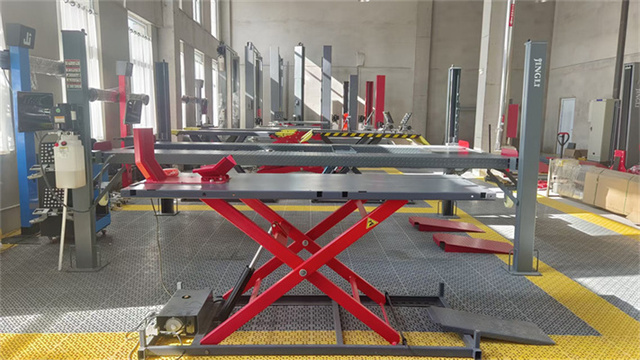
The company offers a comprehensive portfolio of automotive diagnostic equipment, including vehicle inspection systems, ECU programming and coding tools, automotive scan tools, ADAS calibration equipment, EV battery diagnostic systems, TPMS diagnostic devices, and intelligent fleet diagnostic solutions. These products are widely used by automotive repair workshops, vehicle inspection centers, dealerships, fleet operators, and maintenance service providers worldwide.
Driven by continuous technological innovation, Shenzhen Manata Scanner Co., Ltd. integrates artificial intelligence, cloud connectivity, big data analysis, and advanced electronic testing technologies into its product development process. The company's R&D team focuses on creating intelligent, accurate, and user-friendly diagnostic solutions capable of meeting the evolving requirements of both conventional and new energy vehicles.
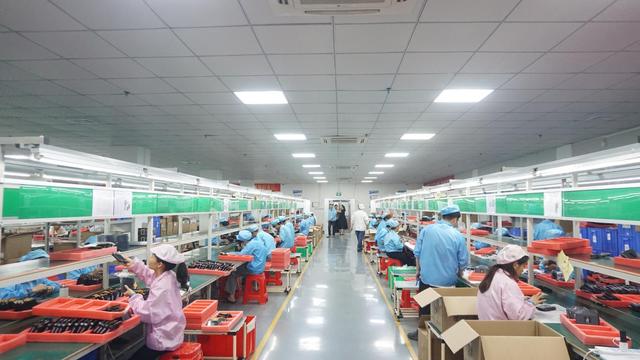
Quality is at the core of Manata Scanner's manufacturing philosophy. The company implements strict quality management procedures throughout design, production, testing, and final inspection to ensure stable performance and long-term reliability. Its products are engineered to comply with international standards and are exported to customers across Europe, North America, South America, Southeast Asia, the Middle East, and other global markets.
Committed to becoming a trusted global partner in automotive diagnostics, Shenzhen Manata Scanner Co., Ltd. continues to provide innovative products, professional technical support, and customized solutions that help customers enhance service capabilities and operational efficiency.
Explore answers to common questions about automotive oscilloscopes, import compliance, and high-frequency sensor signal analysis.
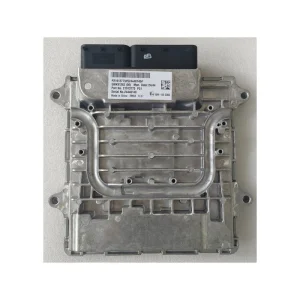
Truck Other Engine Parts ECU Electronic Control Unit 5WK91262 21913773
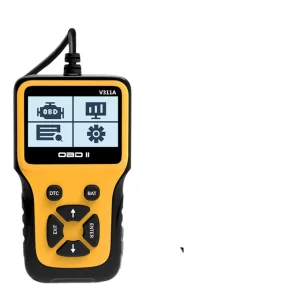
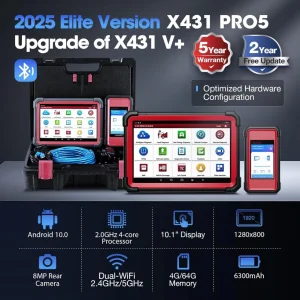
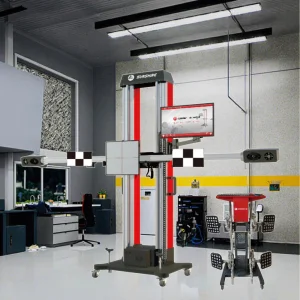
New Designed ADAS Calibration Device and Wheel Alignment Two-in-one Machine AlignADAS S700
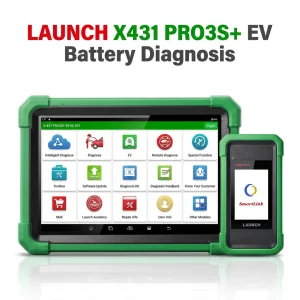
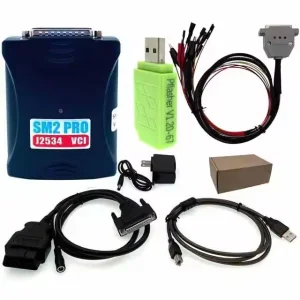
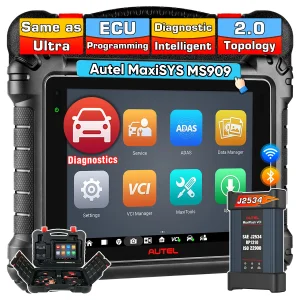
SM2 PRO J2534 VCI PCM ECU Programmer Auto ECU Programming Tools With V1.20 and 1.21 Dongle
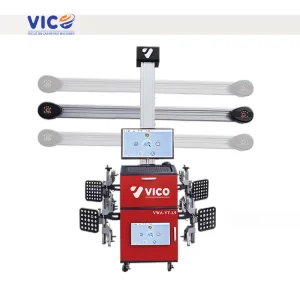
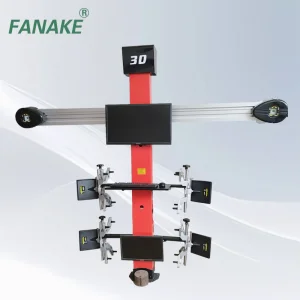
Vico Hot Selling 3D Wheel Alighment Machine Garage Equipment #Vwa-Yt-L9
 Manata Scanner