Premium-tier MDVR kits and high-sensitivity fuel telemetry units optimized for transit environments within the Valley of Mexico.

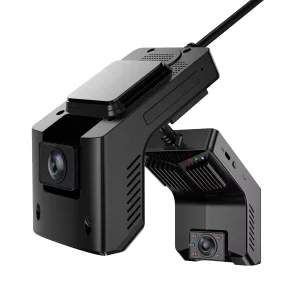
Mexico City (CDMX) acts as the high-velocity logistics spine of Latin America. Distribution nodes spanning Vallejo, Tlalnepantla, and the Tepotzotlán corridor push millions of cargo tons daily through critical transport corridors like the Circuito Exterior Mexiquense and the challenging Mexico-Veracruz (Mex-150D) highway. Operating in this environment exposes fleets to severe bottlenecks, challenging mountainous terrain, and persistent safety hazards.
For fleet managers, operations in this region demand robust fleet tracking systems. Frequent gridlock on roads like Periférico and Avenida Central increases engine idling and fuel consumption, while altitude transitions of over 2,200 meters put continuous mechanical strain on heavy-duty vehicles. Our specialized fleet monitoring platforms are designed to address these distinct operational and environmental variables.
By pairing precision GPS tracking with live telematics, we enable dispatchers to bypass high-risk zones, monitor driving styles in real-time, and immediately identify abnormal fuel drops. Safeguarding assets and optimizing operations in CDMX requires specialized local insights backed by dependable hardware.
Integrating Artificial Intelligence, high-speed connectivity, and rugged diagnostic capabilities to protect your vehicle fleet.
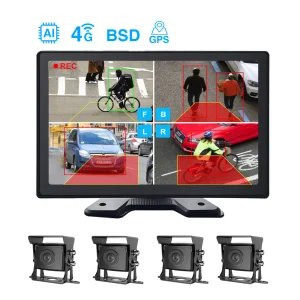
Our systems use integrated neural processors (NPU) to run advanced driver assistance systems (ADAS) and driver monitoring systems (DMS) directly on the device, detecting fatigue, distraction, and potential forward collisions instantly.
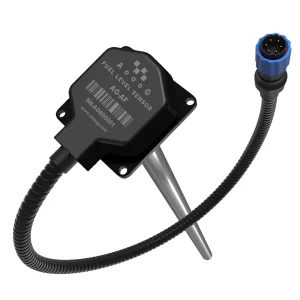
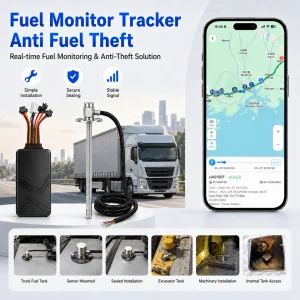
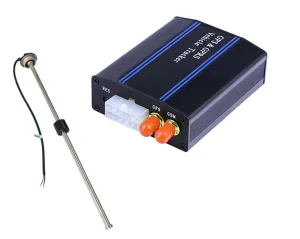
Eliminate diesel shrinkage via high-precision capacitance rods and Bluetooth LE fuel level sensors. Features instant alarms for rapid fuel drops, even when the vehicle's ignition is completely turned off.
Engineered to support 4G/5G LTE with automatic multi-carrier switching (such as Telcel, Movistar, and AT&T) alongside satellite fallback, ensuring steady data streams even in remote mountain corridors.
Fleet operations are evolving toward 5G edge computing and integrated vehicle telematics. By linking fleet OBD-II/CAN-bus networks directly with municipal emergency centers (C5), commercial operators can significantly reduce response times and mitigate security incidents. Next-generation systems will rely heavily on predictive engine health metrics and real-time ADAS alerts to safeguard fleet operations in Mexico's major industrial hubs.
Developing customized security, safety, and efficiency solutions for diverse vehicle platforms.
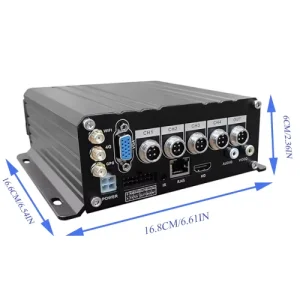
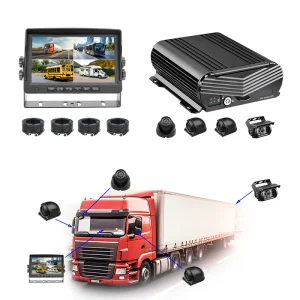
Ensure passenger safety across urban transit routes in Mexico City with advanced 4CH/8CH high-definition MDVR hardware, built-in panic buttons, passenger-counting AI cameras, and active route deviation alerts.
Protect high-value shipments traveling between Veracruz and Mexico City with dual-sensor diesel fuel tracking, door-opening alerts, active cargo geofencing, and remote engine shut-off integration.
Monitor off-road machinery, cement mixers, and excavators using IP69K waterproof cameras, OBD diagnostic tools, and high-impact design encasements for harsh field conditions.
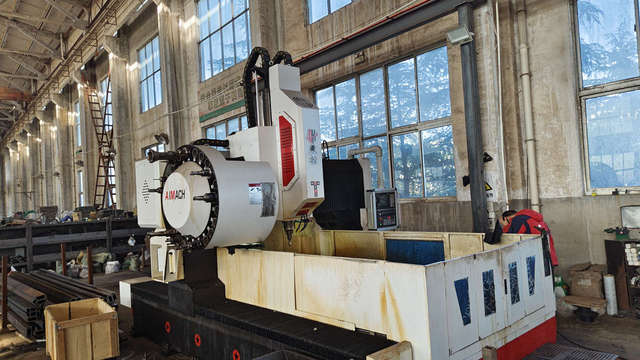
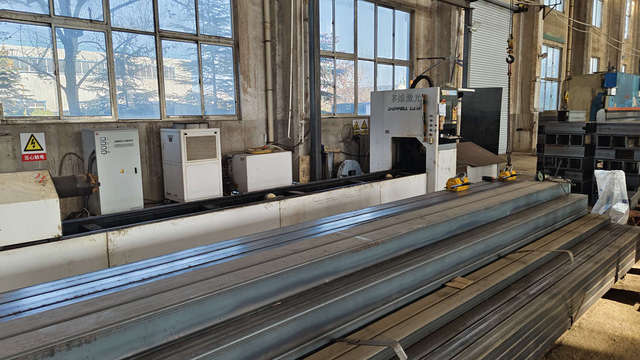
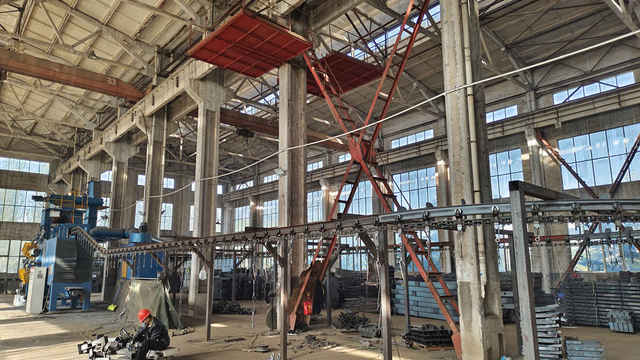
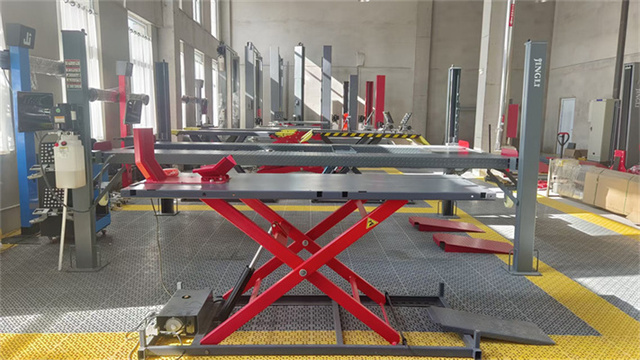
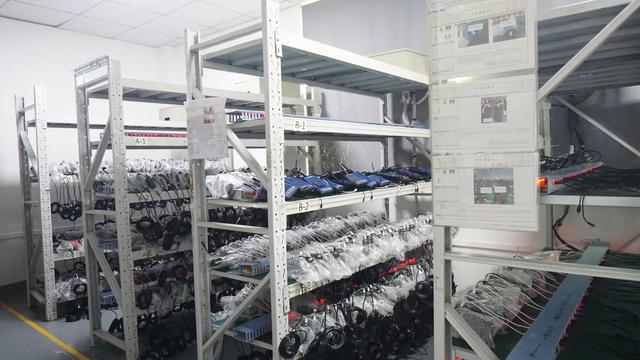
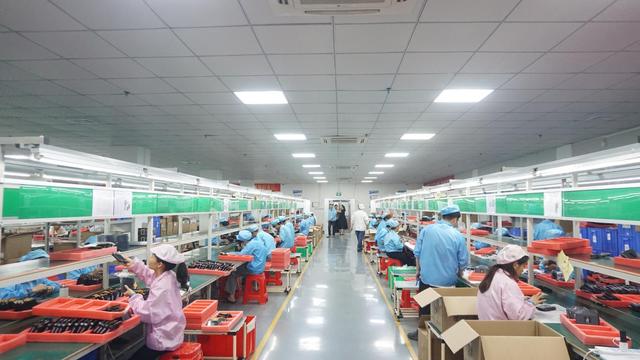
As a key player in China's advanced automotive electronics sector, Shenzhen Manata Scanner Co., Ltd. specializes in automotive diagnostic equipment, intelligent fleet systems, and complex electronic control diagnostics. Our production facility combines automated assembly lines with advanced testing protocols to deliver field-ready, high-durability hardware.
By using modern surface-mount technology (SMT) and applying rigorous climate and vibration testing, we build telematics units and MDVR hardware that perform reliably under harsh road and weather conditions. This quality-focused engineering approach ensures dependable performance for fleets globally, from busy city centers to remote industrial transport corridors.
Our engineering teams focus on merging cloud diagnostics, artificial intelligence, and edge-processing telematics into robust hardware. With full compliance across global standards, Shenzhen Manata Scanner Co., Ltd. serves as an expert partner for fleets aiming to optimize uptime, safety, and operational efficiency.
Operating a fleet within Mexico City and across surrounding states requires meeting strict local regulations. Our vehicle monitoring hardware is designed to fully support compliance with NOM-012-SCT-2-2017 (regulating weight and dimensions rules) and NOM-068-SCT-2-2014 (governing mandatory vehicle mechanical safety conditions).
Our telematics software integrates directly via flexible APIs, allowing seamless data connection to internal logistics ERPs (such as SAP, Oracle, and Salesforce) as well as specialized transport management systems. We also provide secure data feeds to municipal security monitors and private security services, enabling swift deployment of emergency protocols in the event of an unauthorized stop or emergency alert.
We work directly with major domestic cellular carriers in Mexico, including Telcel, Movistar, and AT&T. This ensures our 4G and 5G telematics devices maintain stable, low-latency connections across both urban areas and high-speed highway routes.
Our standard API architecture supports direct JSON push requests to transfer primary sensor and camera data:
Compatible with third-party software including CMSV6, Wialon, and Gurtam.
Our complete range of vehicle tracking, fuel monitoring, and AI-assisted safety hardware, engineered to perform under heavy workloads.
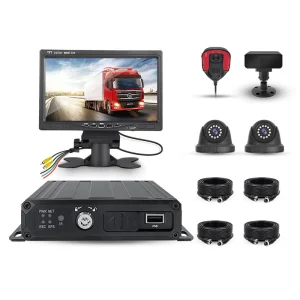
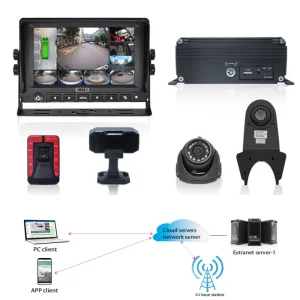
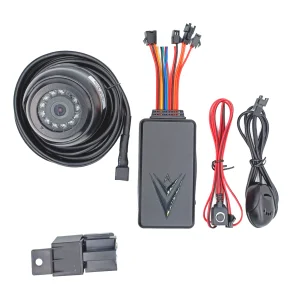
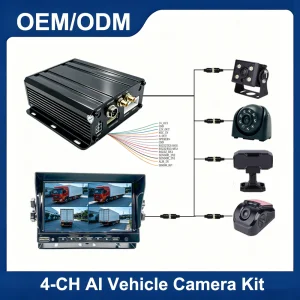
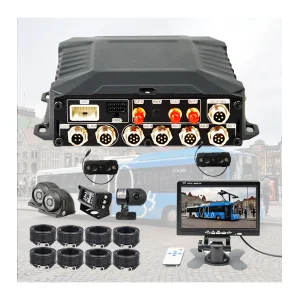
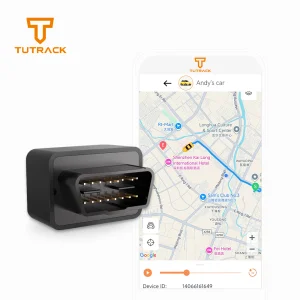
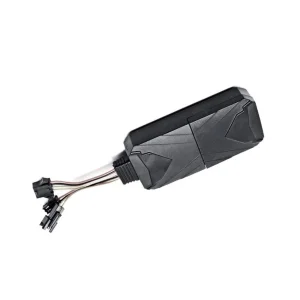
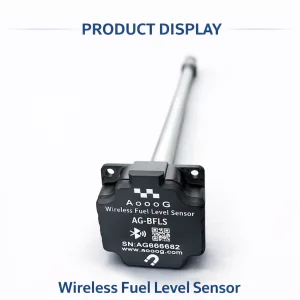
Critical considerations when selecting hardware for large-scale enterprise deployments.
For harsh conditions in Mexico, select systems with an MTBF of 50,000+ hours. Avoid consumer-grade hardware, which tends to degrade quickly under high vibration, wide voltage ranges, and dust exposure.
Consider long-term costs beyond the initial hardware purchase. Assess installation fees, monthly cloud platform costs, cellular data usage (such as using H.265 compression to reduce bandwidth), and warranty coverage.
Ensure your supplier offers complete OEM/ODM options. Hardware must be configurable to adapt to varying cabin space, custom electrical connections, and specific API output formatting.
Contact our technical sales team for specialized hardware testing, custom firmware options, or bulk project pricing tailored to your fleet's needs.
Inquire NowAnswers to key technical questions on fleet monitoring systems, implementation, and regulatory compliance.
Our advanced MDVR and camera hardware utilize edge AI capabilities to run detection processes directly on the device. Warning signals and safety alerts (such as lane deviation or driver fatigue detection) are generated instantly in the vehicle cabin even without active cellular service. Recorded events and telemetry data are stored securely on local solid-state storage (SD card or SSD) and uploaded to the server once cellular network connection is restored.
The system uses high-accuracy capacitance fuel level sensors or wireless BLE sensors placed in the diesel tank to monitor level changes. By cross-referencing fuel level fluctuations with engine operational data from the CAN-bus network, the system can instantly identify anomalies. If a sudden drop in fuel occurs while the ignition is off, it triggers an immediate warning notification via the 4G/5G connection to alert management.
Yes, our systems are built to assist fleet operators in meeting SCT regulatory requirements, including NOM-012-SCT and NOM-068-SCT. The systems record vehicle runtime metrics, log driving hours, monitor vehicle weight and distribution parameters via compatible sensor inputs, and support vehicle safety diagnostic reviews.
We offer extensive OEM/ODM customization services. This includes tailoring vehicle wiring harness designs, modifying DVR enclosures to meet specific cabin footprints, customizing firmware, and aligning sensor output configurations with specialized API/SDK requirements to integrate with third-party software platforms.
 Manata Scanner