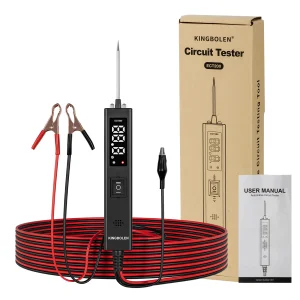
High-performance automotive diagnostic tools configured for industrial operations, workshops, and distribution networks in Australia.
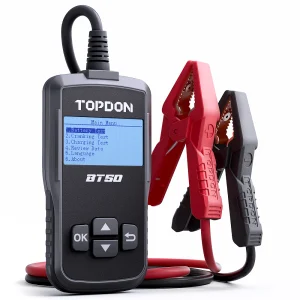
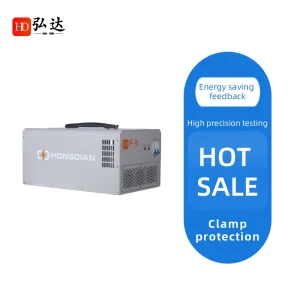
An in-depth review of industrial challenges, fleet operation requirements, and structural transitions within Oceania.
Australia's commercial automotive landscape is shaped by vast distances, challenging terrain, and extreme temperatures. From the dusty mining shafts of Western Australia to long-haul shipping routes in Queensland, regional logistics fleets depend heavily on electrical system integrity. Vibration, red dust penetration, and extreme ambient heat cause premature failures in wiring looms, CAN-bus modules, and starting batteries.
Industrial workshops require rugged diagnostic platforms that withstand these field conditions. Basic testing kits are insufficient; workshops need high-performance tools capable of pinpointing microvolt drops and measuring parasitic draws on multi-battery setups in 24V commercial rigs and road trains.
Australia's transport sector is moving steadily toward electrification, with federal and state incentives driving EV adoption. This shift creates a need for new electrical diagnostic infrastructure. Repair facilities are transitioning from low-voltage 12V DC diagnostics to high-voltage AC/DC systems capable of handling up to 1000V.
This transition demands specialized equipment, including high-voltage insulation resistance testers, pack equalizers, and battery diagnostic systems with integrated energy feedback capability. These tools help protect technicians working on EV battery packs while ensuring compliance with safety standards.
Key regulatory compliance paths, testing certifications, and durability standards for importing electronic testing equipment to Australia.
Electrical testing equipment must align with AS/NZS 61010.1 safety standards, specifying strict design parameters for voltage spikes, insulation levels, and pollution degrees in professional environments.
Devices sold in Australia must display the Regulatory Compliance Mark (RCM), confirming compliance with Australian Communications and Media Authority (ACMA) electromagnetic compatibility standards.
Equipment intended for outdoor workshops, mining pits, or agricultural fields needs high ratings for ingress protection (such as IP54 or IP65) to prevent failure from airborne dust and moisture.
Shenzhen Manata Scanner Co., Ltd. is a leading China automotive diagnostic equipment manufacturer specializing in advanced vehicle inspection systems and ECU diagnostic solutions for the global automotive aftermarket. With a strong commitment to innovation, quality, and intelligent vehicle servicing, Manata Scanner delivers reliable diagnostic technologies designed to improve maintenance efficiency, reduce downtime, and support modern workshop operations.
The company offers a comprehensive portfolio of automotive diagnostic equipment, including vehicle inspection systems, ECU programming and coding tools, automotive scan tools, ADAS calibration equipment, EV battery diagnostic systems, TPMS diagnostic devices, and intelligent fleet diagnostic solutions. These products are widely used by automotive repair workshops, vehicle inspection centers, dealerships, fleet operators, and maintenance service providers worldwide.
Driven by continuous technological innovation, Shenzhen Manata Scanner Co., Ltd. integrates artificial intelligence, cloud connectivity, big data analysis, and advanced electronic testing technologies into its product development process. The company's R&D team focuses on creating intelligent, accurate, and user-friendly diagnostic solutions capable of meeting the evolving requirements of both conventional and new energy vehicles.
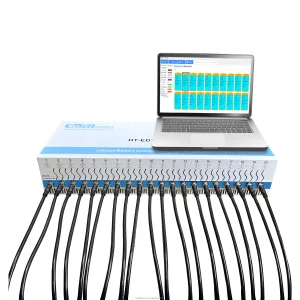
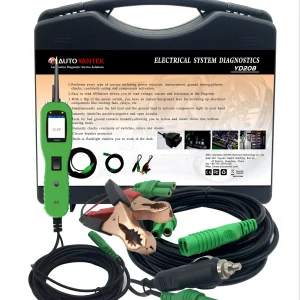
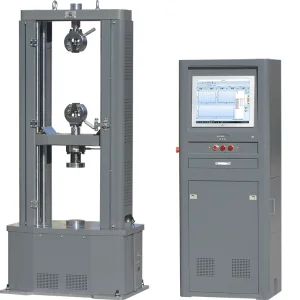
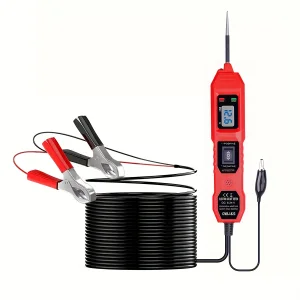
Complete selection of electrical circuit testers, high-precision multimeters, and electric vehicle battery maintenance systems.
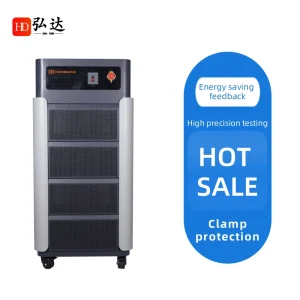
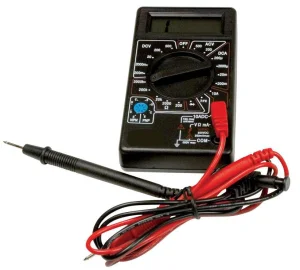
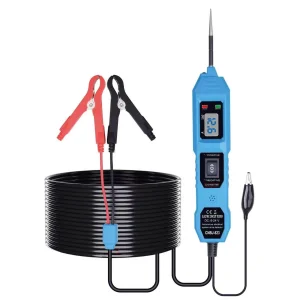
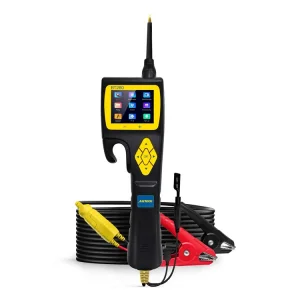
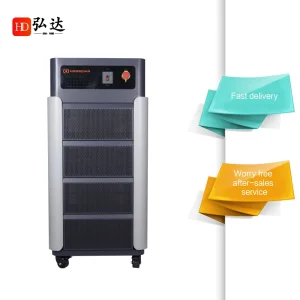
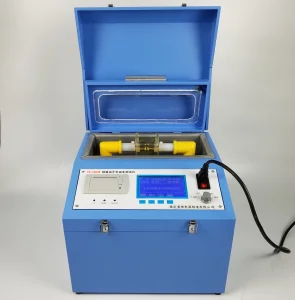
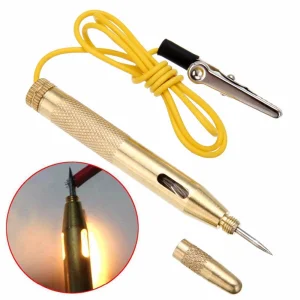
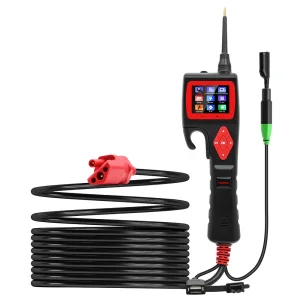
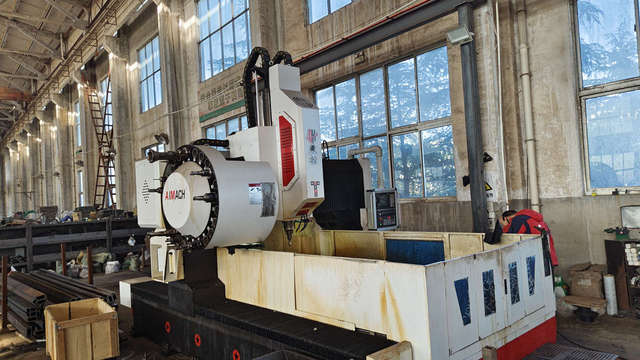
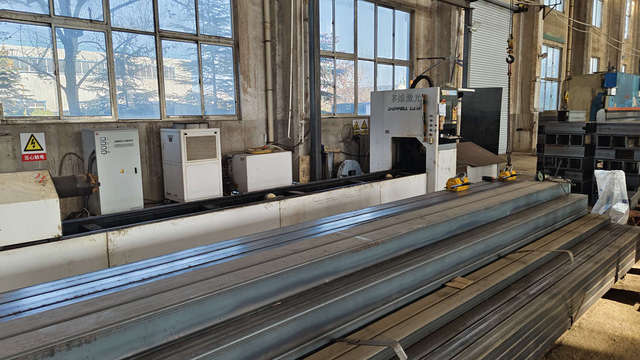
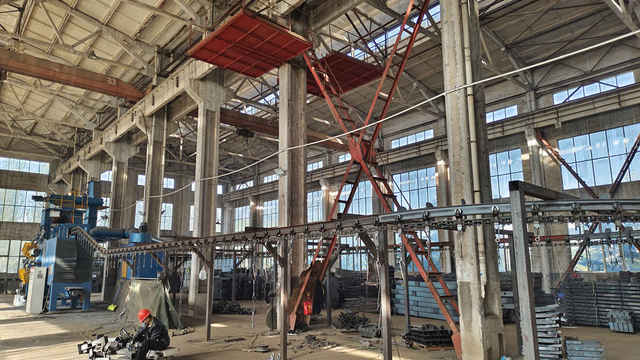
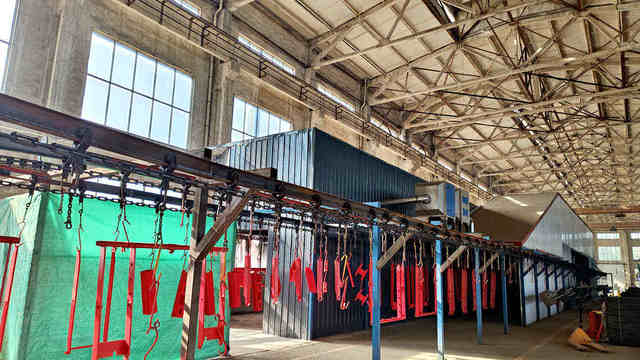
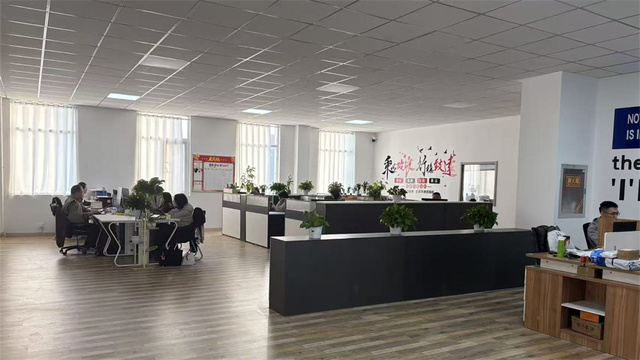
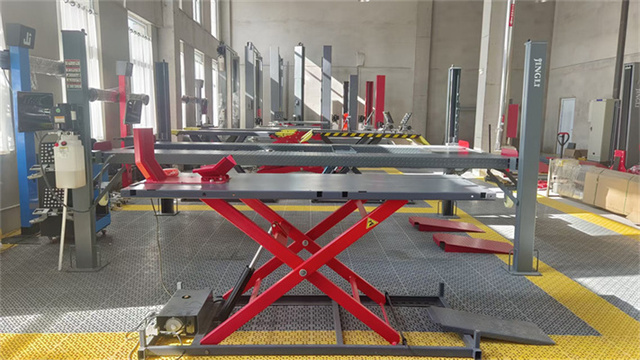
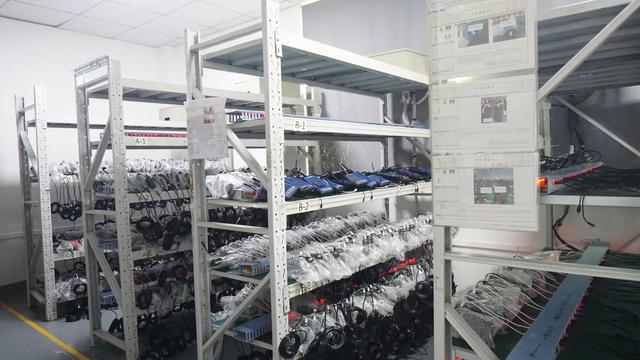
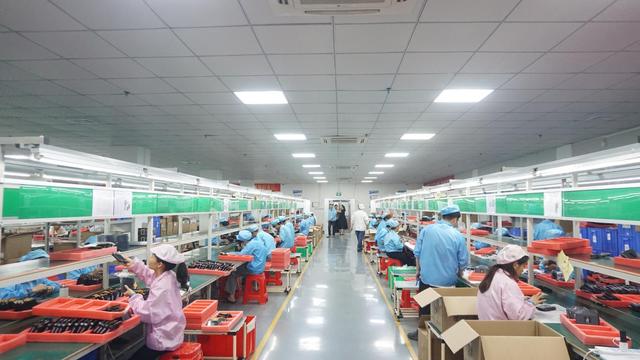
Inside the manufacturing facilities of Shenzhen Manata Scanner Co., Ltd. - Ensuring quality, precision, and reliable diagnostics.
Quality is central to Manata Scanner's manufacturing process. We implement strict quality management procedures throughout design, production, testing, and final inspection to ensure performance and long-term reliability. Our products are engineered to comply with international standards and are exported to customers across Europe, North America, South America, Southeast Asia, the Middle East, and other global markets.
Emerging trends and capabilities designed to meet the demands of modern repair environments.
Next-generation scanners utilize cloud database analytics to compare sensor readings against millions of reference patterns. This approach speeds up diagnostic times for complex, intermittent faults.
Vehicle-to-Grid (V2G) interfaces require testers that handle bidirectional power flow. Future systems will manage energy recycling back to local workshop grids during battery discharge diagnostic cycles.
Future workshop operations benefit from diagnostic tools that integrate battery pack health metrics, ADAS calibration data, and sensor diagnostics into a single dashboard.
Key answers for Australian importers, workshop operators, and automotive tool distributors.
Yes. All our products destined for the Australian market are engineered and verified to meet relevant international standards, including electromagnetic compatibility (EMC) regulations, carrying appropriate certification indicators to satisfy local importing compliance.
Our regenerative EV battery packs (such as the 60V100A 08CH/01CH series) convert DC power discharged from battery packs during testing cycles back into clean AC power. This energy is fed directly into the workshop's local electrical grid with over 90% efficiency, lowering utility costs and reducing thermal load compared to traditional resistive load banks.
Yes. Through our OEM/ODM custom services, we update diagnostic databases to cover domestic models, imports from Europe and Japan, and heavy trucks commonly found in the Australian transport and mining sectors.
Our field diagnostic tools are built with durable ABS/polycarbonate housing and protective rubber casting. Internal circuits are coated against humidity and dust ingress, making them suitable for use in extreme Australian temperatures.
Lead times depend on the level of customization. Standard batches ship within 15–20 working days. Orders requiring custom hardware enclosures or specialized local software configurations typically ship in 30–45 days.
Get custom product configurations, wholesale pricing sheets, and compliance verification reports tailored for the Australian market.
Send Inquiry Now Manata Scanner