Direct factory supply featuring standard-compliant OBD scanners, advanced EV analysis platforms, and workshop integration instruments.
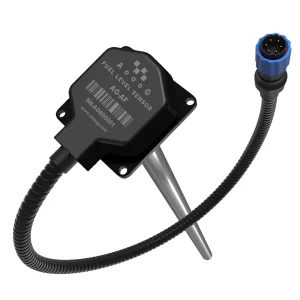
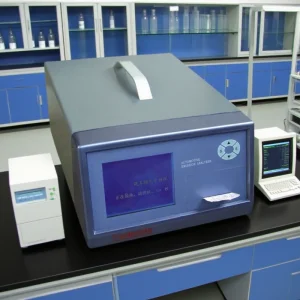
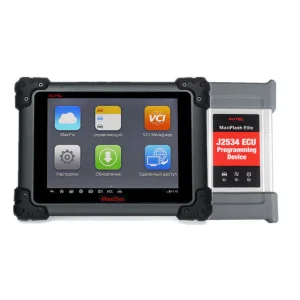
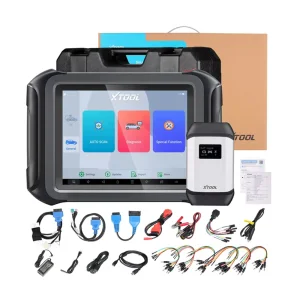
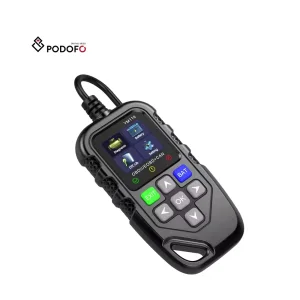
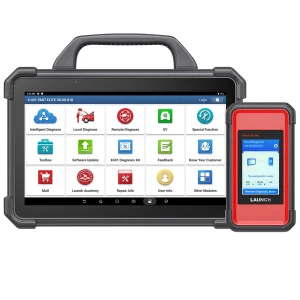
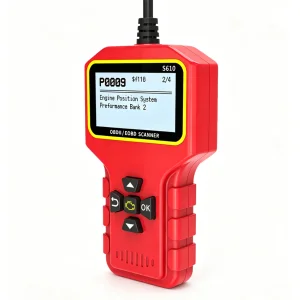
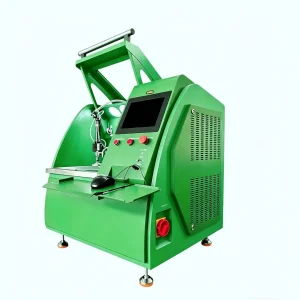
The global automotive diagnostic market is experiencing a profound transition driven by the hybridization of vehicular architectures, increasingly rigorous emissions mandates (such as Euro 6e/VI and EPA Tier 4), and the integration of ADAS frameworks. Diagnostic scanners are no longer isolated trouble code readers; they have evolved into critical nodes for network routing, secure gateway (SGW) authentication, and flash programming.
Devices Deployed Globally
Data Transmission Protocol
Diagnostic Response Latency
Certified Manufacturing Quality
An authoritative assessment of manufacturing capabilities, research frameworks, and technological roadmaps.
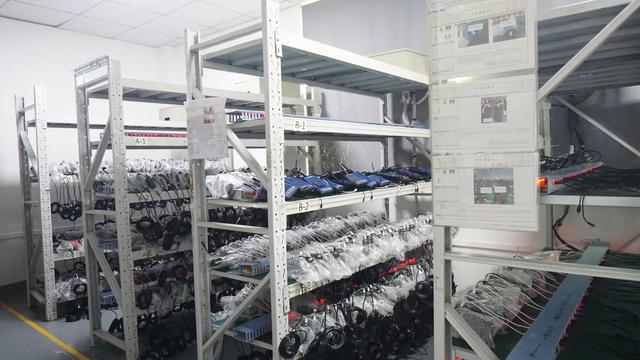
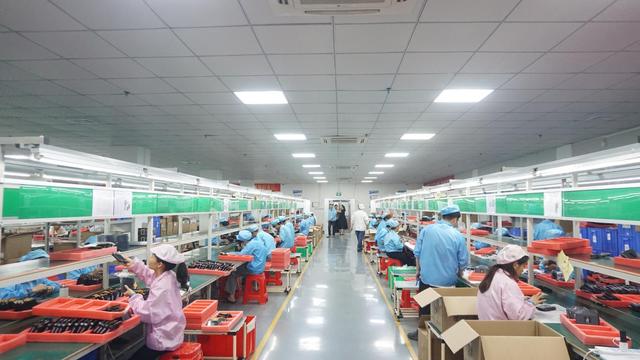
Located in Shenzhen, the silicon heart of hardware innovation, our facilities utilize highly automated Surface Mount Technology (SMT) lines to construct multi-layered PCBs. This concentration of advanced suppliers ensures minimal component latency, rapid hardware iteration, and rigorous vibration testing to survive workshop conditions.
Hardware is only as good as the software parser supporting it. Our R&D team continuously updates database maps encompassing more than 150 global automotive makes. Our firmware natively supports complex OBD-II/EOBD diagnostics, CAN FD transmission channels, and dynamic topology mapping of ECUs.
We mandate adherence to international standards. From emission monitoring via ISO 3930 to physical layer transceivers matching ISO 11898 specifications, all hardware products hold CE, FCC, and RoHS certifications. This ensures cross-border compliance and zero compatibility friction in foreign ports.
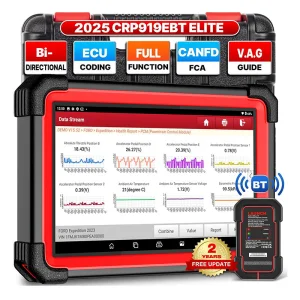
In modern automotive topologies, vehicle manufacturers are increasingly sealing off control units behind Secure Gateways (SGW) to prevent unauthorized CAN manipulation. We integrate licensed access directly into our diagnostic scanner software architectures (supporting FCA, Renault, and more), allowing technicians to perform bidirectional controls, clear codes, and execute adaptation cycles natively without needing external interface workarounds.
The rapid shift to New Energy Vehicles (NEVs) presents distinct diagnostic challenges. Legacy scanners relying on SAE J1979 PID maps fail to analyze high-voltage battery modules. Our EV specialized units (like the D9EV) establish direct communication channels to the Battery Management System (BMS) through specialized wiring harnesses and software bridges. Technicians can analyze battery cell voltage deviation, charge state (SOC), wear degradation (SOH), and isolation resistance indicators in real-time, which is vital for safe EV service operations.
Compare core architectures and software application targets for system selection.
| Equipment Category | Supported Protocols | Primary Target Market | Key Operational Feature |
|---|---|---|---|
| Professional ECU Programmer (e.g. MS908P) | SAE J2534, Pass-Thru, CAN FD, K-Line | Automotive Workshops & Tuning Experts | ECU parameter flashing, component coding & pairing |
| EV Battery Analyzer (e.g. D9EV) | BMS Custom Protocols, DoIP, CAN Bus | New Energy Service Hubs & Recyclers | Cell-by-cell voltage mapping, isolation test, SOH calculation |
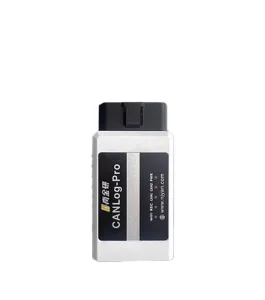
| Fleet CAN Loggers (e.g. Intlak Logger) | J1939, OBD-II, Wi-Fi 802.11 b/g/n | Logistics Operators & Telematics Providers | Continuous black-box CAN-bus data logging & remote upload |
| Emission & Workshop Testers (e.g. ISO 3930) | OIML Class 0/00 Compliance, Serial RS-232 | Government & Private Inspection Stations | Multi-gas exhaust analysis (CO, HC, CO2, O2, NOx) |
How regional environments dictate scanner parameters and how global buyers can safeguard their pipeline.
For workshops in highly regulated markets, ADAS static and dynamic calibrations must align with strict local safety mandates. Scanners like the Launch X-431 Pad VII integrate ADAS topology guides alongside J2534 pass-thru parameters, ensuring post-repair calibrations match OEM standards exactly. This integration mitigates liability concerns for regional automotive repair networks.
Fleet operations in South America, Africa, and Southeast Asia face challenging environmental parameters. Road vibrations, temperature extremes, and fluctuating power voltages during vehicle starts can ruin weak diagnostic hardware. Our hardware incorporates high circuit protection, dust-tight enclosures, and robust battery cells, ensuring uninterrupted fleet tracking and logging.
Technical insights resolving the most common integration and purchasing questions.
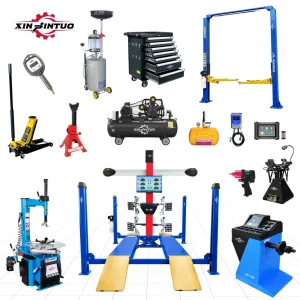
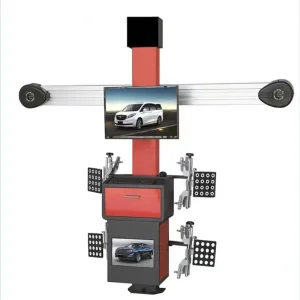
Equip your facility with comprehensive alignment, logging, and ADAS calibration components.

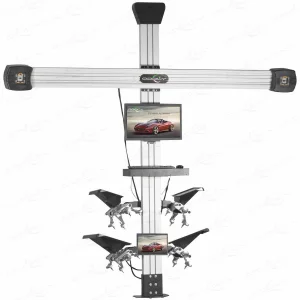
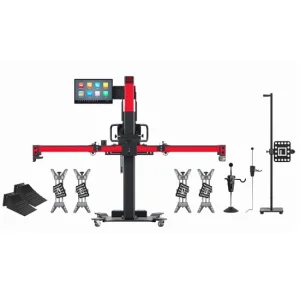
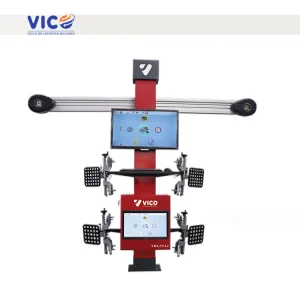
Shenzhen Manata Scanner Co., Ltd. is a leading China automotive diagnostic equipment manufacturer specializing in advanced vehicle inspection systems and ECU diagnostic solutions for the global automotive aftermarket. With a strong commitment to innovation, quality, and intelligent vehicle servicing, Manata Scanner delivers reliable diagnostic technologies designed to improve maintenance efficiency, reduce downtime, and support modern workshop operations.
Driven by continuous technological innovation, Shenzhen Manata Scanner Co., Ltd. integrates artificial intelligence, cloud connectivity, big data analysis, and advanced electronic testing technologies into its product development process. The company's R&D team focuses on creating intelligent, accurate, and user-friendly diagnostic solutions capable of meeting the evolving requirements of both conventional and new energy vehicles.
The company offers a comprehensive portfolio of automotive diagnostic equipment, including vehicle inspection systems, ECU programming and coding tools, automotive scan tools, ADAS calibration equipment, EV battery diagnostic systems, TPMS diagnostic devices, and intelligent fleet diagnostic solutions. These products are widely used by automotive repair workshops, vehicle inspection centers, dealerships, fleet operators, and maintenance service providers worldwide.
Quality is at the core of Manata Scanner's manufacturing philosophy. The company implements strict quality management procedures throughout design, production, testing, and final inspection to ensure stable performance and long-term reliability. Its products are engineered to comply with international standards and are exported to customers across Europe, North America, South America, Southeast Asia, the Middle East, and other global markets.
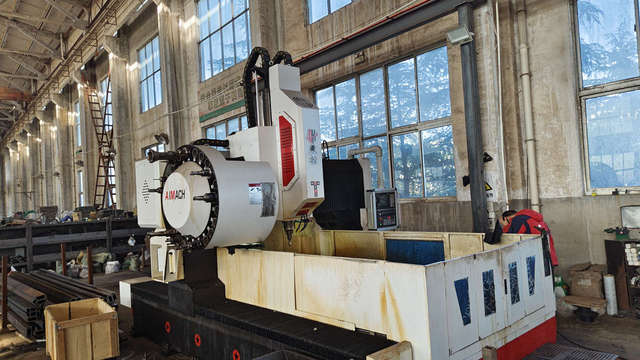

 Manata Scanner