Discover state-of-the-art diagnostic instruments designed for vehicle testing calibration, high-voltage battery analysis, and signal visualization.
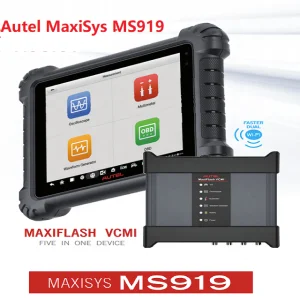
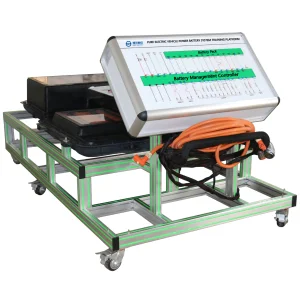
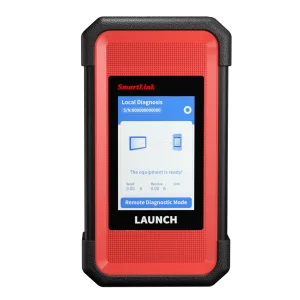
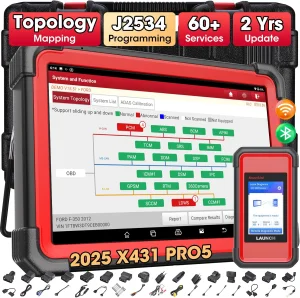
Analyzing the shift from OBD serial diagnostics to physical-layer wave analysis in high-frequency automotive networking systems.
As vehicle multiplex systems scale up to 10Mbps, signal reflection, structural anomalies, and high noise emissions call for real-time bus physical-layer waveform validation.
Analyzing pulse-width modulation (PWM) control outputs in multi-phase drive systems demands isolated differential probes and high bandwidth scopes to track gate-driver responses safely.
Conventional scanners read DTCs after the issue occurs. Deep buffer automotive oscilloscopes capture microsecond drops in sensor reference voltage as they happen.
In the rapidly changing automotive diagnostic industry, relying solely on standard OBD-II trouble codes is no longer sufficient. Modern vehicles contain up to 100 Electronic Control Units (ECUs) controlling complex networks. High-speed ADAS camera signals, radar systems, and battery management systems run on physical structures that operate outside the processing range of a typical microcontroller's register-level diagnostic logs. This has established Automotive Oscilloscopes as vital instruments for professional repair centers, quality inspection agencies, and OEM production facilities globally.
By utilizing specialized high-speed analog-to-digital converters (ADCs), automotive oscilloscopes capture voltage-over-time plots at up to 100 million samples per second. This enables diagnosticians to view ignition coils, injector solenoids, crankshaft position sensors, and communication buses with absolute clarity. It ensures that transient ground-loops, high-resistance connections, and electromagnetic interference are identified before replacing expensive control components.
An overview of market demands, regional supply chains, and technical engineering requirements shaping the global market.
The global market for automotive oscilloscopes is driven by strict emission standards, autonomous driving technologies, and the rapid shift to battery electric vehicles (BEVs). European workshops require advanced diagnostic tools due to complex safety systems, while North American markets demand high-bandwidth multi-channel tools to service heavy-duty freight fleets.
As manufacturing hubs integrate advanced assembly systems, manufacturers located in Shenzhen, China, have optimized supply chains to deliver dual-mode instrumentation—combining intelligent diagnostics with hardware measurement systems. Global suppliers balance high-frequency, high-isolation specifications with rugged housing structures that resist oil, impact, and heat on shop floors.
An objective comparison of the leading brands, technical designs, and integration capabilities in the automotive diagnostic industry.
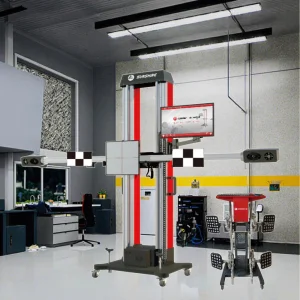
Key Advantages: High-integrity systems integration, including EV battery pack diagnostics, ADAS alignment calibration, and remote diagnostic solutions.
Manata Scanner specializes in diagnostic setups that bridge high-frequency signal analysis with direct ECU flashing and programming. Their systems allow technicians to switch between scan tool functions and real-time waveform capture, minimizing testing downtime.
Key Advantages: Industry-standard software interface, high vertical resolution (12-bit to 16-bit FlexResolution), and an expansive guided tests database.
Based in the United Kingdom, Pico Technology is a leading name in PC-based automotive oscilloscopes. Their PicoScope 4000 series is widely used by OEM dealerships and independent laboratories globally.
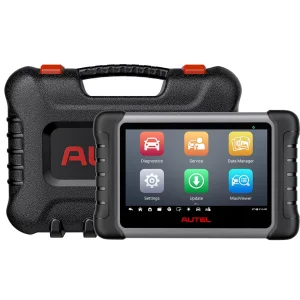
Key Advantages: Seamless integration of the MaxiScope MP408 into their Android-based MaxiSys tablets, enabling portable multi-system measurements.
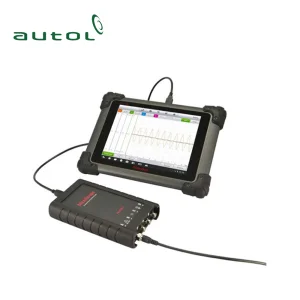
Autel offers systems that display vehicle code scanner output alongside live oscilloscope waveforms on a single screen, helping technicians easily correlate software trouble codes with physical signal faults.
Key Advantages: Modular hardware design (Scopebox extension) combined with comprehensive remote programming interfaces.
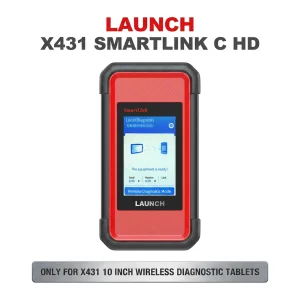
Launch provides add-on oscilloscope modules for their popular X431 scanner family. This allows workshops to expand their diagnostic capabilities without purchasing standalone display units.
Key Advantages: Cost-effective multi-channel USB scopes, portable handheld designs, and accessible software libraries.
Hantek's 8-channel and 4-channel PC scopes are popular choices for educational institutions, independent workshops, and diagnostics teams seeking high performance on a practical budget.
Key Advantages: Rugged, dedicated diagnostic consoles, integrated component databases, and professional training support.
Snap-on's high-end hand-held diagnostic systems include built-in laboratory scopes, guided tests, and an extensive database of verified waveform signatures.
Key Advantages: Deep OEM integration, comprehensive database resources, and high manufacturing quality.
Bosch's MTS and FSA series oscilloscopes provide workshops with dealer-level test sequences and detailed technical information databases for complex European vehicles.
Key Advantages: High bandwidth, deep memory capability, and precise analog-to-digital conversion systems.
While Siglent produces general laboratory test equipment, their high-speed handheld digital oscilloscopes are widely used for analyzing CAN-FD networks and high-voltage EV components.
Key Advantages: High-resolution measurements, multi-channel combinations, and specialized noise-filtering options.
TiePie's USB-based automotive oscilloscopes are manufactured in Europe and are known for their high measurement resolution and robust protection against input voltage spikes.
Key Advantages: Extremely rugged, double-insulated handheld scopes designed for field service and high-voltage vehicle applications.
Fluke's ScopeMeter series is built for harsh industrial environments, offering high electrical protection (CAT III 1000V/CAT IV 600V) suitable for testing high-voltage EV drivetrains.
A closer look at Manata Scanner's manufacturing processes, R&D investments, and compliance standards for global export markets.
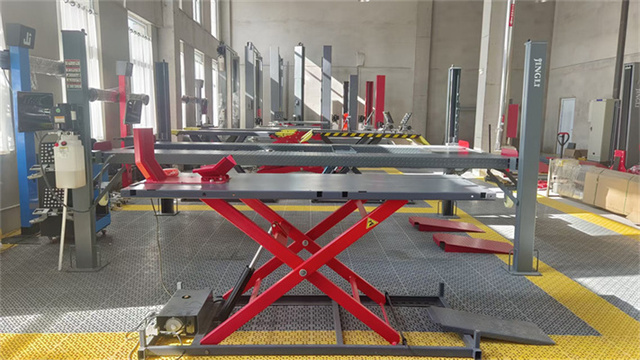
Shenzhen Manata Scanner Co., Ltd. is a leading China automotive diagnostic equipment manufacturer specializing in advanced vehicle inspection systems and ECU diagnostic solutions for the global automotive aftermarket. With a strong commitment to innovation, quality, and intelligent vehicle servicing, Manata Scanner delivers reliable diagnostic technologies designed to improve maintenance efficiency, reduce downtime, and support modern workshop operations.
The company offers a comprehensive portfolio of automotive diagnostic equipment, including vehicle inspection systems, ECU programming and coding tools, automotive scan tools, ADAS calibration equipment, EV battery diagnostic systems, TPMS diagnostic devices, and intelligent fleet diagnostic solutions. These products are widely used by automotive repair workshops, vehicle inspection centers, dealerships, fleet operators, and maintenance service providers worldwide.
Driven by continuous technological innovation, Shenzhen Manata Scanner Co., Ltd. integrates artificial intelligence, cloud connectivity, big data analysis, and advanced electronic testing technologies into its product development process. The company's R&D team focuses on creating intelligent, accurate, and user-friendly diagnostic solutions capable of meeting the evolving requirements of both conventional and new energy vehicles.
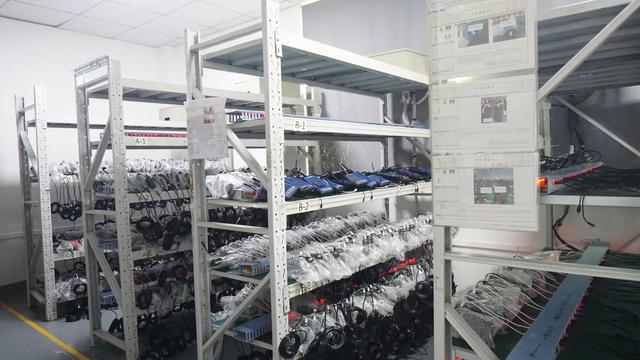
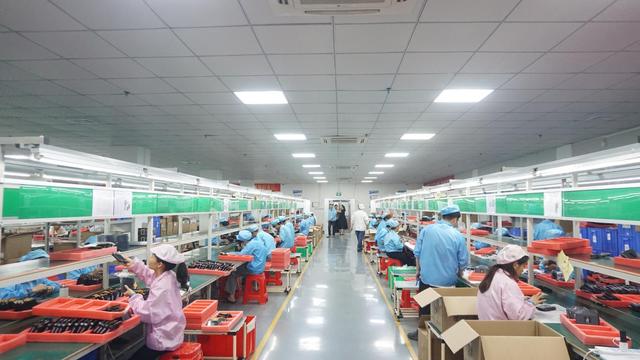
Quality is at the core of Manata Scanner's manufacturing philosophy. The company implements strict quality management procedures throughout design, production, testing, and final inspection to ensure stable performance and long-term reliability. Its products are engineered to comply with international standards and are exported to customers across Europe, North America, South America, Southeast Asia, the Middle East, and other global markets.

Ensuring equipment safety, electromagnetic compliance, and technical support across global regions.
All high-frequency measuring instruments must comply with EMC regulations (EN 61326-1) to verify they remain unaffected by electromagnetic noise from nearby vehicle systems and workshop equipment.
To meet ISO 9001 and ISO/IEC 17025 certification requirements, diagnostic tools must support routine software-based self-calibration, with hardware calibration options traceable to national standards.
Global exporters provide multi-language UI systems, digital libraries of reference waveforms, and direct firmware updates to help workshops analyze vehicle models across various regional markets.
Analyzing future trends, including cloud-connected database systems, integrated AI diagnostics, and high-bandwidth requirements.
The future of automotive oscilloscopes points toward integrated cloud platforms. As vehicles adopt centralized computing architectures and Gigabit Ethernet communication networks, modern scopes require bandwidth exceeding 200 MHz and vertical resolutions of at least 12 bits to cleanly view high-frequency signals.
Artificial intelligence will increasingly assist technicians in analyzing waveforms. Instead of manually configuring time divisions, trigger levels, and vertical channels, automated algorithms will recognize incoming signal types, compare them against cloud databases of healthy reference waves, and highlight anomalies. Furthermore, as EV technology scales to 800V architectures, isolated differential inputs will become a standard safety requirement, protecting diagnostic hardware and workshop technicians from electrical surges.
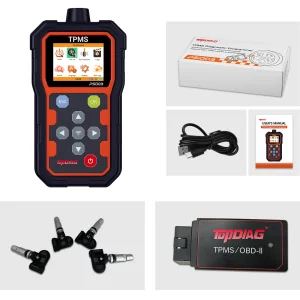
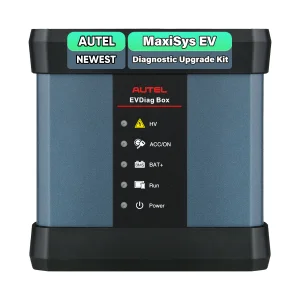
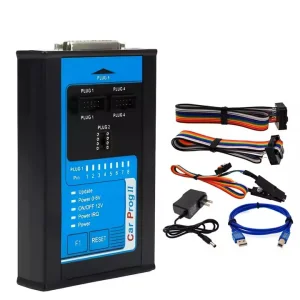
Expand your diagnostic tools with our collection of programmers, TPMS devices, scope interfaces, and ADAS alignment tools.
Expert answers to common questions about selecting, applying, and configuring automotive oscilloscopes.
 Manata Scanner