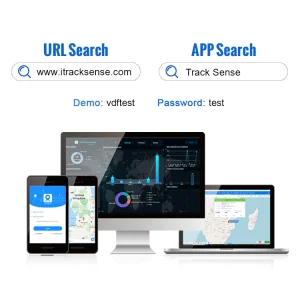
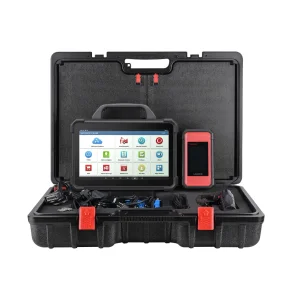
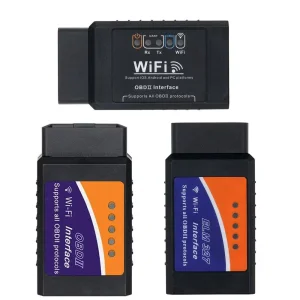
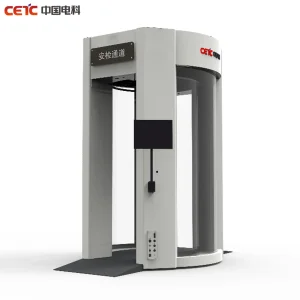
Discover our comprehensive portfolio of vehicle diagnostic, fleet tracking, and EV testing hardware designed for global commercial and industrial applications.
Years OEM/ODM R&D Experience
Supported Protocols (CAN FD, DoIP)
Global Export Markets
EEAT Standard Compliant Testing
The global automotive aftermarket is undergoing a profound paradigm shift. Traditional, bulky standalone diagnostic scanners are rapidly being replaced by software-defined diagnostic architectures. Through the rise of high-speed Bluetooth Low Energy (BLE), CAN FD (Flexible Data-rate), and DoIP (Diagnostics over Internet Protocol), modern vehicle diagnostic systems have evolved into integrated mobile ecosystems. Vehicle diagnostic applications—connected directly to compact vehicle communication interfaces (VCI)—now deliver dealer-level fault analysis, ECU coding, live data logging, and predictive maintenance algorithms straight to tablets, smartphones, and industrial cloud platforms.
Today, workshops, fleet management operators, insurance companies, and car rental platforms require customized, robust software tools. In the commercial vehicle sector, diagnostics apps are integrated with advanced telematics systems to perform continuous emission checking, heavy-duty truck diagnostics (using SAE J1939 protocols), and live sensor analysis. The rapid integration of Electric Vehicles (EVs) has further introduced complex diagnostics requirements, such as real-time state of health (SOH) evaluations of high-voltage battery packs, cell balancing checks, and thermal runaway monitoring.
Building a commercial-grade vehicle diagnostic app demands seamless hardware-software synchronization. As a leading manufacturer and software development center, Shenzhen Manata Scanner Co., Ltd. specializes in delivering complete, end-to-end OEM/ODM systems that cover all layers of the vehicle communications network:
Customized OBDII dongles, J2534 Passthru tools, and DoIP modules powered by robust chipsets (e.g., STM32, ESP32) engineered to withstand harsh automotive environments and ensure low-latency data streaming.
Native support for Unified Diagnostic Services (UDS - ISO 14229), K-Line (ISO 9141-2 / ISO 14230), CAN 2.0A/B, CAN FD, and SAE J1850. Custom cryptographic handshake implementations secure connection protocols.
Comprehensive Software Development Kits (SDKs) and APIs for iOS, Android, Windows, and Linux. Allowing enterprises to build custom UI skins, direct database syncs, and proprietary diagnostic flows.
Developing high-quality diagnostic adapters and systems requires both software sophistication and high-volume, reliable hardware manufacturing. Located in China’s tech hub, Shenzhen Manata Scanner Co., Ltd. leverages a highly integrated industrial ecosystem to offer unmatched turnaround times, cost-effectiveness, and quality control:
Different markets present distinct diagnostic challenges, regulatory landscapes, and user behaviors. A professional OEM/ODM supplier must possess deep insight into localized needs:
In the US and Canadian markets, fleet optimization is a vital segment. Fleet managers utilize custom J1939 and OBDII interfaces combined with diagnostic apps to monitor real-time fuel efficiency, track localized GPS telemetry, and catch engine misfires or DPF (Diesel Particulate Filter) soot build-up before they cause costly breakdowns on the road. High compliance with FCC and RoHS certifications is mandatory.
The European market demands strict compliance with Euro 6 emission standards and relies heavily on precise diagnostic scanning of Diesel Exhaust Fluid (AdBlue) systems. With the rapid growth of the European EV market, workshops require advanced software tools to run diagnostic protocols on electric vehicle drivetrains and execute accurate regenerative battery tests to certify the SOH of used EVs.
The APAC region is home to highly diverse vehicle brands. Diagnostic apps must support a broad range of domestic vehicles and proprietary EV battery configurations. OEM solutions often require multi-language support (English, Japanese, Korean, Thai, Vietnamese, Hindi) and local cloud hosting configurations to guarantee low latency.
When selecting a Chinese manufacturer for OEM/ODM diagnostic apps and VCI hardware, professional buyers must evaluate criteria beyond mere pricing. Establishing a solid supply agreement requires focusing on the following critical pillars:
Exploring advanced technology integrations shaping the future of vehicle diagnostics and workshop workflows.
Integrating Machine Learning models directly inside diagnostic apps to analyze live sensor streams and accurately predict components at risk of failure, dramatically reducing unexpected downtime.
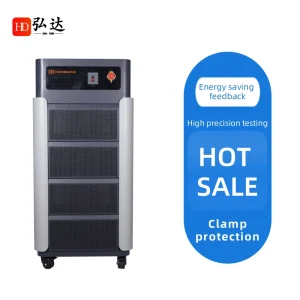
Harnessing advanced regenerative testers with built-in grid feedback to evaluate high-voltage EV battery performance, reducing energy waste and ensuring precise cell safety diagnostics.
Remotely pushing software updates, ECU firmware fixes, and expanded DTC code libraries directly to dynamic mobile applications without requiring physical product returns.
Get answers to the most common queries regarding OEM/ODM development, product configurations, and system capability integration.
Explore our specialty tools, high-voltage battery testers, custom vehicle controllers, and professional workshop equipment.
Take a look inside our high-tech electronics facility, assembly floor, and state-of-the-art diagnostic validation environments.
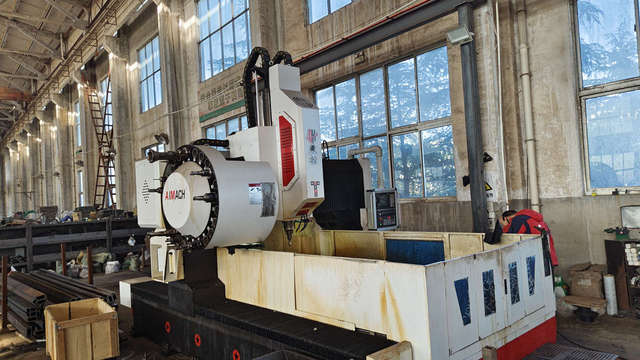
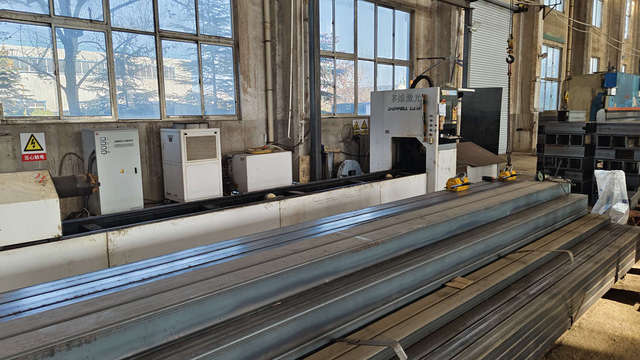
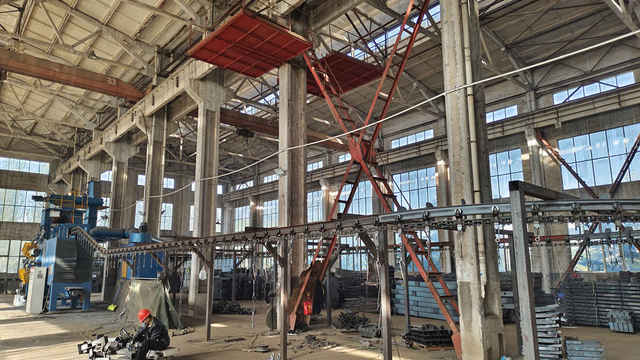
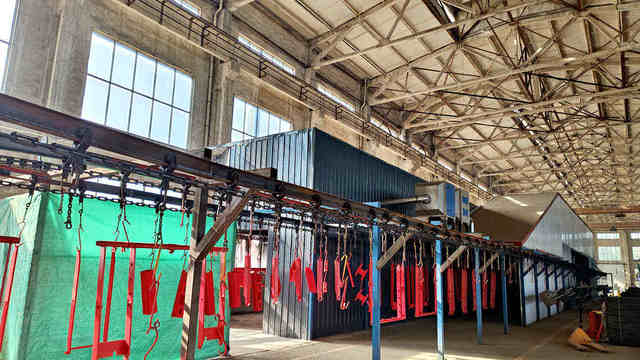
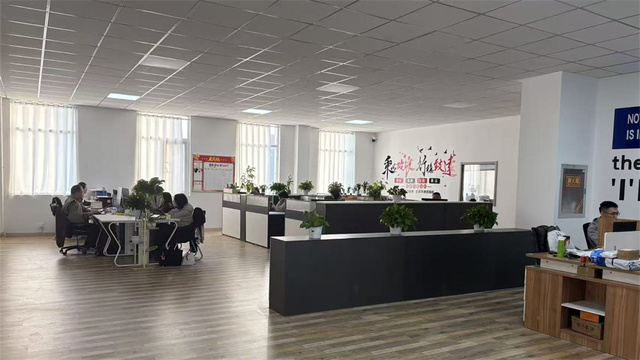
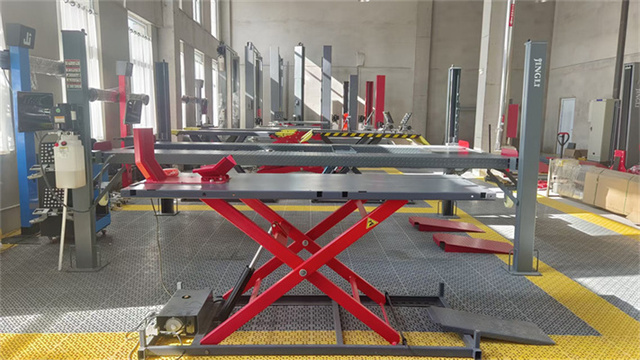
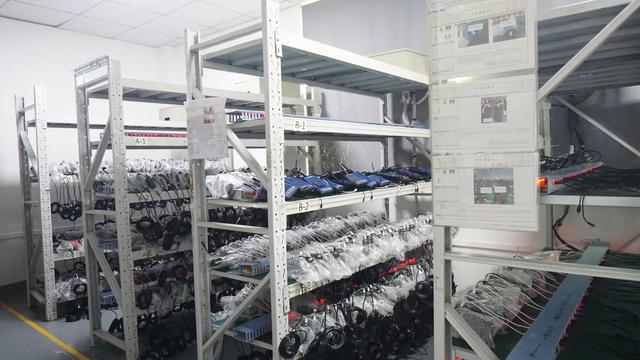
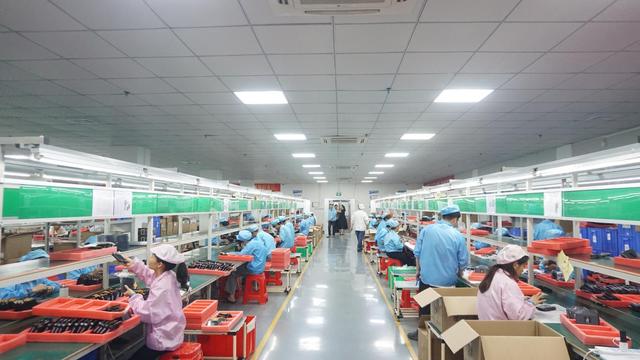
Shenzhen Manata Scanner Co., Ltd. is a leading China automotive diagnostic equipment manufacturer specializing in advanced vehicle inspection systems and ECU diagnostic solutions for the global automotive aftermarket. With a strong commitment to innovation, quality, and intelligent vehicle servicing, Manata Scanner delivers reliable diagnostic technologies designed to improve maintenance efficiency, reduce downtime, and support modern workshop operations.
The company offers a comprehensive portfolio of automotive diagnostic equipment, including vehicle inspection systems, ECU programming and coding tools, automotive scan tools, ADAS calibration equipment, EV battery diagnostic systems, TPMS diagnostic devices, and intelligent fleet diagnostic solutions. These products are widely used by automotive repair workshops, vehicle inspection centers, dealerships, fleet operators, and maintenance service providers worldwide.
Driven by continuous technological innovation, Shenzhen Manata Scanner Co., Ltd. integrates artificial intelligence, cloud connectivity, big data analysis, and advanced electronic testing technologies into its product development process. The company's R&D team focuses on creating intelligent, accurate, and user-friendly diagnostic solutions capable of meeting the evolving requirements of both conventional and new energy vehicles.
Quality is at the core of Manata Scanner's manufacturing philosophy. The company implements strict quality management procedures throughout design, production, testing, and final inspection to ensure stable performance and long-term reliability. Its products are engineered to comply with international standards and are exported to customers across Europe, North America, South America, Southeast Asia, the Middle East, and other global markets.
Committed to becoming a trusted global partner in automotive diagnostics, Shenzhen Manata Scanner Co., Ltd. continues to provide innovative products, professional technical support, and customized solutions that help customers enhance service capabilities and operational efficiency.
 Manata Scanner