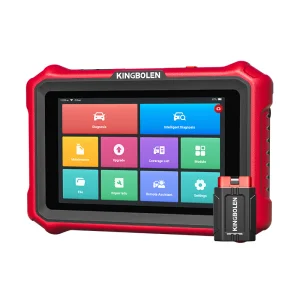
High-performance auto scanners, EV testers, and telematics systems designed for precision fleet operations and industrial vehicle maintenance.
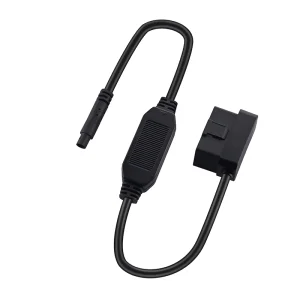
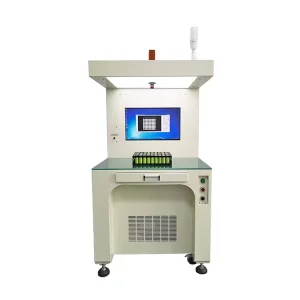
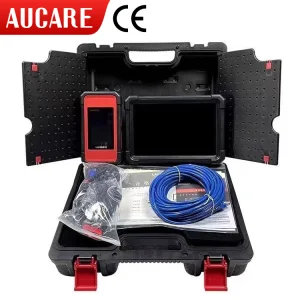
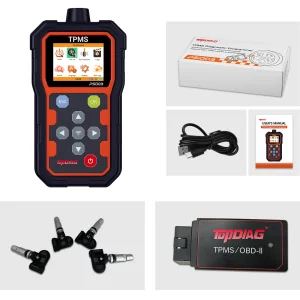
An executive overview of diagnostic architectures, telematics integration, and hardware customizability for global enterprise fleet operators.
Fleet operators are shifting from periodic diagnostics to continuous real-time diagnostic systems. Edge computing on modern vehicle nodes allows diagnostics tools to translate OBD-II, SAE J1939, and CAN bus data internally, transmitting only crucial anomalies to remote management software. This reduces latency, saves bandwidth, and enables preventative maintenance before critical mechanical failures occur.
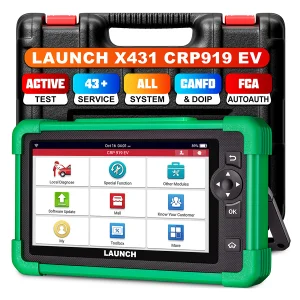
The rapid integration of New Energy Vehicles (NEVs) into logistics networks poses new challenges. Traditional scan tools cannot access high-voltage EV battery pack data. Modern OBD2 diagnostic scanners, such as the LAUNCH CRP919 EV, are engineered to inspect cell balancing, calculate state of health (SoH), monitor thermal systems, and isolate high-voltage failures, ensuring safety and performance for electric commercial vehicle fleets.
Global shipping routes rely on mixed fleets containing light commercial vehicles, medium vans, and heavy-duty class 8 trucks. Advanced diagnostic devices must offer multi-protocol compatibility, allowing seamless transitions between SAE J1939 (standard for heavy duty diesel fleets) and traditional K-line/CAN protocols. This cross-compatibility maximizes garage utility and minimizes fleet downtime.
For international supply chain managers and global fleet procurers, choosing a diagnostic device supplier is about long-term reliability and compliance. Products must align with regional safety, radio frequency, and material regulations.
"Security, interoperability, and durability are the three pillars of modern enterprise telematics procurement."
Key standards include CE, FCC, RoHS, and specialized vehicle-industry certifications. Modern diagnostic tools also require integration compatibility via robust SDKs and APIs so that collected telemetry can directly feed enterprise resource management databases (ERP) and fleet management software.
How Shenzhen Manata Scanner Co., Ltd. leverages modern smart factories and optimized supply chains to deliver high-quality, customized OEM/ODM vehicle diagnostic tools globally.
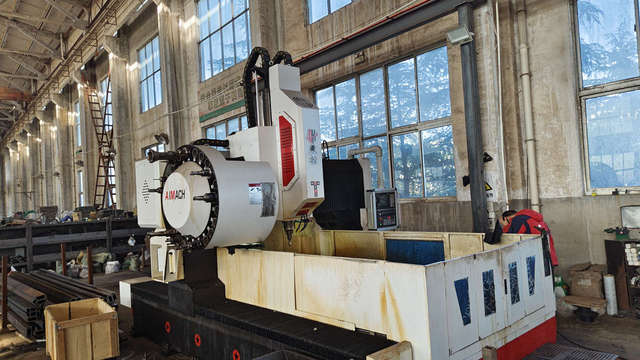
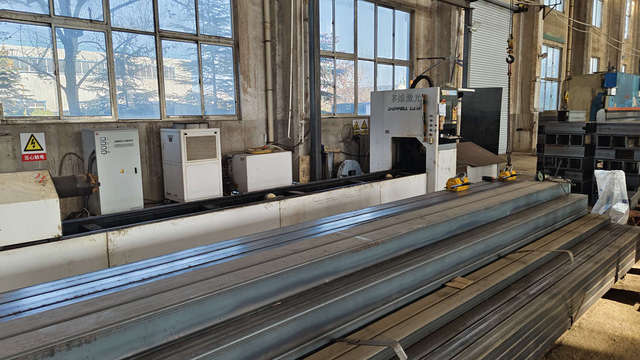
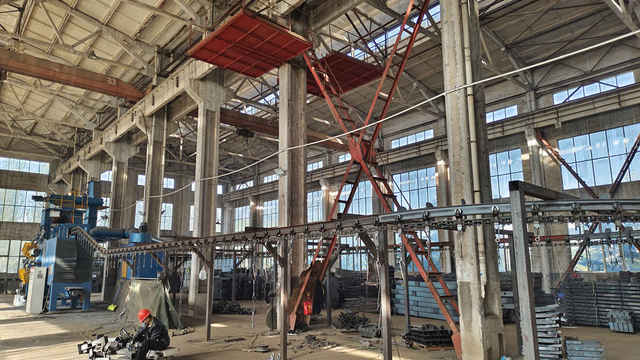
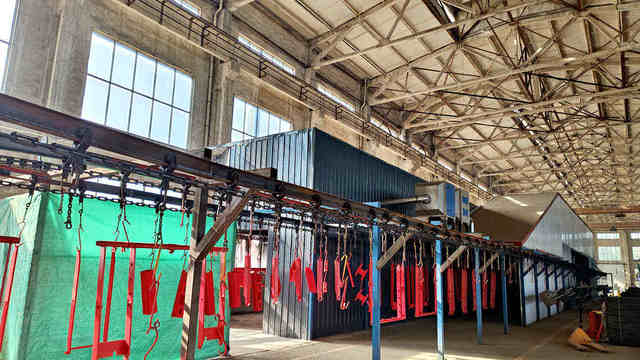
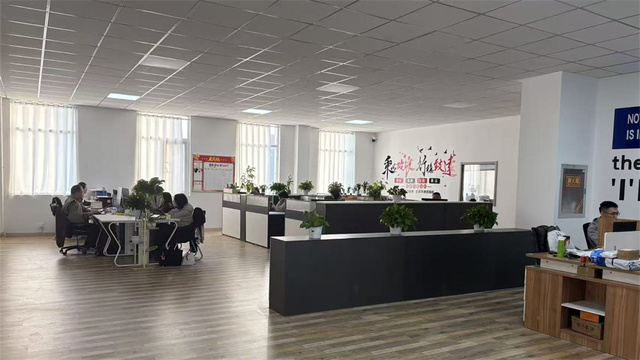
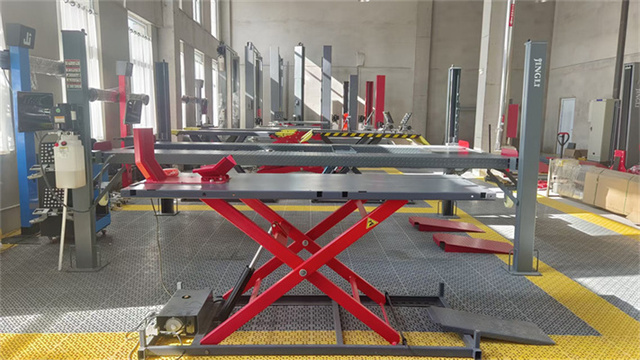
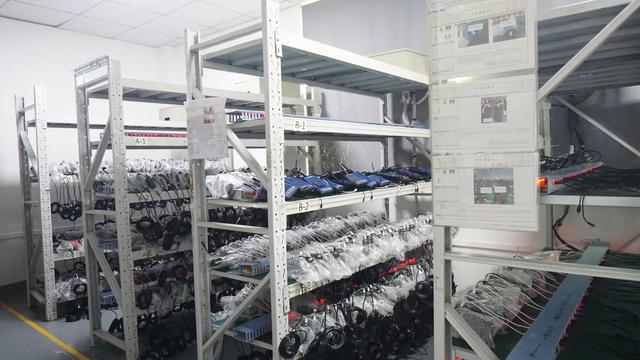
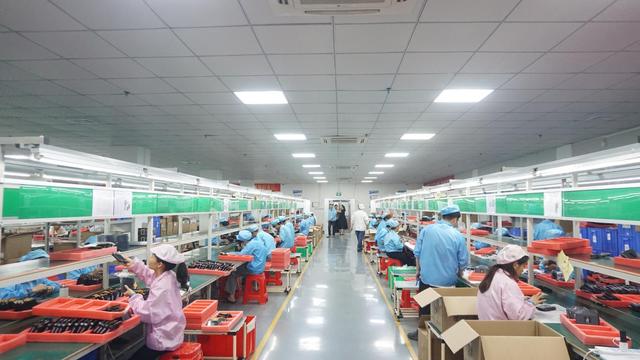
Shenzhen Manata Scanner Co., Ltd. stands as a premier automotive diagnostic equipment manufacturer specializing in advanced vehicle inspection systems and ECU diagnostic solutions for the global automotive aftermarket. Our Factory 4.0 infrastructure operates in the heart of Shenzhen, China's hardware capital, providing access to a dense supply chain network of high-grade semiconductors, optical elements, and reliable assembly facilities.
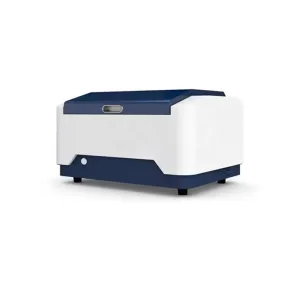
By incorporating advanced AI technology, automated SMT lines, direct-reading optical emission spectrometers (OES) for alloy component inspections, and automated optical checkups (AOI), we maintain strict quality controls across every step of design, PCB routing, case molding, and programming validation.
This localized efficiency directly translates to major benefits for international clients. We can easily scale production, customize hardware configurations, adjust TPMS frequencies (e.g., 315MHz vs 433MHz), or provide specialized white-labeled software interfaces matching fleet operations. With a focus on long-term stability and resilience, Manata Scanner is an elite partner capable of handling demanding global logistics needs.
Discover how our customized Fleet Diagnostic and Telematics devices perform under diverse global conditions.
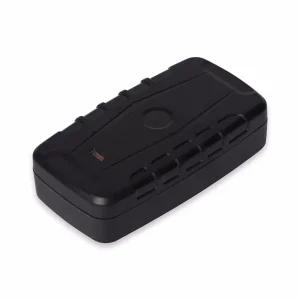
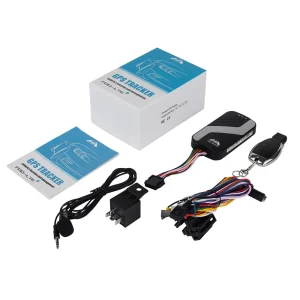
In the vast expanses of the USA and Canada, heavy duty trucks travel thousands of miles through extreme weather. Coban TK403D 4G GPS trackers paired with heavy duty diagnostic tools allow remote diagnostic coordinators in central offices to view engine faults, verify mileage logs, monitor fuel consumption, and preemptively schedule garage checkups, minimizing expensive roadside assistance calls.
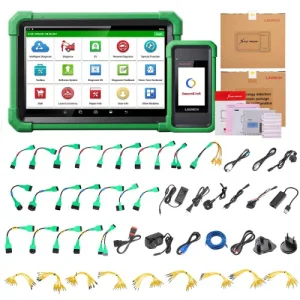
With strict emission zones in major European cities, delivery companies are rapidly transitioning to EV vans. Our specialized diagnostic tools, including the Launch CRP919 EV scanner and X431 EV Diagnostic Kit, inspect battery pack health, assess cell degradation, check thermal stability, and ensure compliance with strict urban green shipping policies while protecting fleet efficiency.
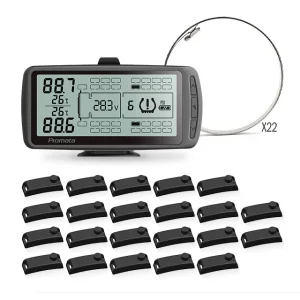
Operating in environments filled with dust, intense heat, and high vibrations, heavy machinery fleets require rugged hardware. Manata Scanner builds custom ODM diagnostic enclosures featuring dustproof seals, physical drop protection, and high-frequency TPMS monitoring tools (up to 110 wheels) to guarantee that tire heat and pressure metrics remain within safe parameters in remote mining environments.
Answers to complex inquiries regarding customization, system integrations, protocols, and production cycles.
Our OEM/ODM services cover every design stage. We offer custom enclosure designs (with logo embossing and custom colors), custom printed circuit boards (PCBs), firmware adjustments for specific telematics protocols, customized TPMS sensors, and bespoke software branding (white-label diagnostics interfaces). Minimum Order Quantities (MOQs) depend on the depth of personalization required.
Equipment like the LAUNCH CRP919 EV scanner and Launch X431 EV Diagnostic Kit read battery state-of-health (SoH) metrics directly via the BMS (Battery Management System). They bypass standard OBD2 codes to analyze high-voltage battery voltages, module balance profiles, thermal management performance, and insulation integrity, which are critical parameters for the longevity and safety of commercial EV fleets.
Yes. Our advanced 4G GPS trackers and smart diagnostic systems can transmit telemetry data in raw HEX, JSON, or standard MQTT formats over TCP/UDP channels. This makes it straightforward to integrate real-time diagnostic and location coordinates into proprietary fleet databases, route optimization software, and safety monitoring interfaces.
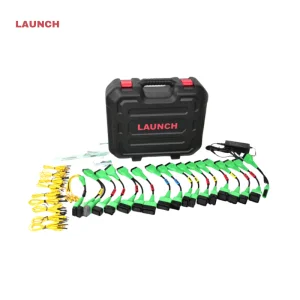
Our heavy-duty diagnostic tools support standard commercial protocols including SAE J1939 and J1708, alongside conventional OBD-II CAN bus, K-line protocols, and Diagnostics over Internet Protocol (DoIP). This guarantees coverage from class-8 haulers to urban cargo vans and passenger fleet vehicles.
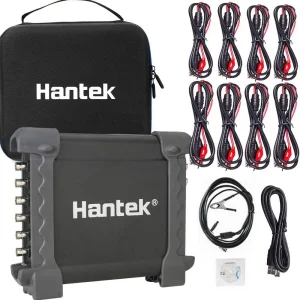
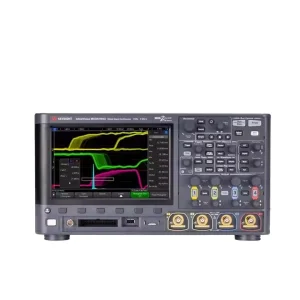
High-precision workshop instruments, laboratory scopes, and specialized EV battery pack analyzers for advanced setups.
 Manata Scanner