The global automotive sector is undergoing an unprecedented transition toward electromobility (EV). As high-voltage lithium-ion battery packs replace traditional internal combustion engines, the methodologies for vehicle maintenance, hazard diagnostics, and lifespan optimization must change too. For automotive OEMs, fleet operators, and aftermarket repair networks, accessing deep, accurate, and actionable battery data is no longer optional—it is a regulatory and financial imperative.
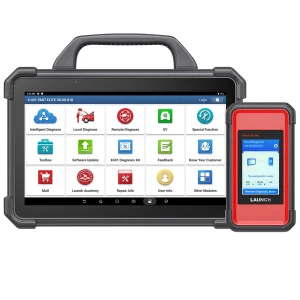
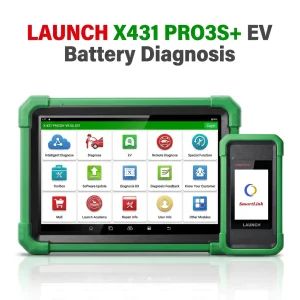
EV Battery testing requires highly specialized equipment capable of handling high-voltage architectures (often exceeding 400V to 800V DC). Diagnostic tools must interface directly with the Battery Management System (BMS) via proprietary protocols, read cell-level voltage balances, estimate State of Health (SoH) and State of Charge (SoC), monitor temperature differentials, and isolate ground faults. This is where professional OEM/ODM EV Battery Test Tool Suppliers & Exporters provide vital support to modern automotive repair workshops worldwide.
International quality and environmental directives are driving the adoption of standardized EV battery diagnostic solutions. In Europe, the implementation of the EU Battery Passport mandates traceably documented lifespans, performance indicators, and material compositions for all batteries entering the market. Similarly, North American regulatory bodies are pushing for standardized state-of-health diagnostics to assist consumers in evaluating pre-owned electric vehicles.
Rapid determination of battery health is critical for repurposing retired traction batteries into stationary energy storage systems (ESS).
Assessing battery cells for internal short circuits or mechanical structural anomalies prior to chemical recycling to prevent thermal runaway events.
Establishing empirical battery diagnostic datasets to settle insurance claims and verify remaining warranty values under commercial standards.
Our R&D team at Shenzhen Manata Scanner Co., Ltd. continuously pushes the boundaries of hardware and firmware performance. Modern EV battery diagnostics go beyond standard OBD2 code reading. Advanced tools integrate multiple test modalities:
High-voltage battery packs communicate data via complex multiplexed networks. Our diagnostic platforms feature hardware support for Controller Area Network Flexible Data-Rate (CAN-FD) and Diagnostics over IP (DoIP). This guarantees error-free communication with modern vehicle architectures like VAG, Tesla, BMW, and BYD, enabling quick diagnostic feedback.
By combining raw electrical signals (cell voltages, internal resistances) with thermal imaging data and cooling loop feedback, our systems run advanced models to discover micro-faults inside battery packs before they present physical hazards or lead to cell failure.
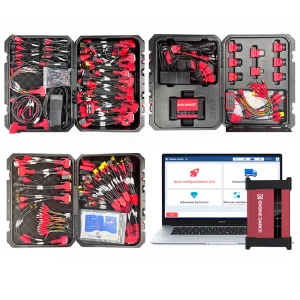
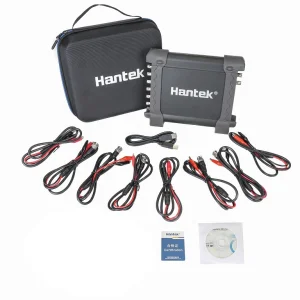
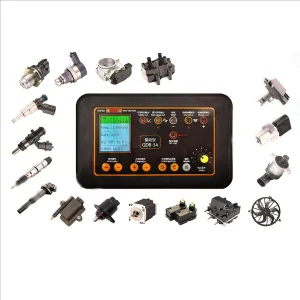
Using signal generators and diagnostic sensor simulators (such as the QDB-3A and automotive oscilloscopes like the Hantek 1008C), engineers can isolate external sensors (e.g., NTC temperature probes, voltage monitors) to determine whether battery faults originate within the cell chemistry itself or from a faulty external control circuit.
Automotive maintenance dynamics vary across global markets. Designing specialized diagnostic solutions requires an understanding of localized environments:
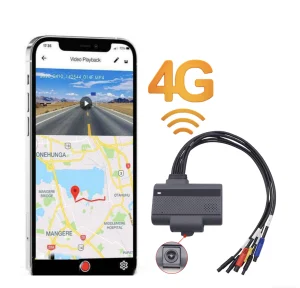
Long-haul transit lines rely on real-time data loggers and multi-channel GPS MDVR recorders to track fleet health. Diagnostic information is cross-referenced with telematics profiles, allowing logistics coordinators to detect early battery thermal deviations in transit.
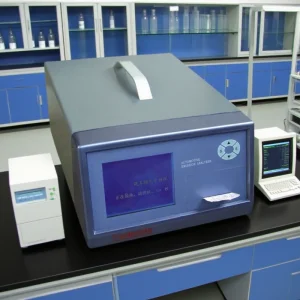
With strict emissions regulations in city centers, urban passenger carriers and commercial fleets use ISO 3930 exhaust gas analyzers alongside high-precision battery health scanners to ensure vehicles remain fully compliant with regional environmental mandates.
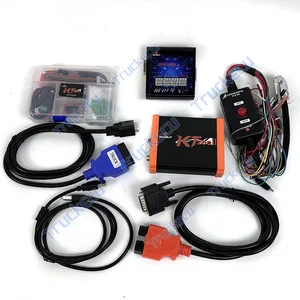
In markets dominated by high-density urban EV use, diagnostic centers require high-throughput testing systems. Utilizing automated test benches and ECU flashing software (like the KT200 II) speeds up workshop operations, improving diagnostics throughput and workflow efficiency.
Shenzhen Manata Scanner Co., Ltd. is a leading China automotive diagnostic equipment manufacturer specializing in advanced vehicle inspection systems and ECU diagnostic solutions for the global automotive aftermarket. With a strong commitment to innovation, quality, and intelligent vehicle servicing, Manata Scanner delivers reliable diagnostic technologies designed to improve maintenance efficiency, reduce downtime, and support modern workshop operations.
The company offers a comprehensive portfolio of automotive diagnostic equipment, including vehicle inspection systems, ECU programming and coding tools, automotive scan tools, ADAS calibration equipment, EV battery diagnostic systems, TPMS diagnostic devices, and intelligent fleet diagnostic solutions. These products are widely used by automotive repair workshops, vehicle inspection centers, dealerships, fleet operators, and maintenance service providers worldwide.
Driven by continuous technological innovation, Shenzhen Manata Scanner Co., Ltd. integrates artificial intelligence, cloud connectivity, big data analysis, and advanced electronic testing technologies into its product development process. The company's R&D team focuses on creating intelligent, accurate, and user-friendly diagnostic solutions capable of meeting the evolving requirements of both conventional and new energy vehicles.
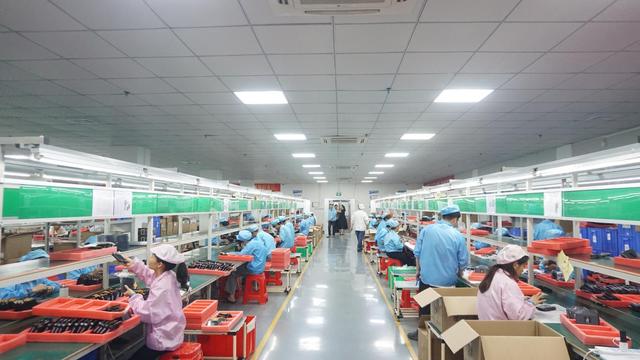
Quality is at the core of Manata Scanner's manufacturing philosophy. The company implements strict quality management procedures throughout design, production, testing, and final inspection to ensure stable performance and long-term reliability. Its products are engineered to comply with international standards and are exported to customers across Europe, North America, South America, Southeast Asia, the Middle East, and other global markets.
Committed to becoming a trusted global partner in automotive diagnostics, Shenzhen Manata Scanner Co., Ltd. continues to provide innovative products, professional technical support, and customized solutions that help customers enhance service capabilities and operational efficiency.


 Manata Scanner