Engineered for accuracy, field durability, and multi-protocol global vehicle support.
Understanding the transition toward strict international compliance standards and diagnostics.
The global automotive and industrial machinery markets are undergoing an unprecedented shift toward eco-conscious technologies. Rapidly tightening environmental frameworks—such as the EPA Tier 4 standards in North America, the implementation of Euro 6/VI (and the upcoming Euro VII) in Europe, and the roll-out of China VI emission limits—have elevated engine emissions analytics from a simple repair-shop routine to a critical industrial compliance vertical.
Modern engines depend heavily on complex exhaust aftertreatment systems, including Selective Catalytic Reduction (SCR), Diesel Particulate Filters (DPF), and exhaust gas recirculation (EGR) valves. Our diagnostic platforms allow workshops and fleet managers to monitor live emission profiles, read OBD-II parameters, detect malfunctioning Nitrogen Oxygen (NOx) sensors, and debug Electronic Control Unit (ECU) coding inconsistencies that negatively influence greenhouse gas profiles.
As a global exporter, we align our product development with the real-world operational challenges of these international frameworks, ensuring repair technicians can isolate faults, reduce vehicle downtime, and execute precise calibrations to meet legal requirements.
Fostering innovation across high-bandwidth communication protocols and intelligent data analytics.
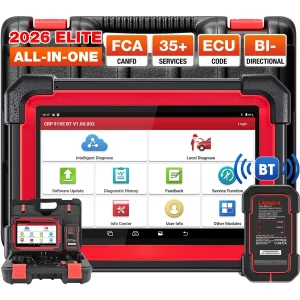
Modern vehicles demand higher data throughput to track emissions data in real-time. Our diagnostic equipment, such as the LAUNCH X431 CRP919E BT, integrates CAN-FD (Flexible Data-rate) and DoIP (Diagnostics over IP) capabilities. This enables workshops to communicate directly with high-performance ECUs to capture precise, high-frequency emission diagnostic data without bottlenecking vehicle data networks.
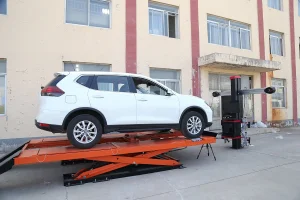
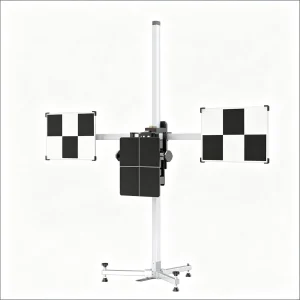
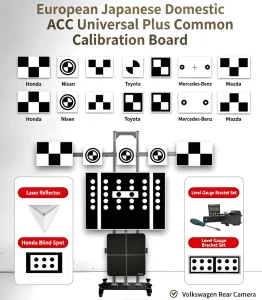
Advanced Driver Assistance Systems (ADAS) and emission control frameworks are increasingly integrated. A misalignment in the radar or forward camera systems can impact the powertrain's fuel-efficiency algorithms, causing an increase in overall exhaust levels. Systems like the SmartSafe ADAS ECO perform exact on-board forward radar and camera calibrations to maintain the systemic balance of passenger and heavy commercial vehicles.
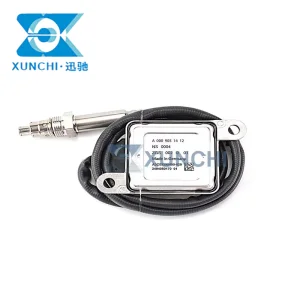
Selective Catalytic Reduction (SCR) relies heavily on exhaust gas sensing feedback. High-precision replacement components, like our A0009051412 Series Nitrogen Oxygen Sensor, are engineered with ceramic sense elements that output precise electrical signals in response to minimal changes in NOx parts-per-million (ppm), ensuring accurate dosing of Diesel Exhaust Fluid (DEF) to keep fleet emissions within legal thresholds.
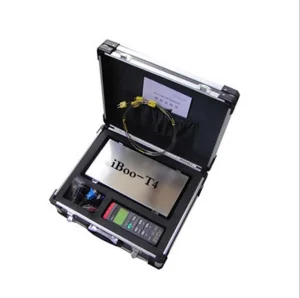
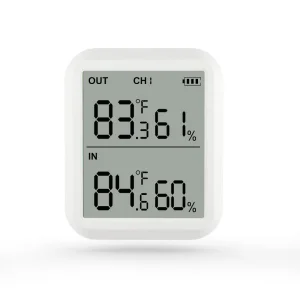
Beyond vehicular diagnostics, emissions analytics extends to thermal curing stability on the assembly line. The Automobile Coating Furnace Temperature Tracker / Logger records high-accuracy thermal profiles. This is crucial for verifying that low-VOC industrial coatings cure under precise, eco-certified parameters, preventing the release of unmitigated VOCs into the environment.
How diagnostic tools and emissions equipment adapt to real-world industrial environments globally.
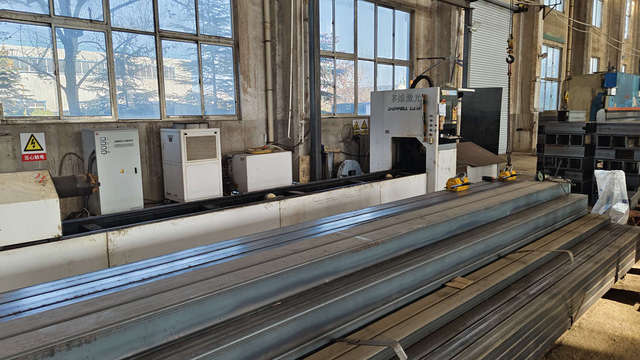
Applying diagnostic technologies to engine emissions requires understanding regional operating conditions. For example, in cold-climate markets like Northern Europe or North America, exhaust treatment systems are susceptible to freezing DEF lines and sensor failure. Diagnostics must isolate sensor failures from mechanical issues under sub-zero temperatures.
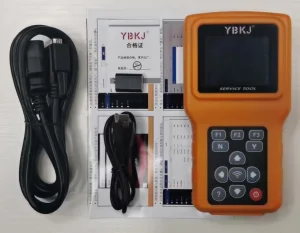
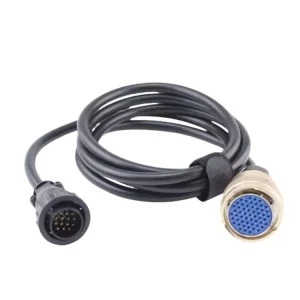
In regions with high concentrations of heavy duty trucks, like Latin America and Southeast Asia, older engine models operate alongside newer, high-spec engines. A diagnostic unit must be versatile. The Renault & Volvo Penta Vodia NG3 Engine Analyzer is designed for these scenarios, allowing technicians to handle marine engines, industrial generator sets, and long-haul commercial trucks using a single diagnostic interface.
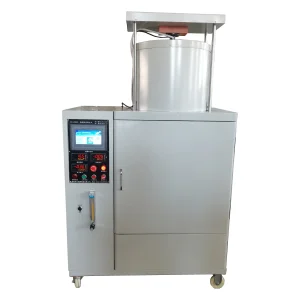
Furthermore, industrial facilities use the DIL09BPD Cathode Carbon Block Sodium Linear Expansion Tester in primary aluminum production. In smelting applications, managing cathode material expansion directly impacts the physical structural integrity of the cell, which in turn influences smelting emissions and energy consumption. Providing precise thermal analytics for raw industrial components is key to maintaining local regulatory compliance.
Shenzhen Manata Scanner Co., Ltd.: Seamless integration of design, testing, and volume global distribution.
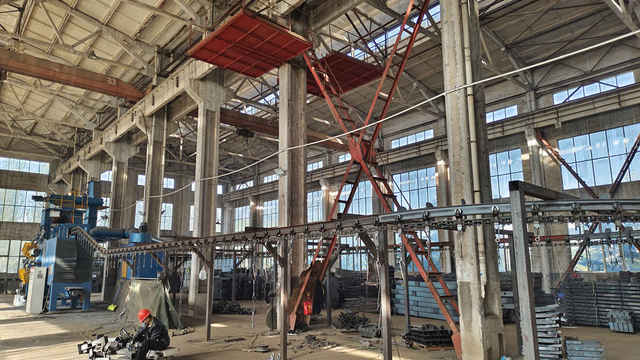
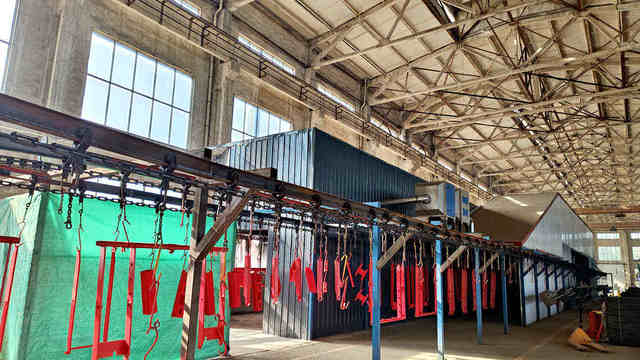
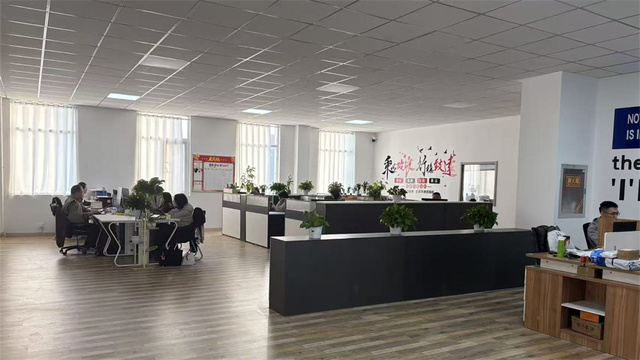
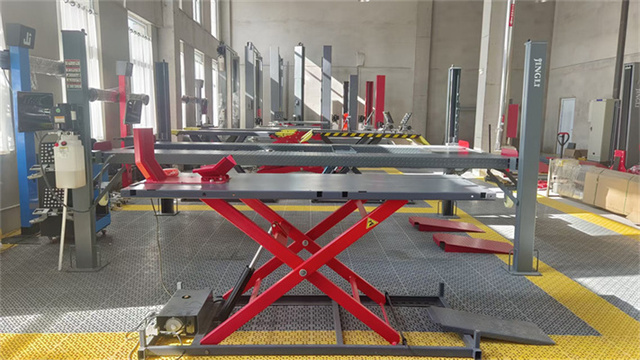
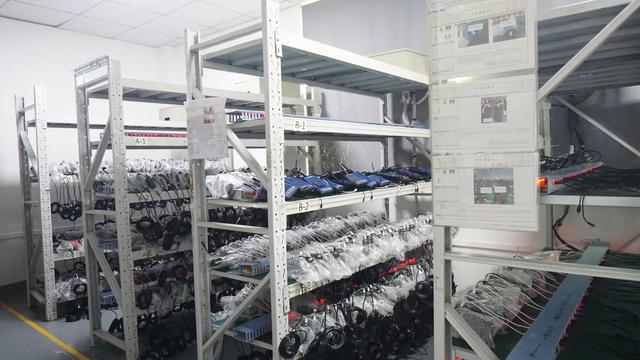
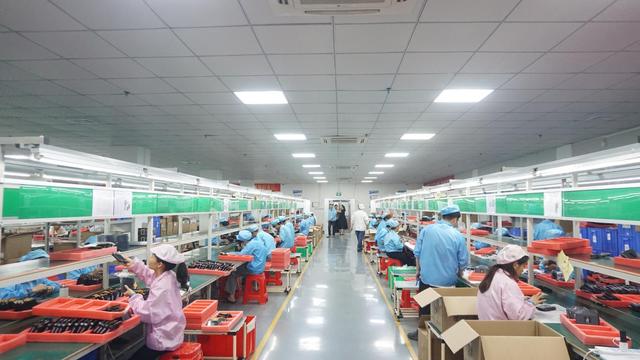
Located in Shenzhen, the global hub of electronic hardware and automotive aftermarket innovation, Shenzhen Manata Scanner Co., Ltd. leverages an integrated supply chain. From advanced PCB assembly and high-durability plastic injection molding to rigorous environmental testing chambers, we maintain control over our manufacturing processes. This infrastructure translates into shortened lead times, customized firmware support, and reliable quality control.
Establishing reliable post-sale channels, regulatory alignments, and localized technical training.
When purchasing industrial emissions analytics systems and professional workshop tools, compliance is essential. All diagnostic platforms exported from our facility comply with international standards, such as CE, FCC, RoHS, and WEEE directives. This ensures hassle-free import procedures and guarantees that our products operate safely within heavy industrial or automotive environments.
To support our global B2B buyers, we offer a dedicated post-sales framework:
Bridging the gap between internal combustion engine tuning, battery diagnostics, and smart fleet solutions.
As the automotive industry pivots toward New Energy Vehicles (NEVs), the diagnostic field is undergoing a transition. While internal combustion engine diagnostics remain critical—especially in heavy transportation, logistics, and marine infrastructure—diagnostic tools must support hybrid drivetrains and electric powertrains.
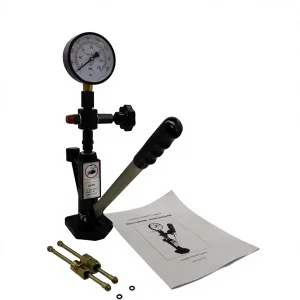
Shenzhen Manata Scanner Co., Ltd. is positioned at the intersection of this transition. Our roadmap integrates traditional emissions diagnostics, diesel injector testing (such as the S60H diesel injector calibration tester), and modern EV battery monitoring. This allows workshop service providers to transition from maintaining legacy combustion systems to managing hybrid electrical architectures and battery health diagnostics on a single platform.
In parallel, we are developing predictive diagnostic models based on AI cloud computing. By analyzing sensor telemetry data over time, our software can identify potential catalyst degradation or exhaust sensor failures before they trigger dashboard warnings. This predictive maintenance approach reduces down-time for commercial fleet operators and maintains emissions compliance.
Providing clear answers to common questions about calibration, diagnostics, and compliance standards.
Robust instrumentation for industrial testing, calibration setups, and automotive workshops.
 Manata Scanner