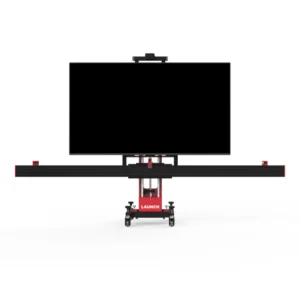
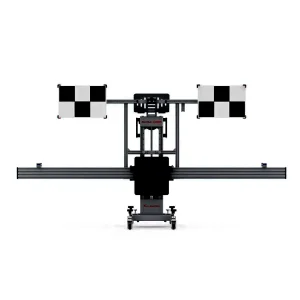
Discover our lead systems optimized for luxury workshop and fleet compliance in Saudi Arabia's challenging hot climates.
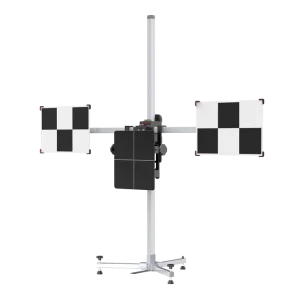
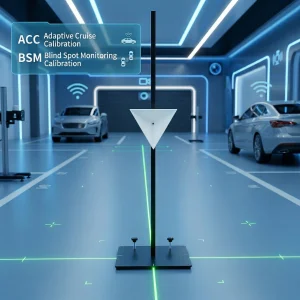
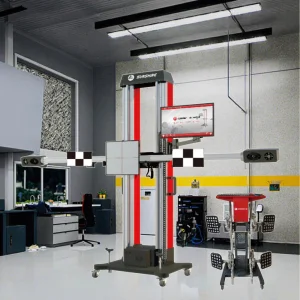
The automotive landscape of the Kingdom of Saudi Arabia (KSA) is undergoing a major paradigm shift. Driven by Saudi Vision 2030, the region is transitioning from standard fossil-fuel vehicles to smart, connected, electric, and autonomous transportation platforms. Smart safety systems like ADAS (Advanced Driver Assistance Systems) are no longer premium add-ons; they are now mandatory safety features integrated into modern passenger and commercial fleets across Riyadh, Jeddah, Dammam, and NEOM.
With Saudi Arabia investing heavily in local automotive manufacturing (including major partnerships with global electric vehicle manufacturers and national initiatives like Ceer), the demand for industrial-grade vehicle calibration infrastructure is rising. To secure road safety, local regulators such as the Saudi Standards, Metrology and Quality Organization (SASO) and the GSO (Gulf Standardization Organization) have implemented stringent homologation and inspection rules ensuring active safety sensors operate with absolute precision.
Extreme Middle Eastern climates add complexity. The combination of intense heat (reaching up to 55°C), high humidity in coastal zones, and relentless dust or sandstorms speeds up sensor degradation. Front cameras, radar sensors, and LiDAR setups often drift from their original factory alignment, highlighting the need for regular static and dynamic recalibration at certified regional service centers.
Why automotive service workshops, large transportation fleets, and OEMs choose our high-precision calibration equipment.
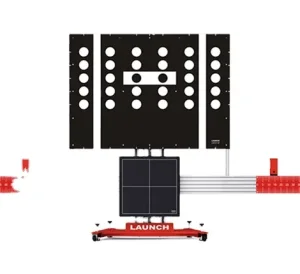
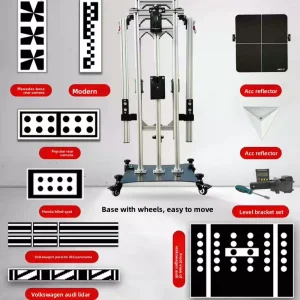
Our heavy-duty calibration targets feature special anti-reflective coatings. This stops visual distortion caused by bright Gulf sunlight, ensuring camera sensors calibrate correctly first time.
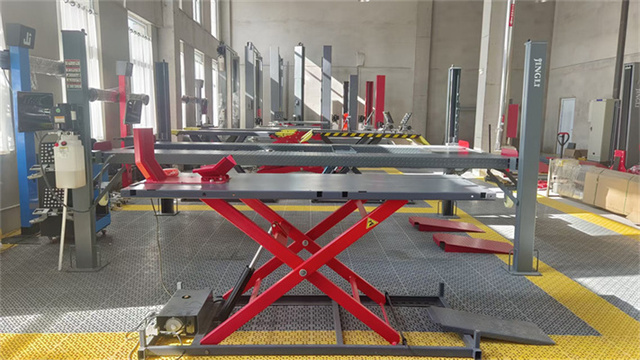
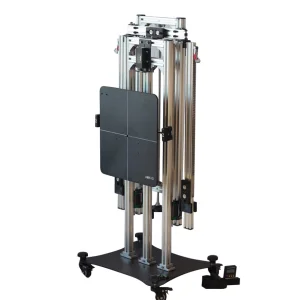
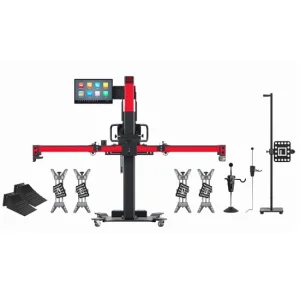
By integrating ADAS with wheel alignment (like the AlignADAS S700), technicians can check chassis structural alignment and calibrate cameras in one efficient process, saving downtime.
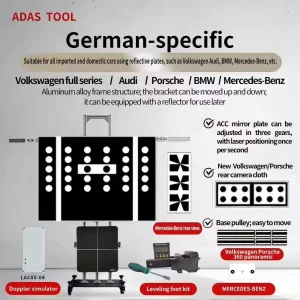
Supports GCC-spec American, European, Japanese, Korean, and Chinese brands, including specialized targets for high-end brands like VW, Audi, NIO, and Toyota.
Our global supply chain guarantees high product quality, prompt delivery, and technical support across all GCC territories.
Large shipping, rental, and distribution fleets throughout KSA rely on ADAS systems to keep their drivers safe. Recalibrating Lane Departure Warning (LDW) and Adaptive Cruise Control (ACC) after bumper repairs or windshield replacements keeps fleet operations running safely and efficiently.
Vehicles operating in desert conditions encounter dust, sand, and heat that can shift sensors out of position. Our portable mobile calibration systems are designed for remote workshops and field service teams, making it easy to perform on-site recalibrations outside main urban centers.
In planned smart cities like NEOM and the Red Sea Project, intelligent driving systems rely on perfectly aligned components. Our high-precision ADAS tools supply workshops with the tools needed to meet the high technical requirements of Level 2+ driving assistance systems.
A leading global automotive diagnostics manufacturer specializing in advanced vehicle inspections, ADAS calibration, and intelligent repair workshop solutions.
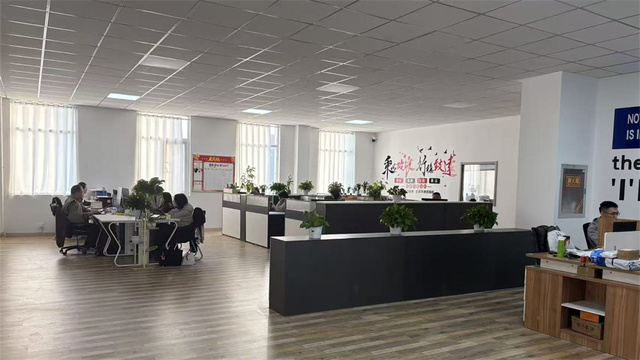
Shenzhen Manata Scanner Co., Ltd. designs and manufactures vehicle inspection platforms, ECU programming systems, advanced scan tools, and multi-system ADAS calibration systems. By integrating artificial intelligence, cloud diagnostics, and big data analysis, our R&D team builds systems that serve workshops, inspection centers, and fleet operators globally.
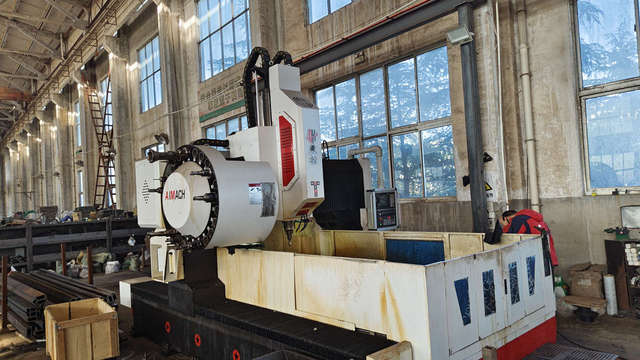
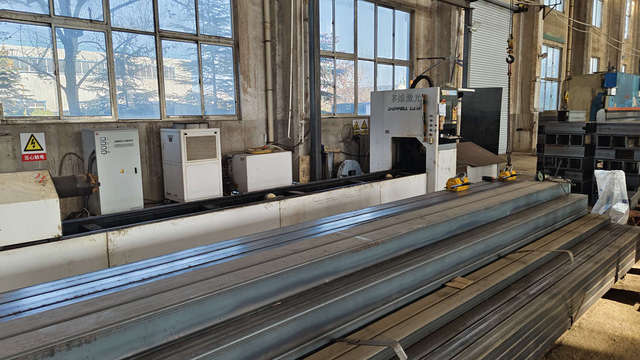
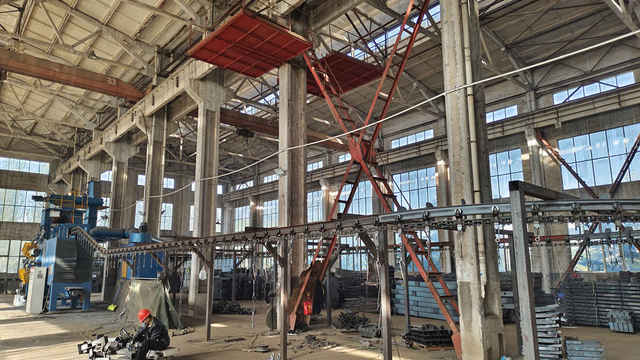
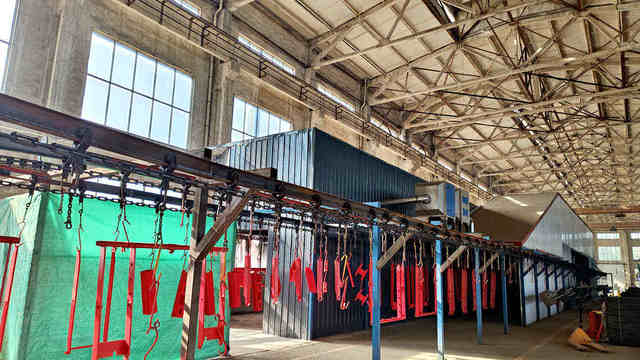
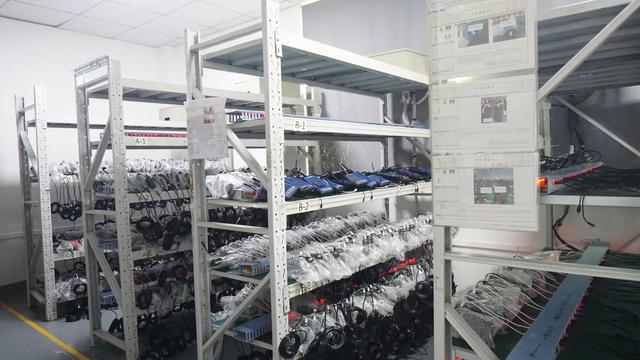
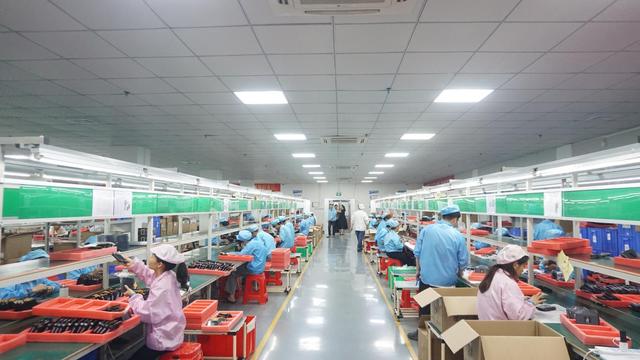
Our production facilities follow strict international quality management standards. From engineering design and assembly to final testing, every device is calibrated to provide reliable performance. We export to customers in Europe, North America, South America, Southeast Asia, and the Middle East, offering dedicated support to KSA and regional GCC distributors.
Expand your workshop capabilities with targeted boards, radar reflectors, and diagnostic updates.
How we support workshops in transitioning toward tomorrow's Level 3 autonomous vehicle tech.
As vehicle automation advances, calibration systems must keep pace. The transition from Level 2 (partial automation) to Level 3 (conditional automation) means vehicles depend more on real-time sensor inputs to make driving decisions, leaving no room for calibration errors.
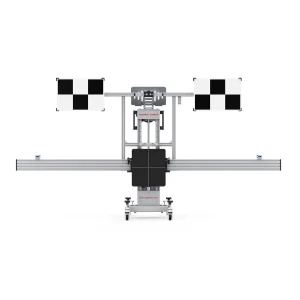
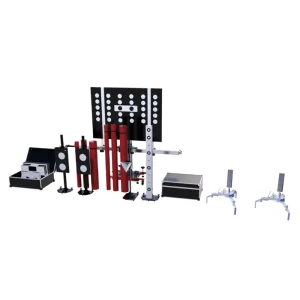
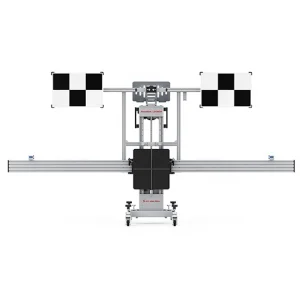
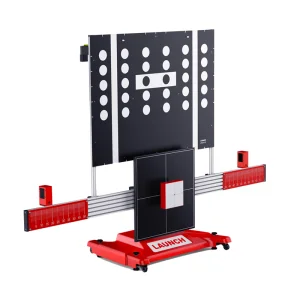
High-precision systems designed for professional workshops, alignment centers, and fleet service hubs.

Common questions from workshops, fleet managers, and importers regarding GCC safety regulations and device operation.
Get in touch with our technical sales team for custom pricing, shipping options to Saudi Arabia, or assistance with SASO certification support.
 Manata Scanner