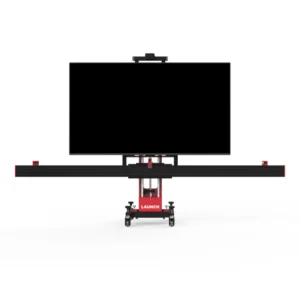
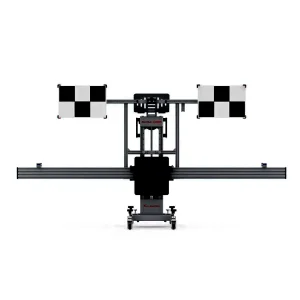
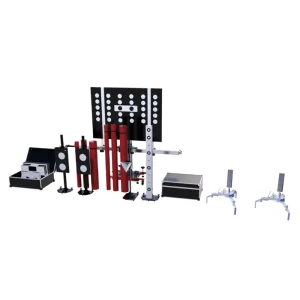
Industry-standard, ultra-high-precision systems designed to perform static and dynamic calibrations for cameras, radars, and Lidar sensors on European and Asian vehicles.
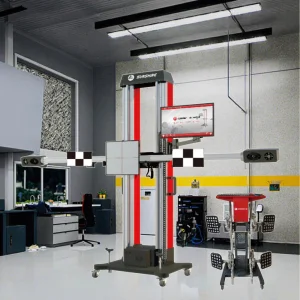
The Bulgarian automotive repair landscape is undergoing an unprecedented technological transition. Historically centered on mechanical maintenance, repair centers in key hubs such as Sofia, Plovdiv, Varna, and Burgas are facing structural changes driven by the European Union's General Safety Regulation (GSR II). The integration of Advanced Driver Assistance Systems (ADAS) is no longer a luxury feature restricted to premium vehicles; it is now a regulatory imperative.
Every time a windshield is replaced, a suspension is aligned, or a collision-damaged bumper is repaired on modern passenger cars and commercial vehicles, sensor calibration is required. Radar sensors, front-facing optical cameras, and LiDAR arrays must align perfectly with the vehicle’s thrust line to ensure the integrity of features like Lane Keep Assist (LKA), Autonomous Emergency Braking (AEB), and Adaptive Cruise Control (ACC).
For local body shops and auto glass specialists across Bulgaria, this shift presents a strategic business opportunity. Outfitting facilities with high-precision ADAS calibration equipment ensures workshops retain high-margin diagnostics in-house rather than outsourcing to costly dealership networks.
How modern calibration units interface with multiple automotive protocols and ensure structural safety.
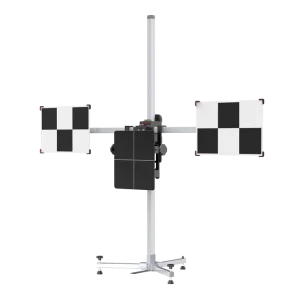
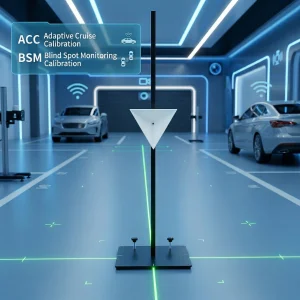
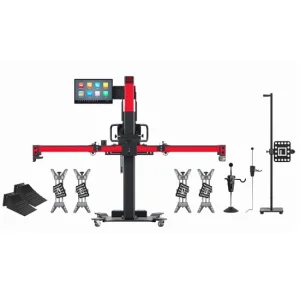
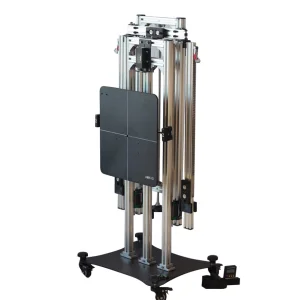
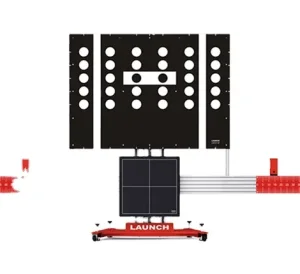
Features ultra-high precision laser rangefinders and fine-tuning knobs to align target panels with sub-millimeter accuracy, vital for high-speed highway driving safety features.
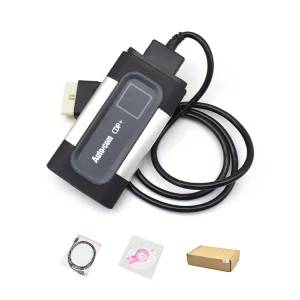
Integrates directly with CAN-FD, DoIP, and Secure Gateway (SGW) protocols via advanced VCIs, allowing complete communication with new-gen VW, Audi, Toyota, and BMW models.
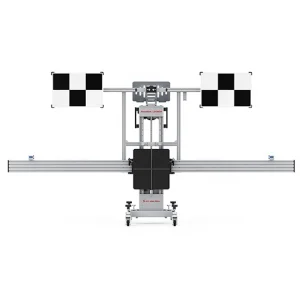
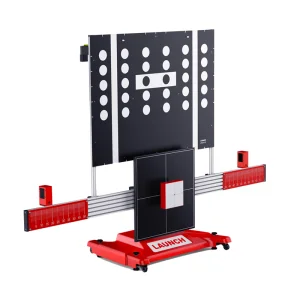
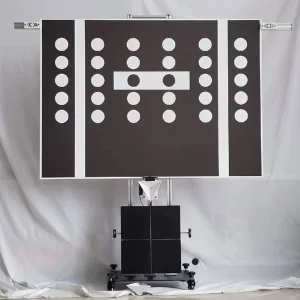
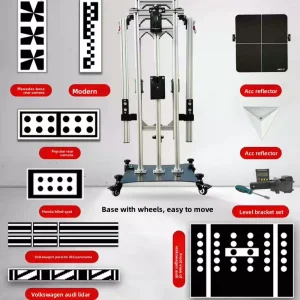
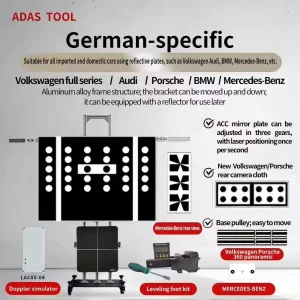
Supports both mechanical frame-based static targets (standard panels, corner reflectors) and dynamic software-triggered road calibration procedures.
Shenzhen Manata Scanner Co., Ltd. is a leading China automotive diagnostic equipment manufacturer specializing in advanced vehicle inspection systems and ECU diagnostic solutions for the global automotive aftermarket. With a strong commitment to innovation, quality, and intelligent vehicle servicing, Manata Scanner delivers reliable diagnostic technologies designed to improve maintenance efficiency, reduce downtime, and support modern workshop operations.
The company offers a comprehensive portfolio of automotive diagnostic equipment, including vehicle inspection systems, ECU programming and coding tools, automotive scan tools, ADAS calibration equipment, EV battery diagnostic systems, TPMS diagnostic devices, and intelligent fleet diagnostic solutions. These products are widely used by automotive repair workshops, vehicle inspection centers, dealerships, fleet operators, and maintenance service providers worldwide.
Driven by continuous technological innovation, Shenzhen Manata Scanner Co., Ltd. integrates artificial intelligence, cloud connectivity, big data analysis, and advanced electronic testing technologies into its product development process. The company's R&D team focuses on creating intelligent, accurate, and user-friendly diagnostic solutions capable of meeting the evolving requirements of both conventional and new energy vehicles.
Quality is at the core of Manata Scanner's manufacturing philosophy. The company implements strict quality management procedures throughout design, production, testing, and final inspection to ensure stable performance and long-term reliability. Its products are engineered to comply with international standards and are exported to customers across Europe, North America, South America, Southeast Asia, the Middle East, and other global markets.
Committed to becoming a trusted global partner in automotive diagnostics, Shenzhen Manata Scanner Co., Ltd. continues to provide innovative products, professional technical support, and customized solutions that help customers enhance service capabilities and operational efficiency.
All systems shipped to Bulgaria are CE certified, matching the strict standards required by Bulgarian technical inspection bodies (ДАИ).
Direct-from-factory procurement routes ensure maximum profitability, high-speed software updates, and customized hardware configurations.
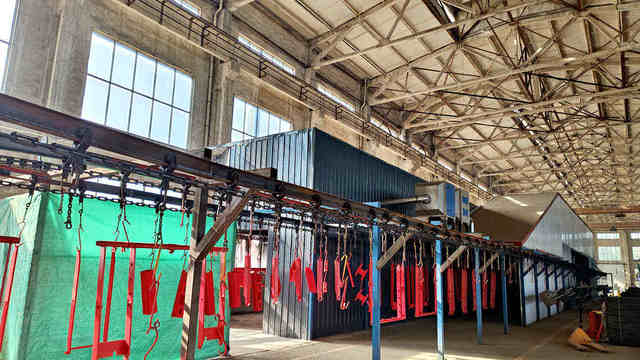

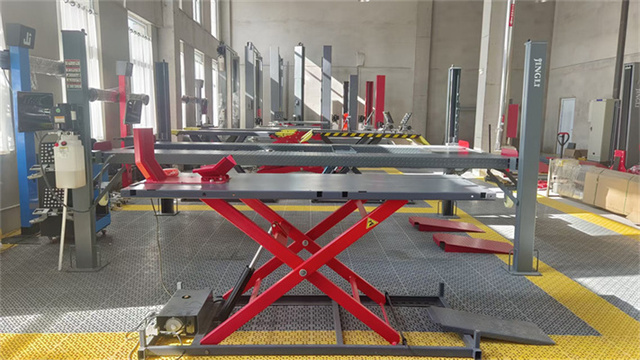
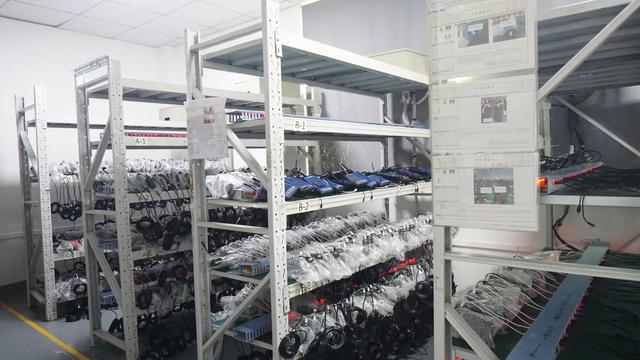

Designed for professional mechanics, vehicle inspection facilities, and collision repair centers across Bulgaria.
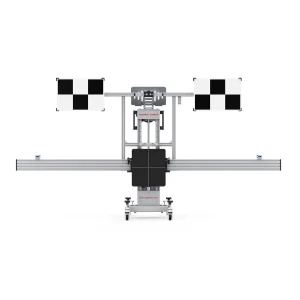
Get professional insights regarding ADAS calibration technology, legal compliance, and workshop setup protocols in Eastern Europe.
Static ADAS calibration is performed within a controlled workshop environment using physical calibration frames, pattern boards, laser measurers, and radar reflectors. The vehicle remains stationary, and the calibration tool aligns the sensor with structural vehicle points. Dynamic calibration, on the other hand, requires plugging in a diagnostic scanner and driving the vehicle on the road under specific conditions (e.g., clear lane markings, specific speed limits) so the system can calibrate against real-world features. Many modern vehicles require both procedures to ensure full safety compliance.
Modern safety sensors rely heavily on the vehicle's "thrust line" (the actual direction the rear wheels are pointing). If you adjust the suspension, change steering components, or perform a wheel alignment without subsequently calibrating the ADAS, the vehicle's onboard computers will assume the vehicle is moving straight when it is actually driving slightly askew. This angle deviation can cause lane-keep systems to misjudge boundaries or collision-avoidance radars to trigger braking errors, which can result in accidents.
The calibration bay must have a completely level floor (less than 3mm elevation variance across the alignment surface) because tilt angles throw off laser-target lines. The space should ideally be at least 10 meters long and 5 meters wide to allow sufficient distance between the front bumper and the static targets. Furthermore, the lighting must be uniform, with no direct sunlight striking the camera lenses or the targets, and there must be no metallic objects directly in front of radar-reflector structures to avoid signal echo interference.
Yes. Our advanced diagnostic interfaces and ADAS systems support secure gateway access. This allows technicians to clear fault codes and execute calibration procedures on newer vehicles (such as post-2018 Fiat Chrysler, Renault, and Mercedes-Benz platforms) that block standard OBD-II write commands without official server handshake protocols. Our software updates are continuously modified to retain access compatibility with these secure automotive portals.
We handle all aspects of international shipping from our manufacturing base in Shenzhen to ports in Bulgaria (such as Varna and Burgas) or inland transit directly to your facilities. The equipment is packed in heavy-duty wooden crates to prevent damage to sensitive optical components. We supply full documentation, CE certification, and clear invoices to ensure rapid customs clearing under standardized EU harmonized import codes.
 Manata Scanner