 Manata Scanner
The Evolution of ADAS Calibration in the Argentine Market
A comprehensive breakdown of how localized workshops, fleet operators, and industrial suppliers in Buenos Aires, Córdoba, and Rosario are adapting to Advanced Driver Assistance Systems (ADAS).
The Argentine automotive landscape is currently undergoing a massive structural transformation. As active safety systems like Lane Keep Assist (LKA), Autonomous Emergency Braking (AEB), and Adaptive Cruise Control (ACC) transition from luxury features to standard requirements mandated by regional regulatory bodies, the need for professional-grade ADAS calibration equipment has reached critical mass. With regional assembly plants in locations such as General Pacheco, Córdoba, and Zárate integrating complex radar and LiDAR arrays into locally manufactured commercial vehicles, local service stations and body shops must upgrade their testing infrastructure.
In Argentina, compliance with the national safety regulations under the Ley de Tránsito N° 24.449 requires vehicles to meet stringent road safety criteria. Following collision repairs, windshield replacements, or wheel alignments, precise ADAS target recalibration is no longer optional—it is a critical safety verification process. This demands calibration frames capable of achieving sub-millimeter precision to ensure dynamic sensors communicate correctly with onboard Electronic Control Units (ECUs).
Core Calibration Solutions for Argentine Workshops
High-performance systems designed for rapid shop deployment and multi-vehicle brand compatibility.
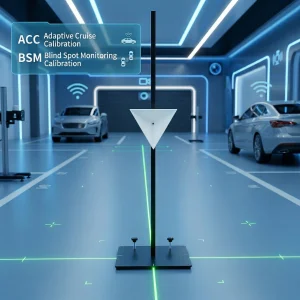
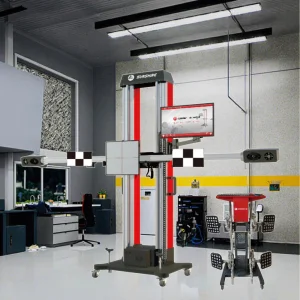
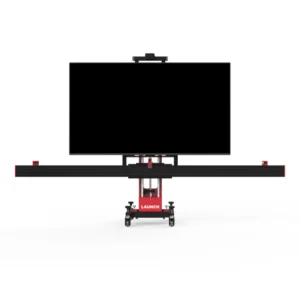
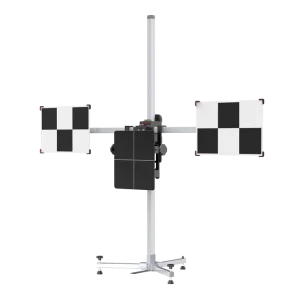
Understanding the ADAS Calibration Infrastructure in Argentina
Automotive service centers across Latin America, specifically in Argentina, encounter unique operating challenges. The local car park is incredibly diverse, blending domestic Mercosur models (from manufacturers in Brazil and Argentina) with premium imports from Europe, North America, and Asia. This requires calibration systems to possess expansive ECU coverage database architectures, accommodating multiple OBD protocols.
Dynamic vs. Static Calibration: The Technical Paradigm
Workshops must prepare for both calibration modalities:
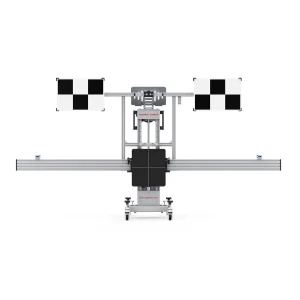
- Static Calibration: Performed inside the workshop bay using physically aligned target patterns, laser alignment systems, and corner reflectors. Ideal for aligning radar assemblies and forward-facing camera arrays in controlled light conditions.
- Dynamic Calibration: Demands driving the vehicle on designated public roads at consistent speeds with specific road markings to let the system "learn." In many urban centers of Argentina, like Buenos Aires, finding an unobstructed, flat road with clear markings for dynamic testing is exceptionally difficult. This places high value on static alignment tools that allow technicians to complete setup procedures in-house before the road test.
<1mm
Laser Accuracy
99.8%
Vehicle Coverage
200+
Workshops Supplied
IRAM
Compliant Standard
Strategic Technical Capabilities Required by Argentine Procurement Teams
When procuring diagnostic hardware, fleet managers, collision repair centers, and specialized distributors prioritize equipment that mitigates local challenges, such as voltage fluctuations, import supply bottlenecks, and training gaps:
1. Integration with Wheel Alignment (2-in-1 Systems)
Real estate inside Argentine workshop garages is at a premium. Transitioning from a wheel alignment rack to a separate ADAS calibration bay wastes floor space and technician billable hours. Two-in-one machines, such as the AlignADAS S700, solve this issue by integrating geometric thrust-line alignment and ADAS target placement into a singular physical footprint. This minimizes calibration cycle times, boosting shop profitability.
2. Mobile and Portable Frames for Remote Service
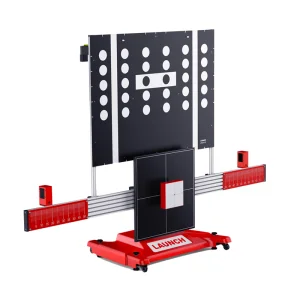
With Argentina's vast geographical layout, many fleet operations—particularly in agricultural and mining sectors in Mendoza, Neuquén, or the Pampas region—require on-site diagnostics. Portable calibration rigs like the LAUNCH X-431 ADAS MOBILE PLUS feature folding frames and lightweight components that fit inside a standard service van, unlocking mobile calibration services for remote commercial accounts.
3. Radar Reflector Calibration for Commercial Fleets
Medium and heavy-duty trucks traversing the National Route 9 transport corridor increasingly run active safety systems. Adjusting ACC radar units on high-riding commercial front ends requires precise corner reflectors and dedicated digital level metrics to ensure the radar beam is aligned parallel to the highway.
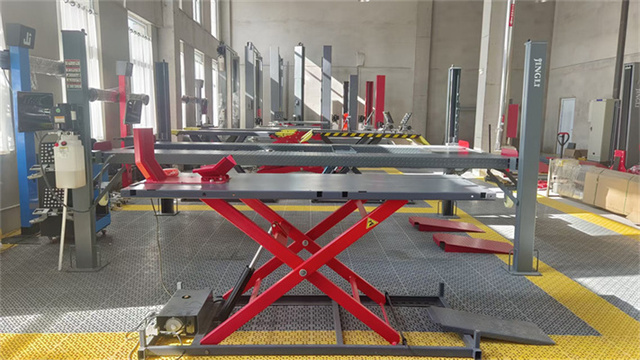
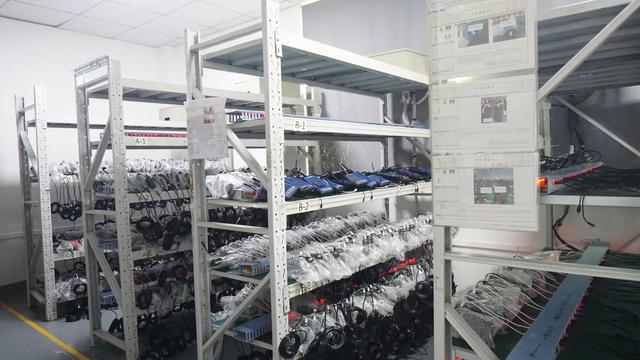
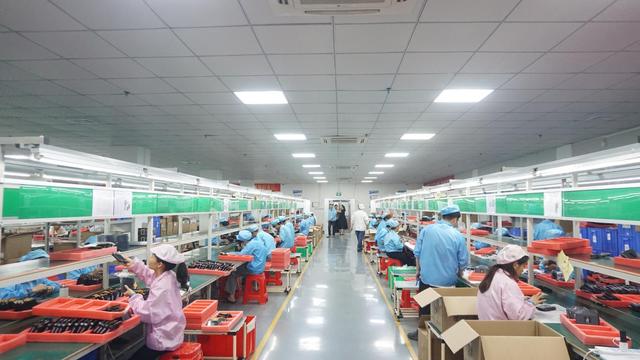
Shenzhen Manata Scanner Co., Ltd. - Global Manufacturing Excellence
Shenzhen Manata Scanner Co., Ltd. is a leading China automotive diagnostic equipment manufacturer specializing in advanced vehicle inspection systems and ECU diagnostic solutions for the global automotive aftermarket. With a strong commitment to innovation, quality, and intelligent vehicle servicing, Manata Scanner delivers reliable diagnostic technologies designed to improve maintenance efficiency, reduce downtime, and support modern workshop operations.
The company offers a comprehensive portfolio of automotive diagnostic equipment, including vehicle inspection systems, ECU programming and coding tools, automotive scan tools, ADAS calibration equipment, EV battery diagnostic systems, TPMS diagnostic devices, and intelligent fleet diagnostic solutions. These products are widely used by automotive repair workshops, vehicle inspection centers, dealerships, fleet operators, and maintenance service providers worldwide.
Driven by continuous technological innovation, Shenzhen Manata Scanner Co., Ltd. integrates artificial intelligence, cloud connectivity, big data analysis, and advanced electronic testing technologies into its product development process. The company's R&D team focuses on creating intelligent, accurate, and user-friendly diagnostic solutions capable of meeting the evolving requirements of both conventional and new energy vehicles.
Quality is at the core of Manata Scanner's manufacturing philosophy. The company implements strict quality management procedures throughout design, production, testing, and final inspection to ensure stable performance and long-term reliability. Its products are engineered to comply with international standards and are exported to customers across Europe, North America, South America, Southeast Asia, the Middle East, and other global markets.

Expanded ADAS & Diagnostic Equipment Catalog
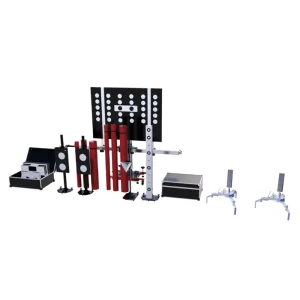
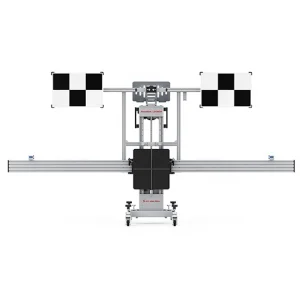
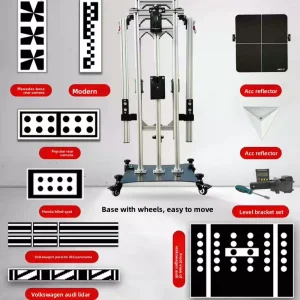
Targeted devices engineered for high accuracy, wide vehicle coverage, and rugged shop operations in Argentina.

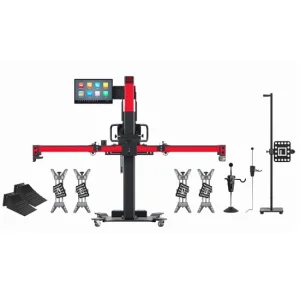
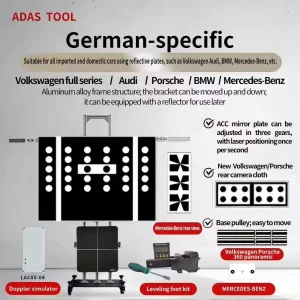
Technical Roadmap: The Next Phase of Automotive Safety Technology
As we transition into 2026 and beyond, the technological roadmap for driver safety systems points directly toward Level 3 and Level 4 conditional autonomy. This technology shifts vehicle monitoring duties to sensor suites, meaning dynamic tracking systems cannot afford even a fraction of a degree of error. The next-generation systems will feature integration in several key areas:
1. Stereoscopic Camera & LiDAR Systems Integration
LiDAR (Light Detection and Ranging) is migrating from experimental fleets to consumer passenger lines. The spatial density of LiDAR scanning requires calibration targets that account for reflectivity and surface index variations. Multi-sensor fusion systems require alignment tools capable of calibrating front-facing stereoscopic optical cameras, radar sensors, and LiDAR units simultaneously.
2. 5G V2X (Vehicle-to-Everything) Communication Arrays
Connected vehicles operating on urban cellular networks require precise alignment of their directional transceivers. If transceiver geometric angles shift, signal latency increases, which compromises spatial warning systems. Future alignment frames will feature RF (Radio Frequency) signal diagnostic antennas to test vehicle V2X array outputs during chassis setup.
Navigating Argentine Import Compliance & Local Support
Procuring capital industrial equipment in Argentina involves navigating distinct customs, logistics, and legal requirements. Under the current economic policies, understanding local trade rules is essential for successful operations:
- SEDI (Sistema de Importaciones de la República Argentina): Importers must ensure all equipment documentation aligns with custom declarations. Clear coordination regarding HS codes for diagnostic and calibration equipment is necessary to avoid shipping delays.
- IRAM & Safety Certifications: Equipment requiring direct connection to high-voltage lines, such as 220V/50Hz power supplies for radar alignment frames, must secure electrical safety certificates approved by Argentina's regulatory bodies.
- Regional Training Partnerships: Correctly positioning targets requires proper technician training. Partnerships with local industrial schools and technical training centers in cities like Mendoza, Rosario, and La Plata ensure access to qualified, certified diagnostic operators.
Frequently Asked Questions (FAQ)
Addressing technical and business questions from distributors and workshop owners in Argentina.
Why is wheel alignment critical before performing ADAS calibration?
All ADAS sensors determine spatial metrics based on the vehicle's geometric thrust line, not the physical body panel layout. If the rear toe angle is misaligned, the vehicle will crab-walk down the road. If you calibrate the forward camera using a frame that ignores this thrust-line offset, the camera system's real-world target tracking will drift, potentially triggering false collision alarms or delaying lane-departure corrections.
Does the calibration equipment support regional Mercosur vehicle models?
Yes. The integrated scan software (such as LAUNCH X-431 systems) receives routine database updates covering specialized vehicle variants manufactured in Argentina and Brazil (e.g., VW Amarok, Toyota Hilux, Ford Ranger, Fiat Cronos). This ensures shop technicians can connect to and calibrate local vehicles.
What spatial conditions are required for static ADAS calibration bays?
Static calibration bays need flat floors, uniform light levels with no direct sunlight striking the camera lenses, and a clean area clear of reflective metal structures (especially when calibrating radar arrays). The target frame must be positioned at a set distance from the front bumper, generally requiring a bay length of 8 to 10 meters and a width of at least 5 meters.
Can we import these systems directly to Buenos Aires port?
Yes. We offer complete logistics and import documentation compliance support. We work with registered Argentine custom brokers to streamline imports, coordinating necessary paperwork to minimize transit delays at the Terminal de Contenedores de Puerto Nuevo.
Expand Your ADAS Calibration Capabilities Today
Partner with Shenzhen Manata Scanner Co., Ltd. to secure industrial-grade diagnostic equipment, precise target components, and reliable technical support customized for the Argentine market.
Send Inquiry Now