The Czech Republic is an absolute powerhouse of European automotive manufacturing. With household giants like Škoda Auto (headquartered in Mladá Boleslav), Toyota Motor Manufacturing Czech in Kolín, and Hyundai Motor Manufacturing Czech in Nošovice, the automotive industry represents over 25% of Czech industrial output and exports. This high-density automotive infrastructure fuels a sophisticated aftermarket network. Repair facilities, collision repair centers, and inspection stations across regions like Central Bohemia, South Moravia, and Moravia-Silesia are experiencing an unprecedented surge in vehicles equipped with Advanced Driver Assistance Systems (ADAS).
Simultaneously, the regulatory mandates set forth by the European Union—specifically the updated General Safety Regulation (GSR II)—require that active safety features such as Lane Keeping Assist (LKA), Autonomous Emergency Braking (AEB), and Blind Spot Detection (BSD) operate flawlessly. In Czechia, the state technical inspection centers (STK - Státní technická kontrola) and insurance providers (such as Kooperativa and Česká pojišťovna) are increasingly enforcing stringent alignment verification protocols post-collision. Any repair involving structural geometry, windshield replacement, or steering suspension overhaul necessitates precise sensor recalibration using OEM-approved fixtures. As a result, workshops in Prague, Brno, and Ostrava must adapt to diagnostic setups capable of handling these high-level regulatory benchmarks.
“Industry Data Highlight: More than 80% of new vehicles registered in the Czech Republic in 2024 feature Level 2 or Level 2+ autonomy systems. Precise calibration of radar, lidar, and camera systems is no longer a premium service—it is a baseline safety requirement.”
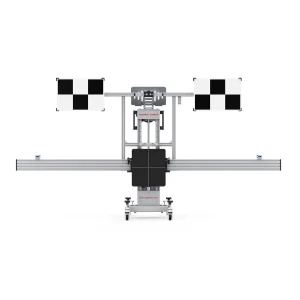
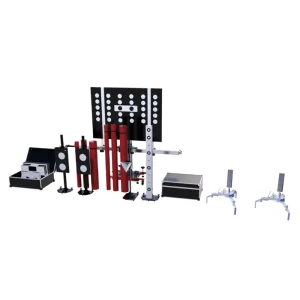
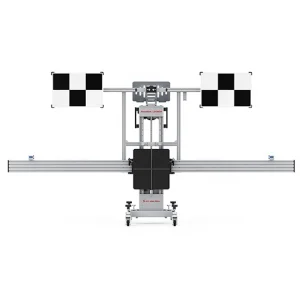
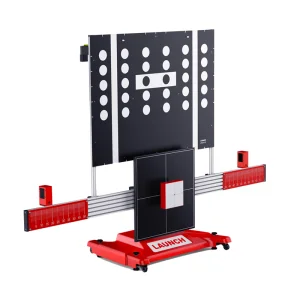
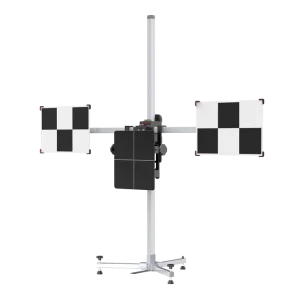
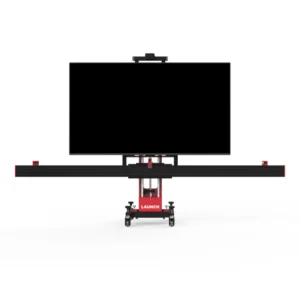
In the field, calibration methodologies are broadly divided into static procedures (using specialized target frames in a controlled workshop environment) and dynamic procedures (requiring vehicle operation under strict road condition parameters). Dynamic calibration is heavily dependent on favorable weather and road markers. However, in the Czech Republic, where winter conditions bring persistent fog, ice, and road salt, dynamic calibration can become highly impractical, causing workshop backlogs. This makes static calibration frames and precise target boards indispensable for year-round service continuity.
Sensor integration poses distinct challenges for modern service technicians:
Ultra-precise laser alignment systems compensate for minor floor level deviations, meeting strict German and Czech workshop guidelines.
Wide compatibility across VW Group (Škoda, Audi, VW, Porsche), Mercedes, BMW, and major Asian vehicle platforms (Toyota, Hyundai, Kia).
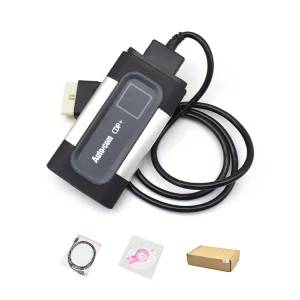
Direct interfacing with VCI diagnostic tablets allows for guided workflows, automatic sensor adaptation, and calibration reporting.
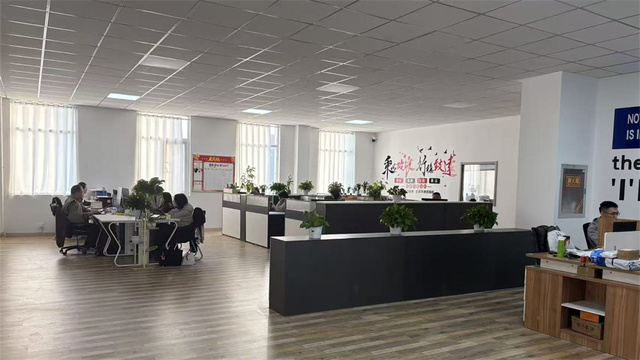
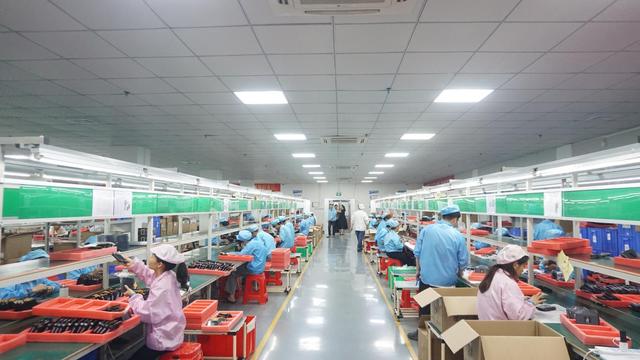
Based in the manufacturing hub of Shenzhen, China, Shenzhen Manata Scanner Co., Ltd. is a leading automotive diagnostic equipment manufacturer. Our company specializes in advanced vehicle inspection systems and ECU diagnostic solutions for the global aftermarket. This ecosystem enables rapid hardware iteration, sourcing of optical and laser components, and reliable production processing. By combining Shenzhen's tech cluster with strict ISO 9001 and CE quality guidelines, we deliver high-precision calibration equipment that stands out in the European market.
Our comprehensive portfolio features vehicle inspection systems, ECU programming tools, ADAS calibration equipment, EV battery diagnostic systems, and TPMS tools. Driven by technology, we integrate cloud connectivity, big data, and advanced electronic testing into our product development. This guarantees that our calibration frames and targets stay compatible with both classic combustion engines and the latest EVs rolling off Czech production lines.
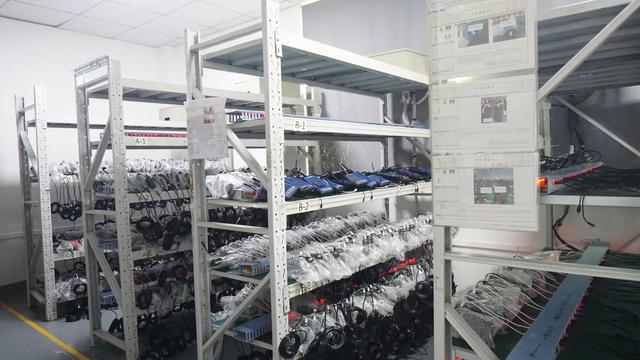
Our quality management ensures every target board, laser line, and digital measurement tool is thoroughly checked. We ship securely packaged, ocean-freight or air-cargo ready configurations directly to distributors and workshop chains across the Czech Republic, including hubs in Prague, Brno, and Ostrava.
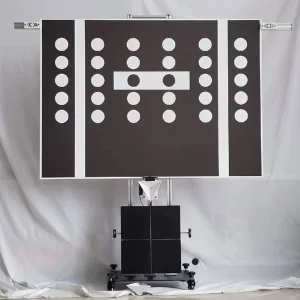
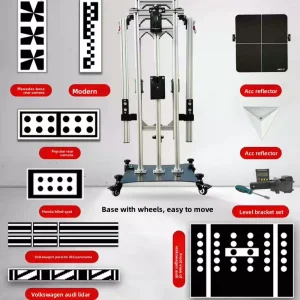
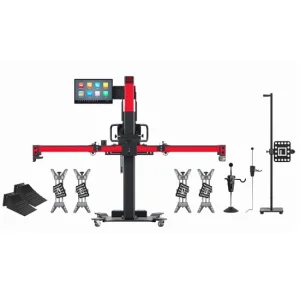
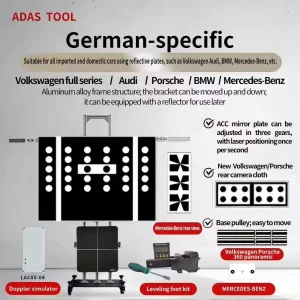
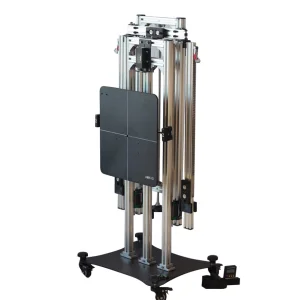
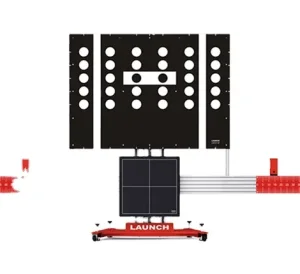
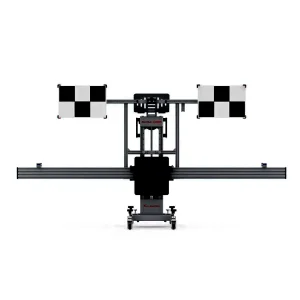
A major challenge for Czech workshops is the diverse range of vehicles on the road. The vehicle fleet features a mix of European brands (led by Škoda, Volkswagen, Peugeot, and Renault) and Asian models (such as Hyundai, Kia, and Toyota). Choosing calibration equipment that only supports one region can hurt a workshop's return on investment. Our systems offer a versatile solution, supporting both European and Asian OEMs with modular target configurations.
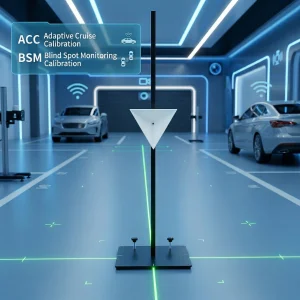
Whether you require standard VW-LDW Corner Reflectors for Audi/VW systems or specialized targets for Toyota’s adaptive cruise control, our rigs adapt quickly. The software features localized, step-by-step instructions in multiple languages, including English and German, which helps streamline workflows for operators throughout Czechia and Central Europe.
Additionally, our hardware is built to last. Using high-precision laser modules, micro-adjustable crossbars, and heavy-duty steel bases, our systems remain stable over years of heavy use. This mechanical durability is essential for collision repair shops that require reliable, everyday performance.
Working in the Czech Republic means operating under EU directives. Every piece of equipment shipped by Shenzhen Manata carries the CE marking, verifying compliance with the Machinery Directive, Electromagnetic Compatibility (EMC) Directive, and low-voltage electrical parameters. For workshops dealing with insurance claims, our software generates detailed post-calibration reports. These reports document final camera angles, sensor deviations, and target placements, providing clear proof of proper calibration for both vehicle owners and insurance adjusters.
Static calibration is performed in a controlled garage setting, making it independent of weather conditions. In the Czech Republic, winter brings snow, fog, and faded road markings, which can prevent dynamic calibration drives. Static systems ensure reliable, year-round service without weather delays.
Yes, our equipment is fully compatible with VAG-group calibration protocols, covering Skoda, Volkswagen, Audi, and Seat. It supports key targets like the VW-LDW corner reflector, enabling accurate calibration of lane assist and adaptive cruise control across these brands.
We offer direct shipping from our factory to Czech industrial hubs via ocean or air cargo. We supply all necessary export documentation, HS codes, and CE certificates to simplify import clearance. Delivery typically takes 5 to 7 days by air express, and 30 to 35 days by ocean freight.
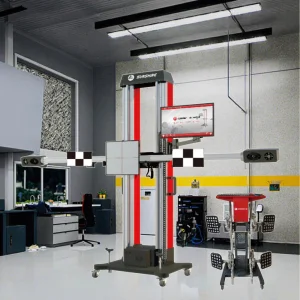
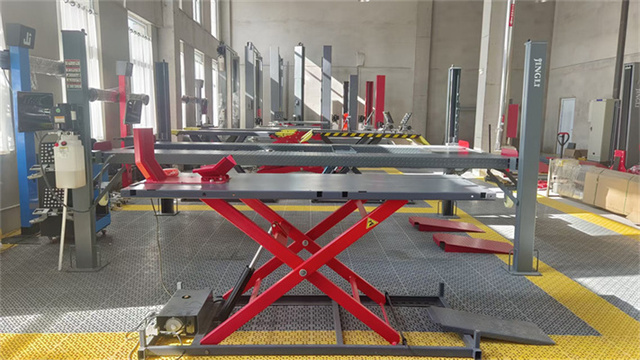
The AlignADAS S700 combines 3D wheel alignment and static ADAS calibration into one station. By eliminating the need to move the vehicle between alignment and calibration bays, it reduces setup times and fits easily into workshops with limited space.
Yes, our VCI diagnostic systems receive regular cloud software updates. These updates keep your shop compatible with the latest vehicle models, sensor specifications, and diagnostic procedures.
 Manata Scanner