Premium static and dynamic calibration frames certified for Philadelphia regional auto body shops and diagnostic networks.
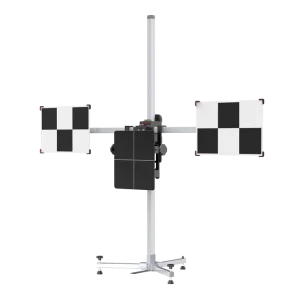
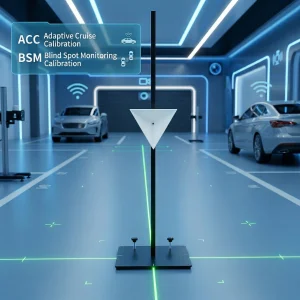
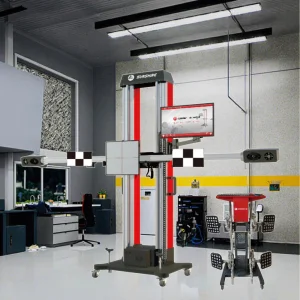
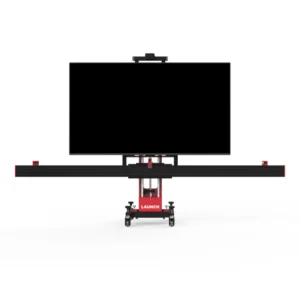
The Delaware Valley, anchored by the city of Philadelphia, represents one of the densest transportation corridors in the northeastern United States. With massive distribution networks flanking Interstate 95, Interstate 76, and the Pennsylvania Turnpike, commercial fleet operations and personal transit vehicles demand continuous mechanical and sensor-level integrity. As newer vehicles equipped with Level 1 and Level 2 Advanced Driver Assistance Systems (ADAS) become the standard, the regional collision repair and service industry faces a critical technical mandate. Local collision centers in Philadelphia, Cherry Hill, and King of Prussia require advanced static and dynamic calibration platforms to meet OEM tolerance levels.
In Philadelphia, vehicle wear-and-tear is highly pronounced due to severe seasonal temperature swings, harsh road salting, and dense urban stop-and-go driving. These environmental variables frequently cause wheel misalignment, chassis stresses, and front-bumper impacts that alter the precise pitch, roll, and yaw angles of forward-facing radar sensors and optical cameras. A deviation of just 0.5 degrees on a lane-departure warning (LDW) camera or adaptive cruise control (ACC) radar unit can result in a targeting error of several feet further down the road, creating substantial liability concerns for local independent garages and multi-shop operators (MSOs).
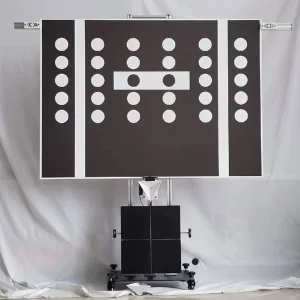
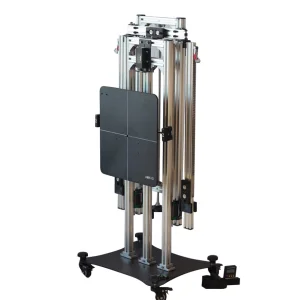
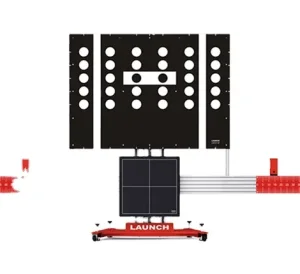
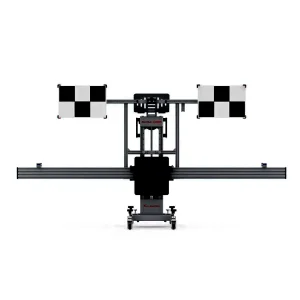
ADAS servicing is broadly divided into two major processes: Static Calibration, which is performed in a controlled workshop environment using specialized target boards, laser positioning arrays, and target frames; and Dynamic Calibration, which involves driving the vehicle on public roads under specific weather and lane-marking conditions to allow the onboard ECU to relearn sensor baselines.
| Calibration Metric | Static Calibration (Target Frame Based) | Dynamic Calibration (On-Road Learning) | |
|---|---|---|---|
| Setup Environment | Controlled indoor bay, level floor, matte lighting, no reflective objects. | Open roadways, distinct lane markings, minimal traffic, clear weather. | Controlled indoor bay, level floor, matte lighting, no reflective objects. |
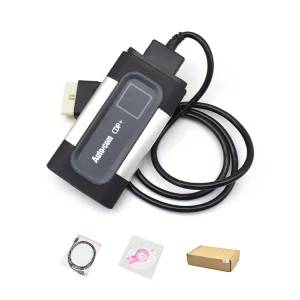
| Primary Equipment | Rigid target frames (e.g., AlignADAS S700), pattern boards, corner reflectors, laser lines. | OEM-compatible OBD diagnostic scanner (e.g., LAUNCH X-431 series). | Rigid target frames (e.g., AlignADAS S700), pattern boards, corner reflectors, laser lines. |
| Time Commitment | 15 - 45 minutes (primarily mechanical alignment of targets). | 30 - 90 minutes (highly dependent on traffic and road conditions). | 15 - 45 minutes (primarily mechanical alignment of targets). |
| Precision Limit | Sub-millimeter accuracy relative to the vehicle's geometric center/thrust line. | Dependent on onboard sensor algorithm convergence speeds. | Sub-millimeter accuracy relative to the vehicle's geometric center/thrust line. |
Engineered for high-volume commercial workshops requiring flexible, multi-vehicle coverage and fast ROI.
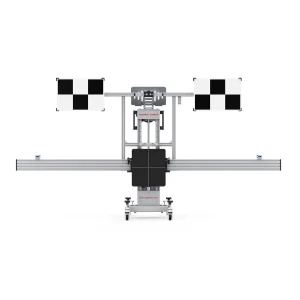
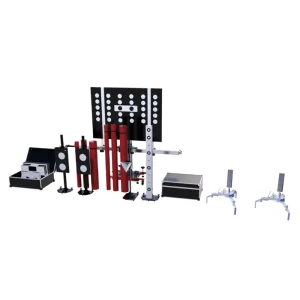
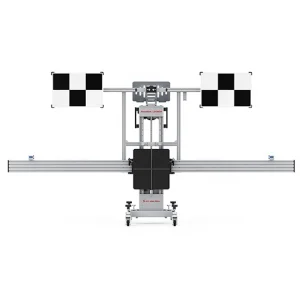
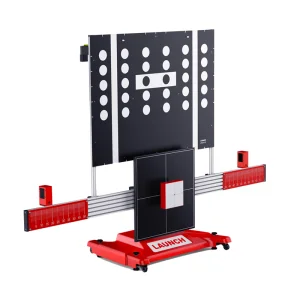
At a global level, the automotive aftermarket is experiencing a paradigm shift towards consolidation and technological sophistication. The integration of electric vehicles (EVs) introduces new chassis dynamics, battery tray layouts, and unique sensor positions. Our partnership with global manufacturing bases like Shenzhen, China, enables us to distribute top-tier, highly competitive diagnostic scan tools and vehicle calibration rigs that cost significantly less than historical single-make OEM frame systems.
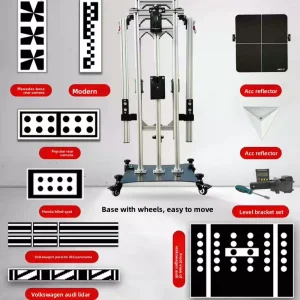
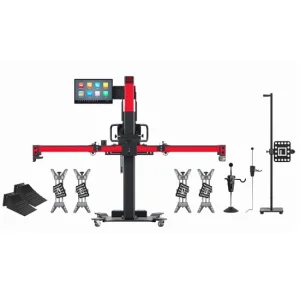
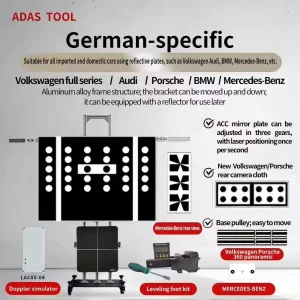
By utilizing multi-brand calibration systems featuring modular structural targets, modern garages can service European, Asian, and domestic American vehicles on a single shop bay. Our systems integrate advanced laser leveling, digital distance meters, and software-guided setup instructions, reducing technician setup errors and securing insurance approvals by providing standardized printouts of successful calibration parameters.
Read existing DTCs, confirm structural wheel alignment, verify correct tire pressures, and check fuel tank levels to ensure proper vehicle geometry.
Utilize laser positioning markers or digital cameras to align the ADAS calibration frame exactly parallel to the vehicle’s thrust line.
Mount the required target boards, execute the scanner software routine, verify calibration status, and output the digital diagnostic report.
In Pennsylvania, safety compliance is governed by strict state vehicle inspection rules. Under PennDOT (Pennsylvania Department of Transportation) guidelines, vehicles must undergo annual safety inspections. If a vehicle has undergone windshield replacement, bumper repair, steering or suspension part replacements, or structural alignment, an ADAS recalibration is required to ensure passenger safety.
Failure to perform recalibration after structural work can cause safety systems to malfunction. For example, automatic emergency braking (AEB) systems might deploy unexpectedly, or lane-keep systems could steer vehicles out of their lane. Our platforms ensure that local body shops can document their calibrations with detailed digital reports, reducing liability risks and meeting all insurance standards.
Shenzhen Manata Scanner Co., Ltd. is a leading China automotive diagnostic equipment manufacturer specializing in advanced vehicle inspection systems and ECU diagnostic solutions for the global automotive aftermarket. With a strong commitment to innovation, quality, and intelligent vehicle servicing, Manata Scanner delivers reliable diagnostic technologies designed to improve maintenance efficiency, reduce downtime, and support modern workshop operations.
The company offers a comprehensive portfolio of automotive diagnostic equipment, including vehicle inspection systems, ECU programming and coding tools, automotive scan tools, ADAS calibration equipment, EV battery diagnostic systems, TPMS diagnostic devices, and intelligent fleet diagnostic solutions. These products are widely used by automotive repair workshops, vehicle inspection centers, dealerships, fleet operators, and maintenance service providers worldwide.
Driven by continuous technological innovation, Shenzhen Manata Scanner Co., Ltd. integrates artificial intelligence, cloud connectivity, big data analysis, and advanced electronic testing technologies into its product development process. The company's R&D team focuses on creating intelligent, accurate, and user-friendly diagnostic solutions capable of meeting the evolving requirements of both conventional and new energy vehicles.
Quality is at the core of Manata Scanner's manufacturing philosophy. The company implements strict quality management procedures throughout design, production, testing, and final inspection to ensure stable performance and long-term reliability. Its products are engineered to comply with international standards and are exported to customers across Europe, North America, South America, Southeast Asia, the Middle East, and other global markets.
Committed to becoming a trusted global partner in automotive diagnostics, Shenzhen Manata Scanner Co., Ltd. continues to provide innovative products, professional technical support, and customized solutions that help customers enhance service capabilities and operational efficiency.
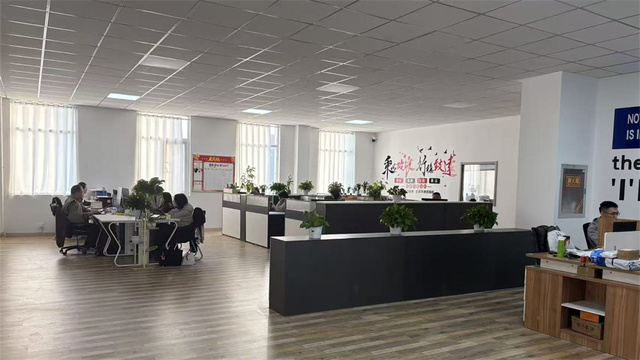
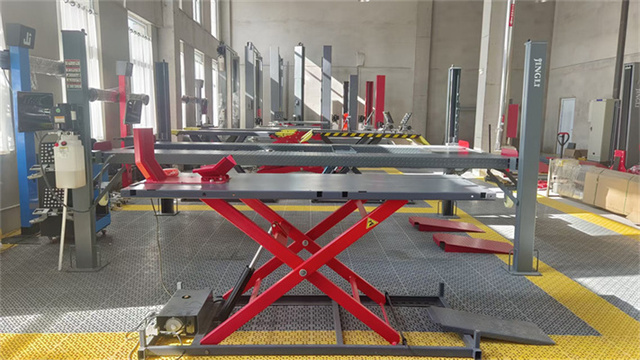
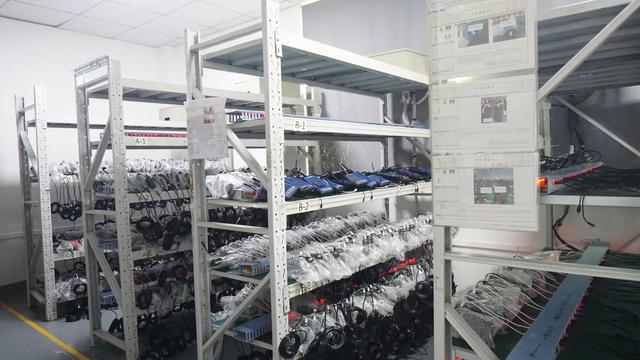
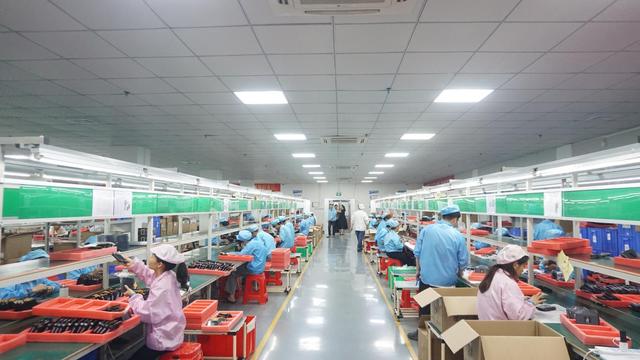
Comprehensive ADAS system targets, radar reflectors, and vehicle electronic tools customized for Philadelphia service hubs.
As the automotive industry progresses to Level 3 and Level 4 vehicle autonomy, sensor configurations are changing rapidly. While current systems focus heavily on forward cameras, rear blind-spot radar, and ultrasonic sensors, upcoming vehicles will incorporate solid-state LiDAR sensors and advanced multi-spectral camera systems.
Calibrating these advanced sensors requires upgraded diagnostic platforms. Our engineering roadmap focuses on integrating digital target displays (using high-definition projection systems) and smart optical centering tools to replace static physical target boards. This helps workshops prepare for future vehicle designs, reduces storage requirements, and improves processing speeds for next-generation calibrations.
 Manata Scanner