Industrial-grade automotive scanning systems, remote VCIs, TPMS, and precision measurement solutions.
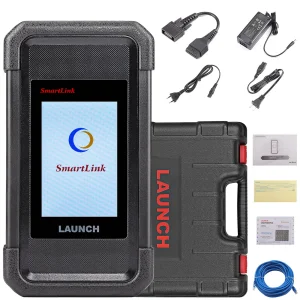

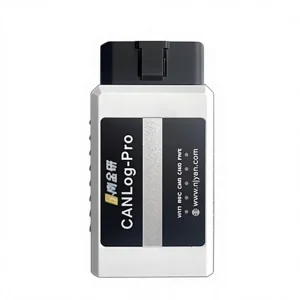
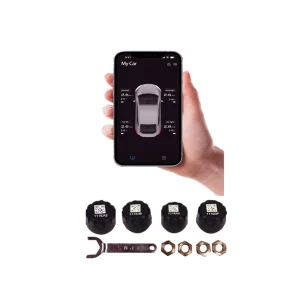
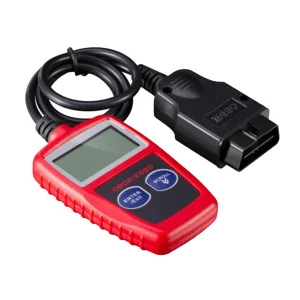
An in-depth analysis of technical specifications, global procurement requirements, and technological trends transforming modern workshops.
Modern passenger and commercial vehicles have evolved far beyond basic mechanical setups. With the integration of Advanced Driver Assistance Systems (ADAS), electric drivetrains, and smart suspension systems, the parameters governing wheel alignment have transitioned from structural adjustments to safety-critical sensor calibration. As a global procurement manager or workshop network operations director, identifying a top trusted wheel alignment systems manufacturer requires assessing hardware reliability, software adaptability, and structural alignment workflows.
Historically, wheel alignment relied on mechanical gauges, bubble levels, and subsequently, optoelectronic sensors (CCD technology) linking individual wheel clamps via infrared beams. While CCD systems remain viable for specific utility configurations, modern high-throughput workshops demand the speed and repeatability of optical 3D digital imaging systems.
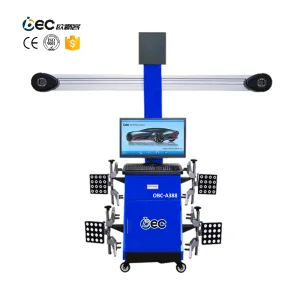
3D laser and optical alignment technologies utilize high-resolution digital cameras configured on a rigid crossbeam to map the spatial coordinates of retroreflective targets mounted on the vehicle's wheels. The system reconstructs a multi-dimensional spatial model of the chassis in real-time, matching caster, camber, toe-in, toe-out, thrust angle, and kingpin inclination against an integrated vehicle database.
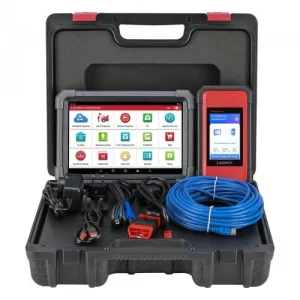
Today, the state-of-the-art includes the convergence of 3D alignment with ADAS calibration. When a vehicle undergoes a chassis adjustment, the rear thrust angle or front toe settings are altered. Consequently, the geometric centerline of the vehicle shifts. ADAS sensors (radar, LIDAR, and cameras) rely on the physical thrust line to orient their field of view. A difference of just 0.5 degrees in mechanical alignment can cause an ADAS camera to misinterpret obstacle distances at highway speeds, presenting severe liability concerns. Modern workshops are opting for setups like the OBC 3D Laser Wheel Alignment System with ADAS Calibration MaxiSys Ultra Tablet to synchronize mechanical adjustments with electronic system calibrations.
Procuring industrial-grade wheel alignment systems for large networks or distributions requires strict adherence to technical benchmarks. When analyzing data sheets from wheel alignment suppliers, evaluate the following crucial parameters:
High-resolution industrial cameras (typically 5 Megapixels or greater) with high-frequency LED strobe illumination ensure stable tracking even in fluctuating workshop lighting conditions.
Look for carbon-fiber or durable composite target plates. Targets containing no active electrical components are immune to drop damage, eliminating the need for frequent recalibration.
Ensure tolerances for toe measurements are accurate to within ±0.02 degrees, and camber to within ±0.05 degrees, conforming to international metrology certification standards.
Furthermore, software infrastructure plays a critical role in the procurement process. An alignment system is only as good as its underlying vehicle database. Leading manufacturers provide cloud-updated databases covering over 50,000 global vehicle models, encompassing domestic, European, Asian, and regional electric vehicle profiles. This ensures your service center is equipped to align the latest vehicle architectures without delay.
Shenzhen Manata Scanner Co., Ltd. is a leading China automotive diagnostic equipment manufacturer specializing in advanced vehicle inspection systems and ECU diagnostic solutions for the global automotive aftermarket. With a strong commitment to innovation, quality, and intelligent vehicle servicing, Manata Scanner delivers reliable diagnostic technologies designed to improve maintenance efficiency, reduce downtime, and support modern workshop operations.
The company offers a comprehensive portfolio of automotive diagnostic equipment, including vehicle inspection systems, ECU programming and coding tools, automotive scan tools, ADAS calibration equipment, EV battery diagnostic systems, TPMS diagnostic devices, and intelligent fleet diagnostic solutions. These products are widely used by automotive repair workshops, vehicle inspection centers, dealerships, fleet operators, and maintenance service providers worldwide.
Driven by continuous technological innovation, Shenzhen Manata Scanner Co., Ltd. integrates artificial intelligence, cloud connectivity, big data analysis, and advanced electronic testing technologies into its product development process. The company's R&D team focuses on creating intelligent, accurate, and user-friendly diagnostic solutions capable of meeting the evolving requirements of both conventional and new energy vehicles.
Quality is at the core of Manata Scanner's manufacturing philosophy. The company implements strict quality management procedures throughout design, production, testing, and final inspection to ensure stable performance and long-term reliability. Its products are engineered to comply with international standards and are exported to customers across Europe, North America, South America, Southeast Asia, the Middle East, and other global markets.
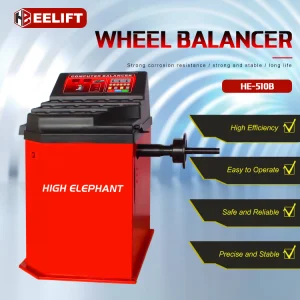
In high-volume facilities, wheel alignment is not an isolated task; it is part of an integrated vehicle safety inspection ecosystem. When designing a modern workshop layout, the alignment system must interface with scissor lifts, tire changers, and under-vehicle inspection rigs.
Consider the workflow of a high-throughput lane:
Integrating these tools under one cohesive hardware and software umbrella reduces vehicle processing time from hours to minutes, boosting workshop productivity and customer retention.
Procuring workshop equipment internationally presents challenges concerning regulatory compliance, software localization, and long-term support. Equipment must comply with regional standards: CE certifications for Europe, FCC standards for North America, and various metrology approvals for precision equipment.
Localization is another critical consideration. High-quality wheel alignment software must offer multilingual interfaces, including English, Spanish, German, French, Arabic, and Chinese, along with local measurements (degrees, minutes, millimeters, or fractions of an inch). Reliable manufacturers support these configurations natively.
Equally important is post-purchase support. Since a malfunctioning alignment machine can stall shop operations, suppliers must guarantee:
The automotive industry's rapid shift toward electrification introduces new challenges for chassis calibration. Electric vehicles (EVs) are significantly heavier than ICE vehicles due to their large lithium-ion battery packs. This weight profile places higher mechanical stress on suspension bushings, control arms, and tie rods, accelerating alignment wear.
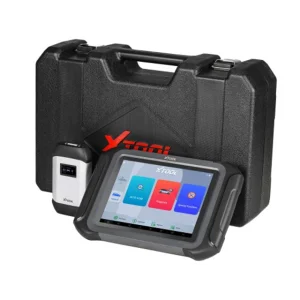
Furthermore, EVs feature sophisticated regenerative braking systems that rely on steering angle precision to distribute traction control torque. Alignment equipment must adapt to new EV measurement procedures, integrating high-voltage battery diagnostic checks (using tools like the XTOOL D9EV Diagnostic Scanner) alongside physical geometry tests to ensure the vehicle's structural integrity remains sound.
Looking ahead, next-generation alignment systems will increasingly adopt contactless optical technology. Using lasers and robotic camera systems, these devices will measure alignment instantly as the vehicle drives past, eliminating the need to attach physical target clamps to the wheels. This transition will minimize preparation time, eliminate the risk of alloy wheel damage, and double the capacity of diagnostic inspection bays.
Get answers to common technical, logistical, and workflow integration questions from our expert diagnostics team.
Explore our core selection of vehicle scanners, heavy-duty truck diagnostics, and optical calibration systems.


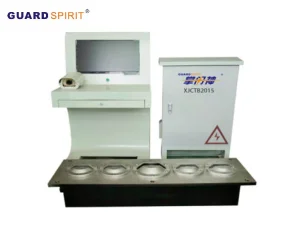
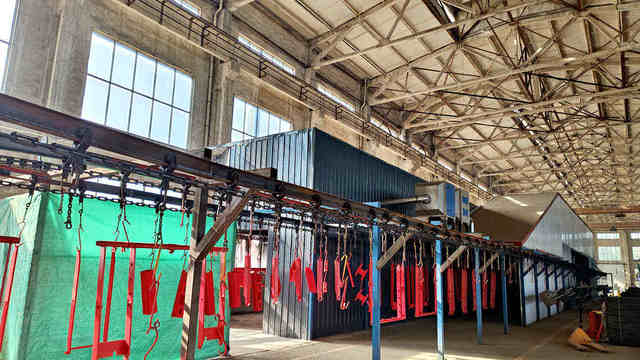
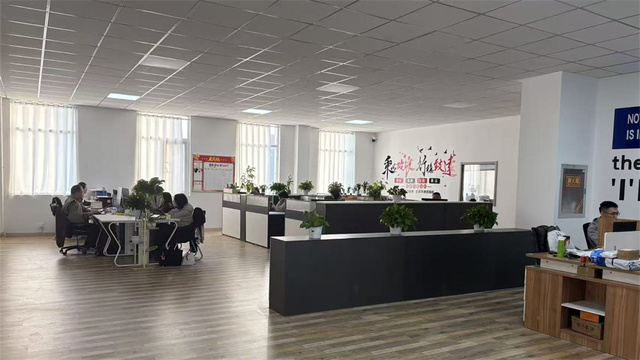
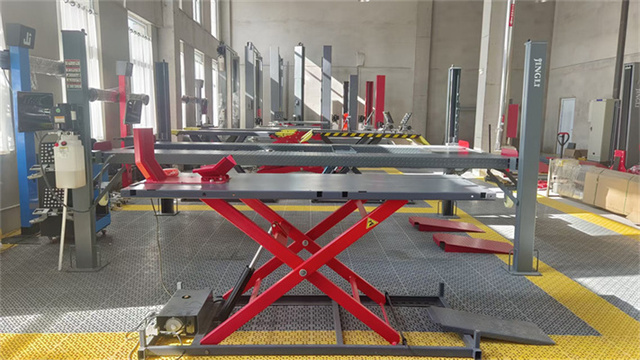
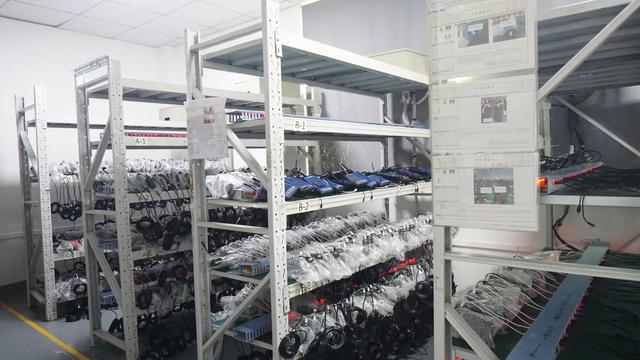
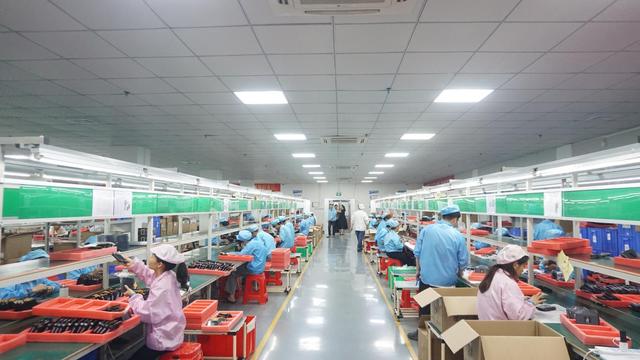
Take a closer look at our state-of-the-art production environments, precision alignment calibration zones, and strict QC testing facilities.
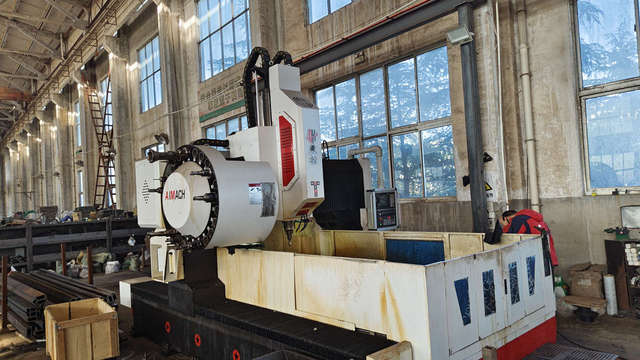
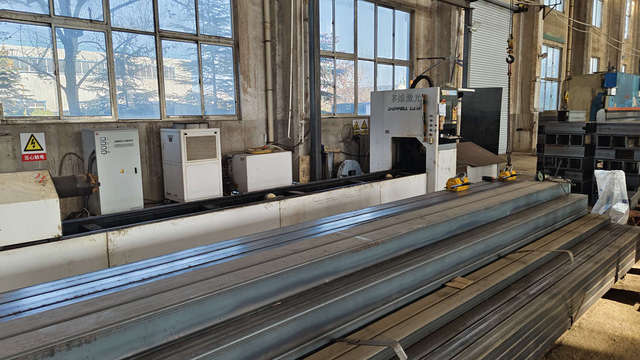
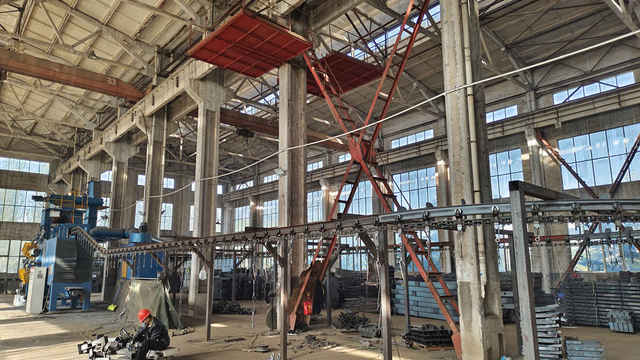
 Manata Scanner