Top China Vehicle Diagnostic Interface Tools Manufacturers & Suppliers

A Comprehensive Industry Whitepaper on Global Procurement, Supply Chain Integrity, and Next-Generation Diagnostics Technology

Featured Diagnostic Hardware & Systems

Direct from leading China production facilities, optimized for global compatibility, compliance, and field performance.
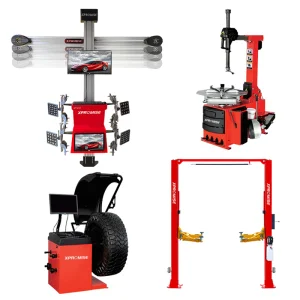
Automobile Maintenance Auto Repair Scanner Tools
Automobile Maintenance/Auto Repair Equipment/Automatic Tire Changer/Auto Diagnostic Tool/Auto Scanner/Auto Diagnostic Tools
Learn More
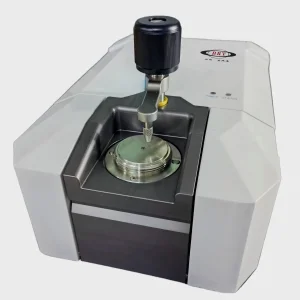
Infrared Optical Emission Spectrometer
Factory Customization Infrared Optical Emission Spectrometer for Metal Testing Fourier Transform Infrared Spectrometer
Learn More
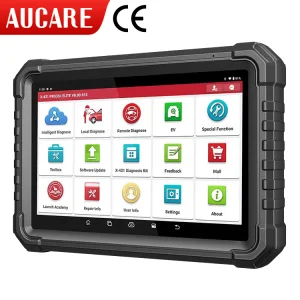
Launch X431 PRO3S Elite Scanner
2 Year Warranty Remote Diagnostics Can Overcome Distance Limitations Launch X431 PRO3S+ Elite Car Diagnostic Scanner
Learn More
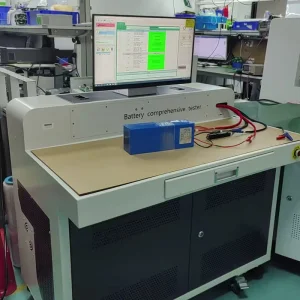
Battery Pack Tester
84V 10A 60A Battery Pack Comprehensive Tester Equipment
Learn More
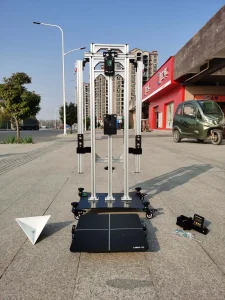
ADAS Calibration Tool
Foldable ADAS Calibration SystemTool ACC Radar Camera Calibration for Volkswagen Audi BMW Geely NIO Nissan All Cars
Learn More
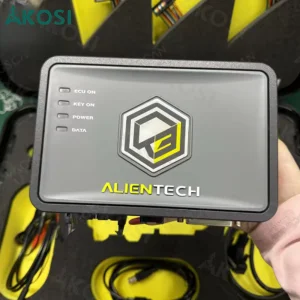
Alientech Kess V3 Tool
2026 ALIENTECH KESS V3 KESS3 ECU TCU Power Modification Adjustment Repair Clone Read Write TCU Programming Tool OBD Boot Bench
Learn More
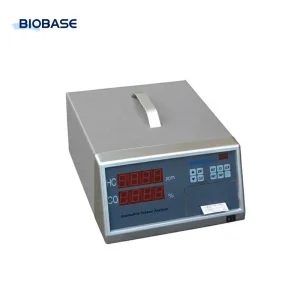
Exhaust Gas Analyzer
BIOBASE China Exhaust Gas Analyzer Car Automotive Emission Tester Petrol and diesel Exhaust Gas Analyzer
Learn More
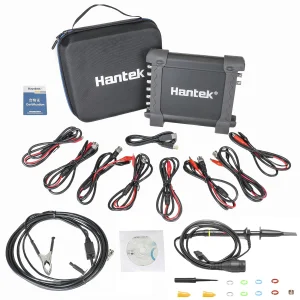
Automotive Diagnostic Oscilloscope
AIsmartlink Automotive Diagnostic /DAQ/Programmable Generator Hantek 1008C PC USB 8CH Digital Oscilloscope
Learn More

1. The Evolving Paradigm of Vehicle Diagnostic Interfaces (VDI)

The global automotive aftermarket is undergoing a fundamental technological shift. The transition from legacy mechanical assemblies to software-defined vehicles (SDVs) has transformed how automotive technicians interact with vehicle networks. At the center of this transformation lies the Vehicle Diagnostic Interface (VDI)—the hardware and firmware bridge that converts internal vehicle communication protocols into actionable, human-readable data streams.

Historically, the basic OBD-II interface operating on slow K-Line or low-bandwidth Controller Area Network (CAN) protocols was sufficient. However, modern automotive platforms rely on high-bandwidth architectures such as CAN FD (Flexible Data-rate), Automotive Ethernet (based on 100BASE-T1 or 1000BASE-T1 physical layers), and advanced DoIP (Diagnostics over Internet Protocol) standards. These technologies are required to handle the massive data streams generated by Advanced Driver Assistance Systems (ADAS), battery management modules in Electric Vehicles (EVs), and high-resolution sensor arrays. As a result, procurement of diagnostic equipment requires a deep understanding of standard compliances such as J2534 Pass-Thru, ISO 22900 (D-PDU API), and RP1210 protocols to avoid hardware obsolescence.

“Industry Data Insight: Over 75% of new commercial and consumer vehicle platforms launched globally after 2024 rely on CAN FD or DoIP protocols, demanding high-frequency diagnostic transceivers and robust physical interfaces.”

2. Why China is the Global Hub for Diagnostic Interface Manufacturing

China, particularly the Shenzhen industrial region, has emerged as the definitive ecosystem for developing and producing high-performance vehicle diagnostics tools. This dominant position is supported by several key factors:

  • Integrated Microelectronics Supply Chain: Chinese manufacturers operate in close proximity to the world’s leading PCB fabrication houses, microchip packaging factories, and surface-mount technology (SMT) assembly centers. This close integration reduces the time-to-market for new diagnostic platforms from years to months.
  • Agile Firmware and Hardware Co-Development: The rapid adaptation of diagnostic tools to support newly introduced vehicle microcontrollers (ECUs) requires direct access to high-tier engineering talent. China's software ecosystem allows rapid development of complex low-level drivers, bootloader protocols, and database files (ODX/PDX).
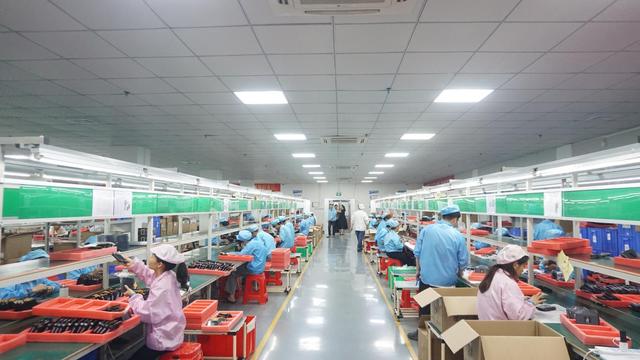
  • Advanced Quality Standards and Scale: Modern production facilities like those of Shenzhen Manata Scanner Co., Ltd. operate under ISO 9001 and IATF 16949 quality management systems, guaranteeing that bulk diagnostic interfaces achieve the low failure rates required by professional repair networks and vehicle assembly plants alike.

3. Global Enterprise Procurement: Key Selection Criteria

For B2B buyers, fleet operators, and industrial distributors, procuring vehicle diagnostic interface tools is not merely about finding the lowest unit cost. Long-term reliability, firmware upgradability, and compliance are critical for successful deployments. Key evaluation pillars include:

99.8% Hardware Uptime Under harsh industrial workshop conditions
DoIP/CAN FD Future-Proof Standard Native integration for high-speed protocols
J2534 Pass-Thru Compliant Direct communication with OEM cloud systems
API & SDK System Integration Allows seamless integration with custom software

In addition, enterprise buyers must evaluate the vendor's software support lifespan. A diagnostic tool is only as good as its vehicle database. A manufacturer that consistently updates its database with new passenger vehicle models and heavy-duty diagnostic parameters ensures that procurement investments remain valuable for years to come.

4. High-Value Application Scenarios: ADAS, EV Batteries, & Fleet Telematics

The scope of modern vehicle diagnostics has expanded far beyond simple engine fault codes. Today's tools serve key roles in complex automotive maintenance fields:

A. Advanced Driver Assistance Systems (ADAS) Calibration

Following windshield replacements, bumper removals, or minor alignment corrections, safety sensors like front-facing cameras, radar modules, and LIDAR units must be recalibrated. Modern foldable ADAS calibration systems, paired with precise targeting interfaces, allow technicians to execute OEM-level static and dynamic calibrations to maintain vehicle safety integrity.

B. EV Battery Diagnostics and Battery Pack Analysis

With electric vehicles (EVs) representing a rapidly growing market segment, battery pack health analysis is critical. Specialized EV diagnostics equipment tests individual cell voltages, temperature gradients, and State of Health (SOH) indicators. State-of-the-art comprehensive battery testers allow workshops to isolate malfunctioning cell blocks, saving fleet operators from premature battery pack replacements.

C. Advanced Engine & Component Level Testing

Analyzing transient electrical issues or verifying fuel injection signals demands more than digital codes. Technicians rely on automotive oscilloscopes and sensor simulators to capture high-speed signal waveforms directly from the vehicle’s wiring harness. This pinpoint diagnosis avoids costly parts-guessing practices.

Advanced Diagnostic & Laboratory Hardware

Ensure precision and system integrity with professional inspection, testing, and alignment equipment.
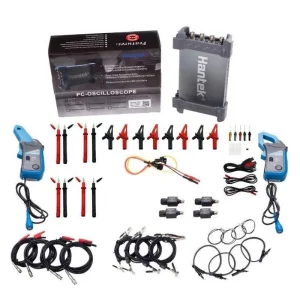
Hantek Automotive Diagnostic Oscilloscope
Hantai Hantek6074BE/6104BE/6204BE/6254BE Automotive Diagnostic Oscilloscope 220V OLIVER Car Fitment Engine Test
Learn More
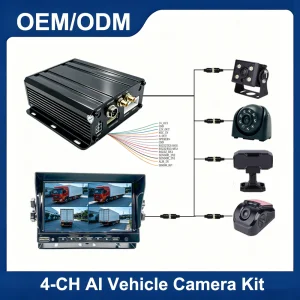
Mobile DVR Security Kit
7 Inch Monitor 4CH 1080P Mobile DVR 4G GPS WIFI AI ADAS DMS BSD Vehicle Security Kit for Truck Fleet Management System OEM/ODM
Learn More
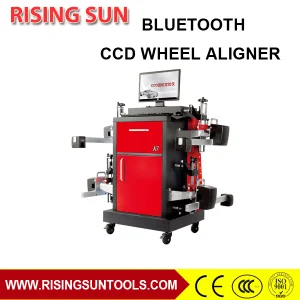
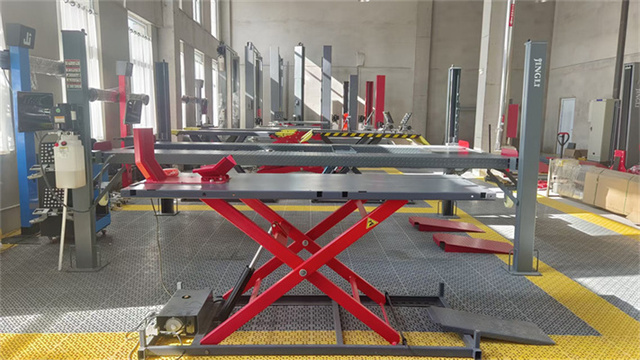
Automotive CCD Wheel Alignment
Automotive CCD Wheel Alignment Equipment for Garage
Learn More
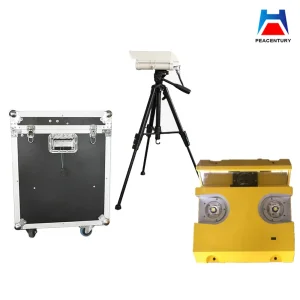
Under Vehicle Inspection System
China Factory Under Vehicle Inspection System with Best Price
Learn More
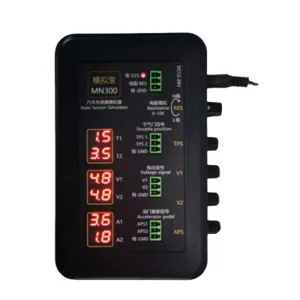
MN300 Auto Sensor Tester
New Arrival MN300 Auto Sensor Simulator Automotive Tester Car Rail Oxygen Oil Pressure Flow Sensor Signal Generator
Learn More
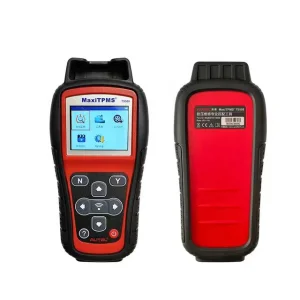
Autel TS508 TPMS Tool
Autel Tool TPMS TS508WF TPMS Valve ProgrammingTools Autel Scanners Car Tire Pressure Monitoring Tire TPMS Autel TS508
Learn More
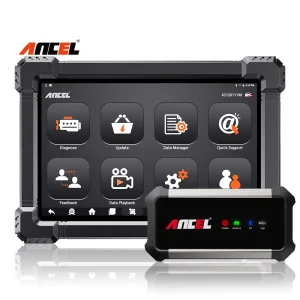
Ancel X7 HD Truck Scanner
Diagnostic Tools Heavy Duty Truck Ancel X7 HD Automotive Scanner Full System Injector Coding Reset Auto Diagnostic Truck Scanner
Learn More
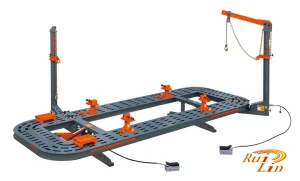
Ruiln Auto Body Repair Equipment
Ruiln Auto Body Frame Machine Chassis Liner Car Repair Bench Equipment
Learn More

5. Technical Standards Compliance & Global Market Access

Exporting diagnostic hardware from China to heavily regulated markets requires strict compliance with international certification frameworks. For a seamless procurement cycle, buyers should verify the following credentials:

Electromagnetic Compatibility (EMC) and Safety Certifications

Because diagnostic interfaces connect directly to vehicle communication buses, they must avoid emitting electromagnetic interference (EMI) that could disrupt onboard computers. Proper CE (Europe), FCC (United States), and RoHS compliances are mandatory baseline requirements. Advanced manufacturers implement isolated power supplies and TVS (Transient Voltage Suppressor) diodes to shield internal hardware from vehicle power surges.

Data Security & UNECE R155/R156 Standards

With vehicle manufacturers locking access behind Secure Gateway (SGW) systems, diagnostic tools must support certified authentication standards. Modern tools leverage secure cloud authentication tokens to bypass OEM gateways legally and perform vital bi-directional controls without compromising cyber security.

Shenzhen Manata Scanner Co., Ltd. - Industrial Capabilities

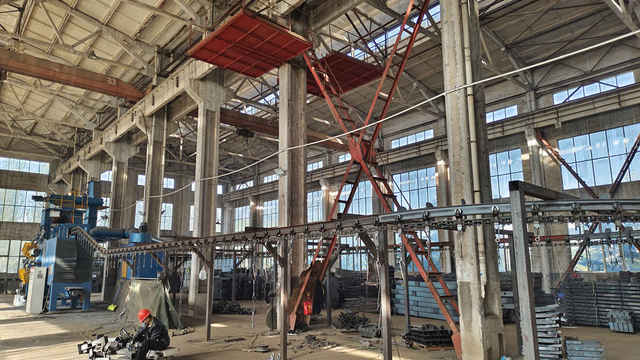
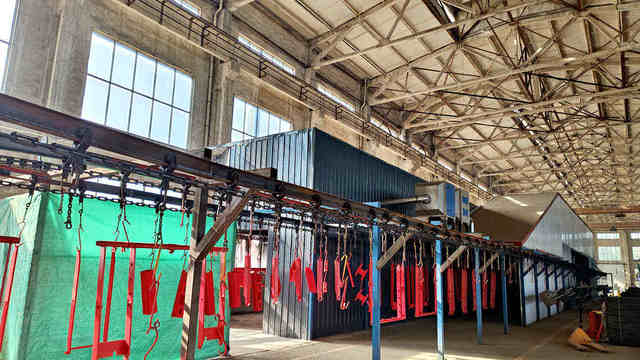
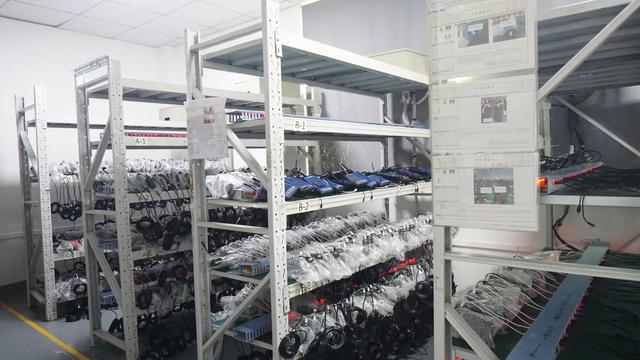
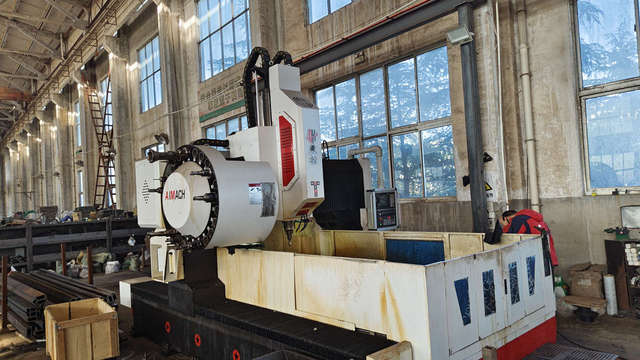
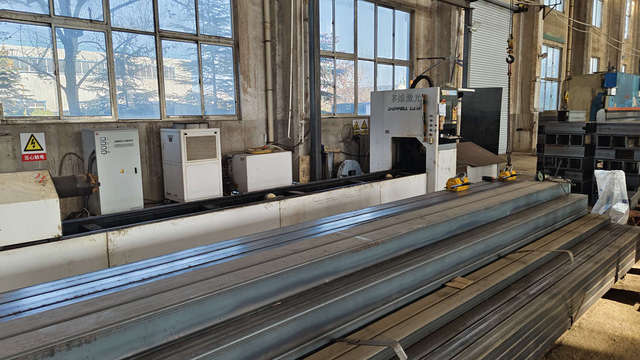
Shenzhen Manata Scanner Co., Ltd. is a leading China automotive diagnostic equipment manufacturer specializing in advanced vehicle inspection systems and ECU diagnostic solutions for the global automotive aftermarket. With a strong commitment to innovation, quality, and intelligent vehicle servicing, Manata Scanner delivers reliable diagnostic technologies designed to improve maintenance efficiency, reduce downtime, and support modern workshop operations.

The company offers a comprehensive portfolio of automotive diagnostic equipment, including vehicle inspection systems, ECU programming and coding tools, automotive scan tools, ADAS calibration equipment, EV battery diagnostic systems, TPMS diagnostic devices, and intelligent fleet diagnostic solutions. These products are widely used by automotive repair workshops, vehicle inspection centers, dealerships, fleet operators, and maintenance service providers worldwide.

Driven by continuous technological innovation, Shenzhen Manata Scanner Co., Ltd. integrates artificial intelligence, cloud connectivity, big data analysis, and advanced electronic testing technologies into its product development process. The company's R&D team focuses on creating intelligent, accurate, and user-friendly diagnostic solutions capable of meeting the evolving requirements of both conventional and new energy vehicles.

Quality is at the core of Manata Scanner's manufacturing philosophy. The company implements strict quality management procedures throughout design, production, testing, and final inspection to ensure stable performance and long-term reliability. Its products are engineered to comply with international standards and are exported to customers across Europe, North America, South America, Southeast Asia, the Middle East, and other global markets.
Expert Q&A: Diagnostic Interface Technology

Get answers to critical technical questions regarding OBD protocol integration, global standards compliance, and purchasing parameters.

What is the difference between standard CAN and CAN FD, and why is it important?
Standard CAN (Controller Area Network) handles communication speeds up to 1 Mbps with an 8-byte payload. CAN FD (Flexible Data-rate) increases bandwidth to 5 Mbps or higher and accommodates up to a 64-byte payload. Because modern ECUs share immense volumes of sensor and system data, vehicle platforms constructed after 2020 rely on CAN FD to perform coding, programming, and flashing tasks.
What is DoIP, and do I need it in my automotive diagnostic tools?
DoIP stands for Diagnostics over Internet Protocol, defined under ISO 13400. It utilizes Ethernet networks to transfer diagnostic command sets at high speeds (up to 100 Mbps). DoIP is critical for flashing new firmware updates, reprogramming infotainment modules, and running diagnostic routines on modern architectures used by Volvo, BMW, Mercedes-Benz, Land Rover, and various EV brands.
Can these Chinese diagnostic interfaces support OEM-level J2534 Pass-Thru programming?
Yes, many advanced diagnostic interface modules from Shenzhen Manata Scanner Co., Ltd. are designed to be fully compliant with the SAE J2534-1 and J2534-2 standards. This protocol compliance allows workshop technicians to connect the device to a PC and use authorized OEM portal applications to reprogram vehicle controllers directly from official servers.
How do ADAS calibration tools interface with the vehicle diagnostic scanner?
During ADAS targeting (for lane keep assist, adaptive cruise control, or blind-spot monitoring), the diagnostic scanner must be plugged into the vehicle's OBD-II port. The scanner commands the vehicle's ECUs to enter calibration mode, registers alignment coordinates, and records validation reports to ensure the vehicle aligns with physical target setups.
What parameters do EV battery pack diagnostic tools monitor during testing?
High-voltage diagnostic tools interface directly with the battery management system (BMS) to extract parameters including individual cell voltage balancing, total pack temperature gradients, state of health (SOH) indexes, cycle counts, insulation resistance, and charge/discharge thermal behaviors. This analysis is crucial for identifying defective modules before runaway events occur.
What are the OEM/ODM possibilities for custom fleet operations diagnostics?
Shenzhen Manata Scanner Co., Ltd. provides customized diagnostic interfaces for fleet managers. This includes integrating tailored software APIs, building custom mobile application wrappers, flashing proprietary firmware packages, and developing ruggedized plastic housings to meet specific operational requirements.
How does Secure Gateway (SGW) protection impact diagnostic tool operations?
To prevent cyber attacks, vehicle brands like FCA, Renault, and Nissan restrict unauthorized OBD access through a Secure Gateway. Modern scanners solve this by integrating cloud authentication protocols. Users log in through licensed portals directly on the scanner to temporarily unlock gateway firewalls and perform bi-directional tests.
What warranty and technical assistance policies are typical for China-sourced VDIs?
Professional diagnostic tools from reputable suppliers typically come with a 1-year to 2-year warranty (such as the Launch X431 PRO3S+ series, which offers a 2-year warranty). Software updates are usually provided via cloud downloads, and hardware support is handled by remote diagnostics engineers.
Why is an automotive oscilloscope used alongside standard diagnostic scanners?
Scanners display computed diagnostic code data from ECUs. An oscilloscope (such as the Hantek 1008C or 6074BE) captures electrical signals directly from sensors and actuators in real time. This capability allows technicians to locate issues such as physical wire damage, sensor signal dropouts, and circuit noise that scanners might miss.
Is remote diagnostic capability over long distances reliable?
Yes. Modern diagnostic networks use high-speed cloud infrastructure to link remote vehicles to a centralized technician. An on-site diagnostic tool acts as a bridge, streaming raw OBD interface commands to a distant master console, which allows off-site master technicians to configure and reprogram vehicle systems.