Top China Automotive Fluid Testing Tools Manufacturer & Factories

Advanced Diagnostics, ECU Integration & Material Testing Systems for Global Aftermarkets

Featured Diagnostic & Analytical Systems

High-precision diagnostic hardware, ECU analysis modules, and electronic systems for professional testing centers.
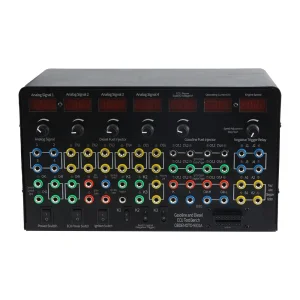
Automotive ECU Test Bench Sensor Signal Simulator

Automotive ECU Test Bench Sensor Signal Simulator Tester for Gasoline & Diesel Engine Diagnostics

Learn More
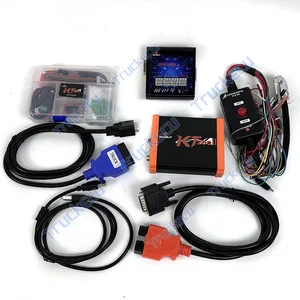
Full Version KT200 II ECU Programmer

Full Version KT200 II ECU Programmer for ECU Maintenance DTC Code Removal/OBD2

Learn More
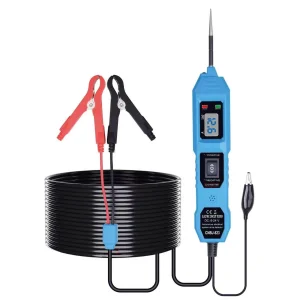
Handheld Automobile Electrical System Tester

DW EM823 Handheld Portable Automobile Electrical System Tester Driving Test Probe 3-40V

Learn More
EV Battery Fault Diagnostic Instrument

Electric Vehicle Battery Fault Diagnostic Instrument AE300

Learn More
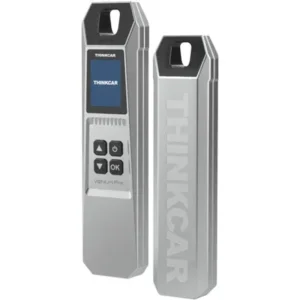
Thinkcar VENU IPRO TPMS Tools

2025 Thinkcar VENU IPRO Tire Pressure Inspection Tools TPMS System Code Reader

Learn More
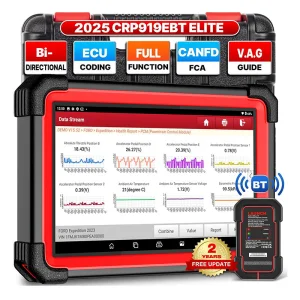
LAUNCH X431 CRP919E BT OBD Scanner

LAUNCH X431 CRP919E BT Bluetooth OBD Scanner Bi-directional Scan Tool

Learn More
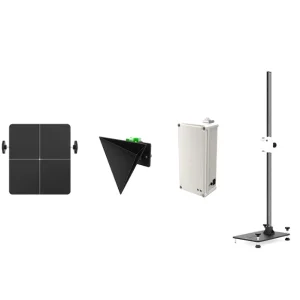
LAUNCH ADAS Radar Calibration Tool

LAUNCH ADAS Radar 3 in 1 Calibration Tool ACC Doppler Corner Reflector Kit

Learn More
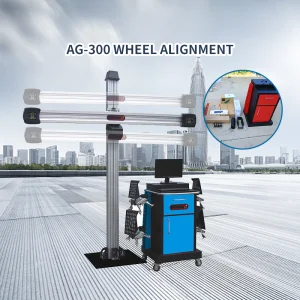
Portable Mobile 3D Camera Wheel Alignment Machine

Factory Price Portable Mobile Automatic 3D Camera Digital Wheel Alignment Machine

Learn More

Global Status & Industrial Significance of Fluid & Diagnostic Diagnostics

In the modern automotive industry, physical diagnostic operations are becoming increasingly unified with advanced digital analysis. Fluid testing (such as engine oil condition, brake fluid moisture analysis, and cooling system performance) is no longer a isolated routine task. Today's commercial vehicles and high-tech passenger cars utilize electronic sensor platforms to continually monitor and transmit variables that dictate fluid life cycles. Factors such as viscosity breakdown, chemical contamination, and thermal degradation are processed directly by engine management systems, translating physical fluid states into real-time digital sensor data.

The global aftermarket and fleet operations demand diagnostic tools that can bridge the physical and digital domains. Sensor signal simulators, universal mechanical property testers, and comprehensive OBD2 systems enable garages, fleet operators, and QA labs to execute cross-system analyses, ensuring the functional safety of critical hydraulic, pneumatic, and electronic control circuits.

99.8%
Diagnostic Accuracy via Integrated ECU Emulation
100+
Global Industrial Markets Served Worldwide
Predictive Maintenance
Using advanced sensors (like IEPE vibration accelerometers and NOx sensors) to detect early indicators of physical system fatigue and fluid deterioration.
Regulatory Compliance
Ensuring strict compliance with international emission metrics, safety requirements, and operational parameters through localized ADAS, TPMS, and fluid loop calibration systems.

China's Manufacturing Synergy & Technical Capabilities

Why global procurement leaders choose Chinese manufacturing for advanced diagnostic and material testing systems.

End-to-End Vertical Integration
Chinese industrial zones pool component fabrication, circuit design, custom plastic injection molding, and assembly in localized clusters. This drastically shortens the R&D-to-production cycle for complex tools like the WDW-10A Universal Testing Machine and custom multi-axis sensor simulators.
Advanced Calibration Frameworks
Strict adherence to ISO 9001 and CE protocols allows manufacturers to calibrate sensors under high-stress conditions, matching OEM precision tolerances for emission monitoring and physical structural load tests.
Scalable Customization (OEM/ODM)
Factories support scalable batch processing, custom branding, localized languages, and specific firmware protocols (OBD2 protocols, CAN-bus variants, ADAS target boards) to meet the direct needs of global distribution channels.
Device Category Core Testing Parameter Standard Compliance Applicable Industrial Scenario
ECU Simulators & Testers Gasoline / Diesel Sensor Output Emulation CE, FCC, OBD2 Standard Protocols Diagnostic Lab Benchmarking, ECU Reflashing
Vibration & Physical Sensors 3-Axis Acceleration, ICP Engine Vibration IEPE Standard (±50g range) Engine Shock Monitoring, Mechanical Wear Diagnostics
ADAS Calibration Kits ACC, Doppler Radar, Corner Reflectors ISO 15006, CE Approved Alignment Collision Repair & Electronic Safety System Calibration
Universal Testing Machines Microcomputer-Controlled Material Tensile Strength ASTM E4, ISO 7500-1, CE Fluid Hose Integrity, Polymer & Gasket Strain Profile

Localized Application Scenarios in Global Automotive Services

How industry experts employ physical diagnostic testing equipment across varying commercial settings.

1. Professional Repair Centers & High-Volume Workshops

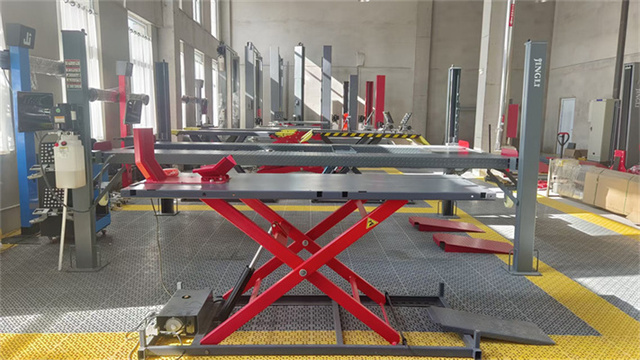
In high-capacity diagnostic bays, technicians utilize specialized ADAS radar tools and mobile 3D wheel alignment systems in parallel. Alignment parameters directly affect the geometry of safety sensors. By integrating physical optical alignment data with electronic ECU sensor feedback, technicians ensure collision repairs conform exactly to original factory specifications.

2. EV Fleet Battery Diagnostics & Thermal Management

Electric vehicle (EV) fleets prioritize preventative thermal fluid monitoring. Battery systems rely on liquid coolants to prevent thermal runaway. Specialized fault testers like the AE300 evaluate the electronic integrity of cell arrays, identifying latent circuit anomalies before physical fluid degradation leads to system failure.

3. High-Load Material & Fluid Valve Validation

In research laboratories, the WDW-10A Microcomputer Controlled Electronic Universal Testing Machine analyzes the mechanical degradation of rubber seals, cooling hoses, and fuel connections exposed to corrosive automotive fluids. Testing these materials under stress ensures the long-term containment of hot coolants, brake fluids, and synthetic oils.

Primary Procurement Concerns Addressed:

  • Cross-Compatibility: Seamless switching between 12V light passenger cars and heavy-duty 24V commercial diesel engine scan tools.
  • Software Upgradability: Continuous database updates for TPMS sensors, ECU protocols, and newer vehicle models.
  • Reliable Technical Support: Provision of remote diagnostic assistance to solve programming bottlenecks in complex ECU systems.
  • Sensor Calibration: Standardized procedures for ACC, corner radar, and multi-protocol emission systems (like high-durability NOx sensors).

About Shenzhen Manata Scanner Co., Ltd.

A trusted, leading manufacturer of advanced vehicle diagnostics and calibration systems.

Shenzhen Manata Scanner Co., Ltd. is a leading China automotive diagnostic equipment manufacturer specializing in advanced vehicle inspection systems and ECU diagnostic solutions for the global automotive aftermarket. With a strong commitment to innovation, quality, and intelligent vehicle servicing, Manata Scanner delivers reliable diagnostic technologies designed to improve maintenance efficiency, reduce downtime, and support modern workshop operations.

The company offers a comprehensive portfolio of automotive diagnostic equipment, including vehicle inspection systems, ECU programming and coding tools, automotive scan tools, ADAS calibration equipment, EV battery diagnostic systems, TPMS diagnostic devices, and intelligent fleet diagnostic solutions. These products are widely used by automotive repair workshops, vehicle inspection centers, dealerships, fleet operators, and maintenance service providers worldwide.

Driven by continuous technological innovation, Shenzhen Manata Scanner Co., Ltd. integrates artificial intelligence, cloud connectivity, big data analysis, and advanced electronic testing technologies into its product development process. The company's R&D team focuses on creating intelligent, accurate, and user-friendly diagnostic solutions capable of meeting the evolving requirements of both conventional and new energy vehicles.

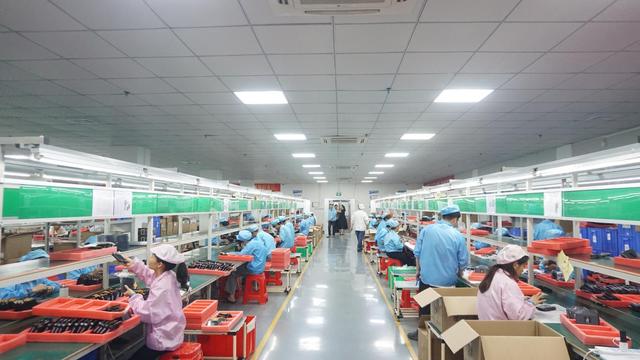
Quality is at the core of Manata Scanner's manufacturing philosophy. The company implements strict quality management procedures throughout design, production, testing, and final inspection to ensure stable performance and long-term reliability. Its products are engineered to comply with international standards and are exported to customers across Europe, North America, South America, Southeast Asia, the Middle East, and other global markets.

Committed to becoming a trusted global partner in automotive diagnostics, Shenzhen Manata Scanner Co., Ltd. continues to provide innovative products, professional technical support, and customized solutions that help customers enhance service capabilities and operational efficiency.
Strategic Trends: The Future of Vehicle Diagnostics

Understanding the transition to cloud-based diagnostics, advanced materials testing, and multi-sensor processing.

1. Over-the-Cloud Diagnostic Integration
Diagnostic scanners are moving from local databases to cloud-connected expert systems. Real-time updates allow technicians to fetch specific sensor emulation settings and flashing protocols instantly, minimizing latency and vehicle downtime.
2. Electric Vehicle Coolant Monitoring
As EVs utilize complex liquid thermal systems, diagnostic setups will increasingly measure the dielectric properties of fluids. This prevents electrical shorts and high-temperature degradation within high-capacity battery packs.
3. Comprehensive Emission Tuning
Fricton, mechanical wear, and fluid quality directly affect tailpipe emissions. Integrating NOx sensors, engine diagnostics, and physical vibration feedback allows systems to optimize diesel exhaust fluid injection and minimize pollutants.

Industry Technical Q&A

Technical answers to frequent queries in automotive diagnostic, material, and electrical sensor systems.

How does a sensor signal simulator debug automotive ECU errors?
A sensor signal simulator emulates precise electrical signals (voltage, frequency, PWM waveforms) that match standard engine sensor outputs (such as crankshaft, camshaft, temperature, and fluid level sensors). By inputting these controlled signals directly into the ECU, technicians can determine if the engine control unit correctly interprets sensor parameters, helping isolate wire faults and software bugs from physical sensor failures.
What are the target application limits for WDW-10A testing machines in automotive component manufacturing?
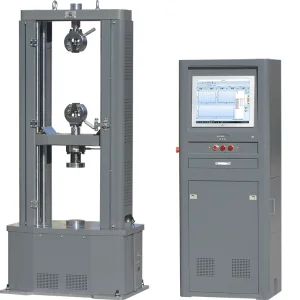
The WDW-10A is a microcomputer-controlled universal testing machine configured to assess the tensile, compressive, and shear strength of materials up to 10kN. In automotive engineering, it is utilized to test the structural limits of high-pressure fluid hoses, rubber seals, gaskets, and plastic couplings, ensuring components do not fail under pressure or chemical stress over their service life.
Why is TPMS calibration essential alongside standard tire and alignment servicing?
Tire Pressure Monitoring Systems (TPMS) track physical tire inflation and temperature parameters. Proper calibration via tools like the Thinkcar VENU IPRO ensures that after mechanical wheel alignment or tire replacement, the electronic control systems correctly receive pressure signals. This prevents incorrect warnings and optimizes fuel efficiency and vehicle safety.
How do battery diagnostic instruments assess thermal runaway risk in hybrid/electric vehicles?
Tools like the AE300 monitor voltage variations, cell internal resistance, and state-of-charge (SoC) profiles. When integrated with onboard temperature readings, these measurements indicate anomalies in the battery cells or thermal management systems, helping flag potential fluid coolant blockages or high resistance values before dangerous thermal runaway occurs.
What diagnostic protocols are required for heavy-duty 24V diesel engines versus 12V passenger cars?
Heavy-duty 24V diesel systems primarily utilize J1939 and J1708 communication protocols to manage massive emission control arrays (including AdBlue fluid lines and NOx sensors). Conversely, 12V passenger cars utilize standard OBD2 OBD protocols (such as ISO 15765 CAN). Devices like the F3-G diagnostic scanner support both voltage architectures and communication standards to ensure wide fleet coverage.
How does modern ADAS radar calibration correlate with physical wheel alignment?
ADAS safety sensors (radar, lidar, and camera systems) rely on the vehicle's physical thrust line to calculate spatial paths. If the wheels are out of alignment, the radar sensors will point incorrectly, leading to errors in automatic braking or lane-keep systems. Executing a 3D camera wheel alignment prior to ADAS target calibration ensures the safety systems are aligned with the vehicle's physical path.

Advanced Calibration & Diagnostic Solutions

Professional calibration rigs, vibration sensors, universal testing machines, and heavy-duty diagnostic systems.
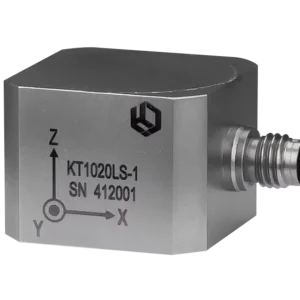
IEPE 3 Axis Piezoelectric Acceleration Sensor

IEPE 3 Axis Piezoelectric Acceleration Sensor ICP Vibration Accelerometer

Learn More
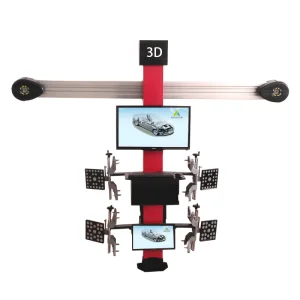
CE Approved Automotive Wheel Alignment Equipment

CE Approved Automotive Repair Wheel Alignment Workshop Equipment

Learn More
F3-G 24V Diesel Engine Diagnostic Scanner

F3-G 24V Diesel Engine Ecm Diagnostic Scan Diagnostic Scanner 2892092

Learn More
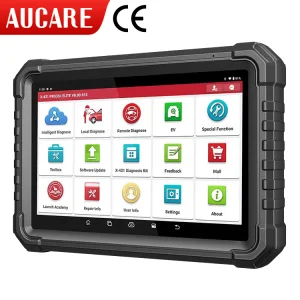
Launch X431 PRO3S+ Elite Car Diagnostic Scanner

2 Year Warranty Remote Diagnostics Launch X431 PRO3S+ Elite Car Diagnostic Scanner

Learn More
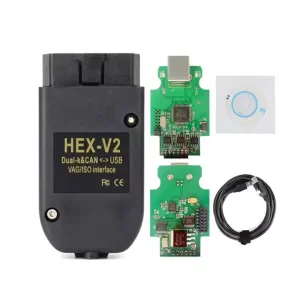
V25.3 VCDS HEX for Automotive Diagnostic Tool

V25.3 VCDS HEX for Automotive Diagnostic Tool HEX V2 OBD2 Car Scanner

Learn More
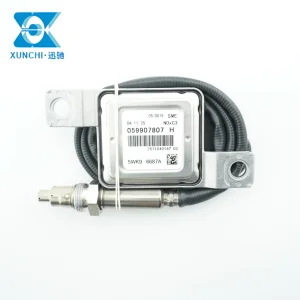
Nox Sensor VW Touareg Audi Q7

5WK96687A 059907807H Nox Sensor Good Quality Nitrogen Oxide Sensor For VW Touareg

Learn More
WDW-10A Universal Testing Machine

WDW-10A Microcomputer Controlled Electronic Universal Testing Machine

Learn More
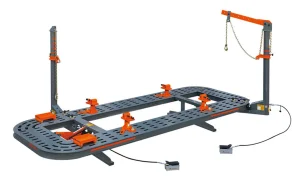
Car Frame Machine Auto Repair Equipment

Car Frame Machine Automotive Bench Auto Repair Equipment

Learn More