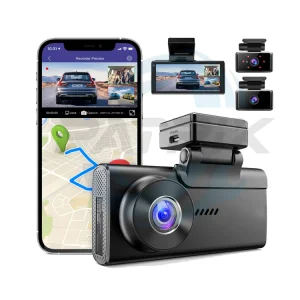
Explore our high-performance hardware array engineered for heavy duty fleet operations, automotive diagnostics calibration, and industrial-scale EV diagnostic systems.
The modern logistics and transport industry operates on razor-thin margins and demanding delivery windows. The deployment of advanced fleet vehicle monitoring tools has transitioned from an operational option to a regulatory and economic mandate. According to global logistics research, automated fleet intelligence lowers operating costs by up to 15% and increases resource utilization rates significantly. Telematics controllers, dynamic CAN Bus trackers, and high-precision diagnostic nodes form the backbone of this transformation.
As logistics systems expand cross-border, fleet managers struggle to capture clean data from heterogeneous fleets comprised of multi-brand diesel trucks, utility vans, and new energy vehicles (NEVs). Customized hardware platforms with high compatibility and robustness are highly sought after by commercial vehicle fleets. Here, customizable systems developed under strict ISO 9001 and IATF 16949 conditions fill key commercial and operational gaps.
From centralized cloud pipelines to edge analysis inside high-precision automotive electronics, the monitoring sector is undergoing key tech disruptions.
Instead of blindly sending unprocessed telemetry to servers, next-generation 4G/5G data loggers process core CAN parameters at the edge to immediately flag anomalies, conserving network bandwidth and reducing cloud storage costs.
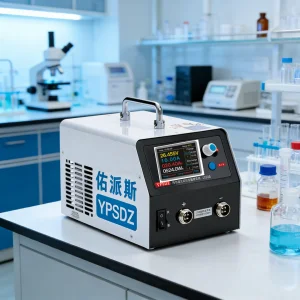
Commercial EV fleet growth has created a high demand for tools that assess pack degradation, individual cell capacity, and active temperature cycles during charge-discharge patterns in depot facilities.
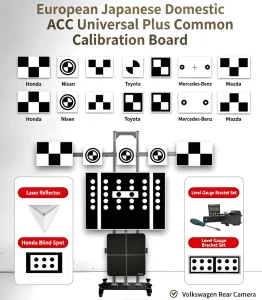
As active safety systems become standard on heavy trucks, companies require portable, high-precision ADAS calibration systems to align lane departure sensors and radar arrays after windscreen replacements and body repairs.
A premier global manufacturing center dedicated to designing, validating, and exporting automotive diagnostics hardware, CAN communication interfaces, and complete vehicle inspection software platforms.
By combining advanced embedded systems design with artificial intelligence algorithms, Manata Scanner helps repair networks and operators worldwide deploy diagnostic ecosystems tailored for their target markets.
Shenzhen Manata Scanner Co., Ltd. is a leading China automotive diagnostic equipment manufacturer specializing in advanced vehicle inspection systems and ECU diagnostic solutions for the global automotive aftermarket. With a strong commitment to innovation, quality, and intelligent vehicle servicing, Manata Scanner delivers reliable diagnostic technologies designed to improve maintenance efficiency, reduce downtime, and support modern workshop operations.
Driven by continuous technological innovation, Shenzhen Manata Scanner Co., Ltd. integrates artificial intelligence, cloud connectivity, big data analysis, and advanced electronic testing technologies into its product development process. The company's R&D team focuses on creating intelligent, accurate, and user-friendly diagnostic solutions capable of meeting the evolving requirements of both conventional and new energy vehicles.
Quality is at the core of Manata Scanner's manufacturing philosophy. The company implements strict quality management procedures throughout design, production, testing, and final inspection to ensure stable performance and long-term reliability. Its products are engineered to comply with international standards and are exported to customers across Europe, North America, South America, Southeast Asia, the Middle East, and other global markets.
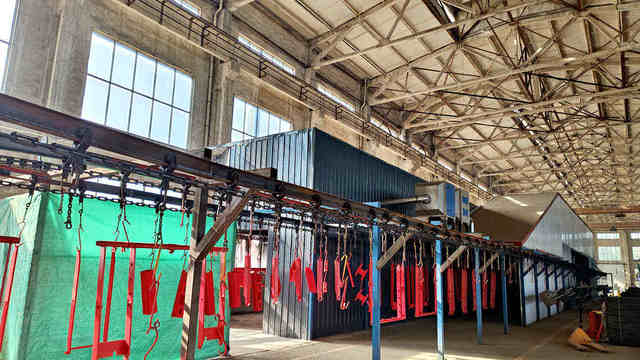

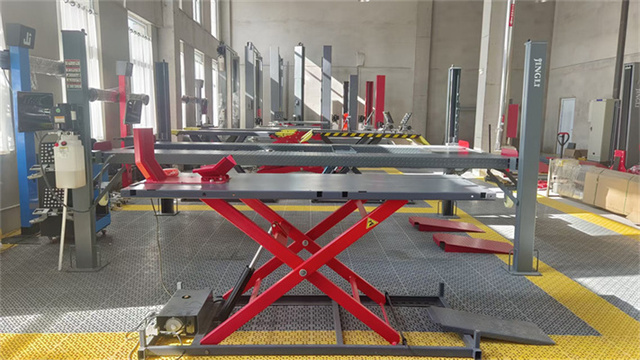
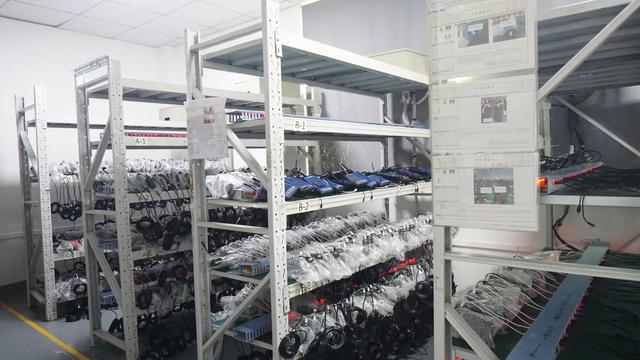
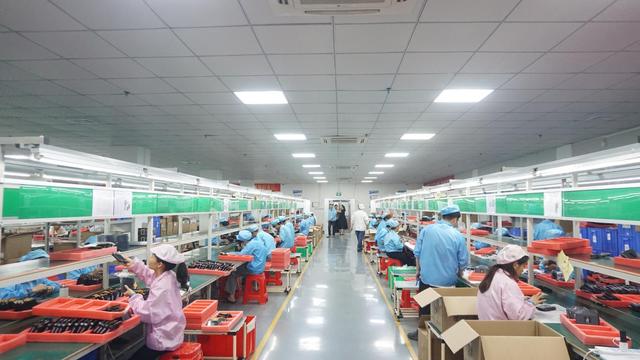
Discover how custom tracking nodes, OBD loggers, and heavy-duty diagnostic configurations resolve real-world deployment challenges.
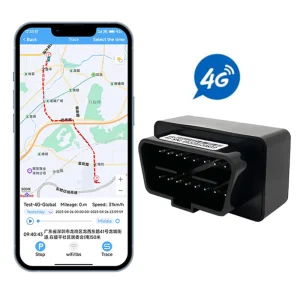
Commercial logistics yards use our multi-protocol data loggers (4G LTE, J1939 CAN Bus, K-Line) to gather accurate fuel data, engine RPM records, and exhaust temperatures. The high-durability waterproof shell ensures stable performance under demanding weather conditions.
Integrating oven-grade temperature trackers and multi-zone sensor logs prevents temperature anomalies in refrigeration units. Managers can match temperature records with location markers using the internal GPS modules.
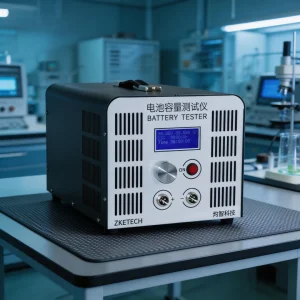
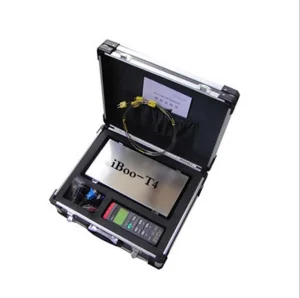
Transit authorities transitioning to hybrid or electric bus configurations deploy the Zketech EBD-B10H Tester at depot service bays to perform offline state-of-health analyses on battery cells, prolonging operational life and ensuring safety.
High-end fleet tracking controllers require components that handle severe vibration, extreme engine compartment temperatures, and electrical noise. Standard trackers fail under these demands. That is why our custom solutions feature:
We provide full-cycle design, layout creation, firmware compilation, and international compliance testing services.
Our electrical engineers design boards with isolated ground planes, thermal dissipating zones, and miniature footprints for automotive applications.
We compile clean diagnostic kernels supporting J1939, OBD-II (ISO 15765, ISO 9141, ISO 14230), and custom vehicle communication networks.
We construct functional prototypes and production-grade tooling to produce IP67-rated waterproof, chemical-resistant shells.
We manage environmental chamber testing, vibration simulation, CE/FCC EMC sweeps, and automotive RoHS compliance auditing.
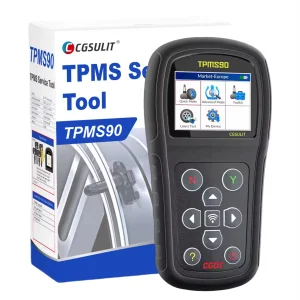
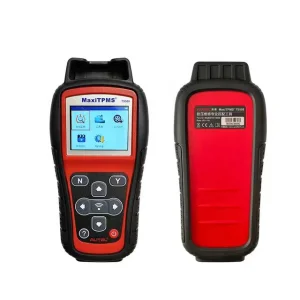
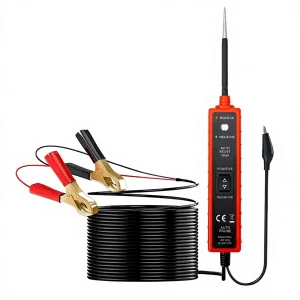
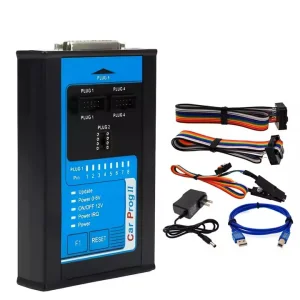
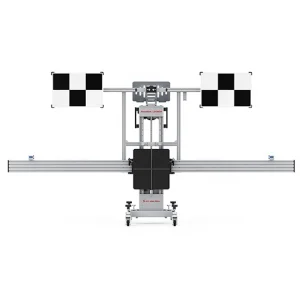
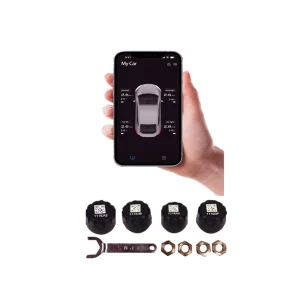
Optimize your fleet maintenance workflow using our advanced vehicle calibration frames, ECU programming bridges, and tire diagnostic tools.
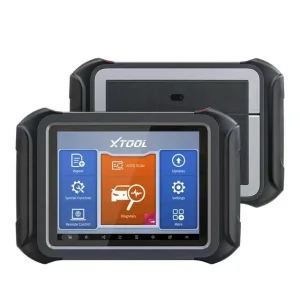
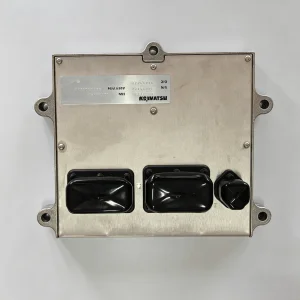
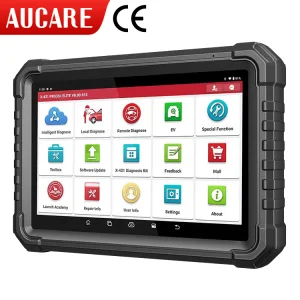
The transition toward Software-Defined Vehicles (SDVs) presents challenges for fleet maintenance platforms. Traditional diagnostic systems that only read basic diagnostic trouble codes (DTCs) are no longer sufficient. Our technical roadmap addresses these shifting industry requirements:
Future iterations of our diagnostic data loggers will incorporate 5G V2X (Vehicle-to-Everything) microcontrollers. This addition enables ultra-low latency alerts for safety-critical components, letting depot operators coordinate repairs before a fleet vehicle arrives at a service terminal.
As advanced driver-assistance systems become more integrated with vehicle chassis networks, calibration procedures must become faster and more precise. We are designing portable, self-calibrating targets that reduce setup time in logistics bays while ensuring alignment accuracy down to the millimeter.
Commercial EV fleets require deep battery monitoring. Our upcoming diagnostic tools will support online battery management system (BMS) interrogation. This allows technicians to pinpoint weak cell groups and identify temperature issues without having to disassemble physical battery enclosures.
Get answers to common technical, manufacturing, and operational questions about our fleet monitoring tools.
 Manata Scanner