Engineered to comply with strict international regulatory standards and robust field operations
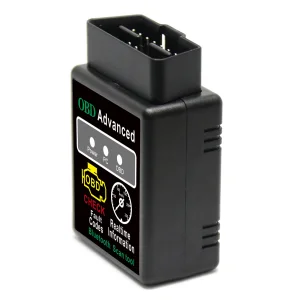
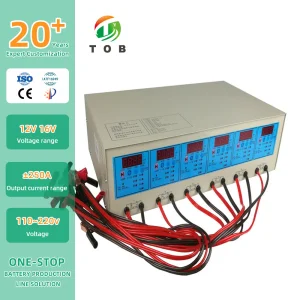
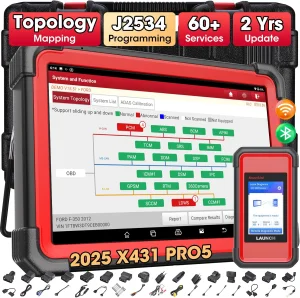
Adapting to standard shifts, electric powertrains, and high-performance electronic validation
The global automotive landscape is experiencing an unprecedented structural transition. Conventional diagnostic frameworks are rapidly expanding to handle advanced advanced driver-assistance systems (ADAS), complex battery electric vehicle (BEV) architectures, and real-time Telematics connected to regional cloud databases. As vehicle systems transition from purely mechanical assemblies to software-defined systems, modern OEM/ODM car inspection equipment factories must adapt to design diagnostic interfaces that read high-frequency controller area network (CAN-FD) and diagnostics-over-IP (DoIP) architectures.
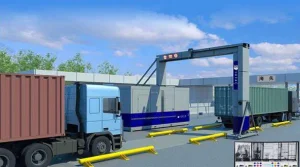
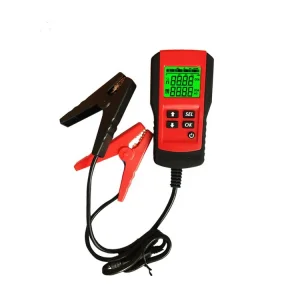
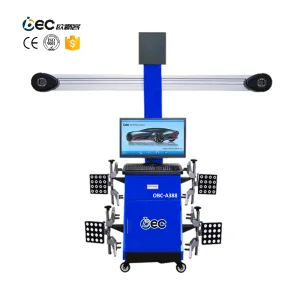
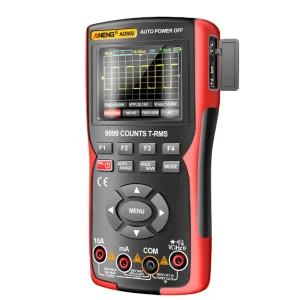
From an industrial perspective, high-capacity inspection systems are no longer isolated shop tools. Instead, they represent interconnected nodes within modern fleet networks, public safety inspection centers, and automated manufacturing floors. By developing end-to-end telemetry modules alongside handheld micro-controllers, modern factories offer customized toolkits allowing commercial workshops to run instant ECU configuration adjustments, high-voltage battery cell impedance verification, and precise 3D wheel-to-axle alignment sweeps.
Engineered design paths for custom injection molds, custom diagnostic software layers, tailor-made API hooks, and PCB layout configurations ensuring deep hardware alignment.
We guarantee compliance to regional CE, FCC, RoHS, and strict UL profiles. Keep equipment compliant in key logistics centers throughout North America and Europe.
Tailored interfaces designed specifically for electric vehicle high-voltage architecture, state-of-health (SOH) battery management, and complex ADAS radar alignment.
Innovative manufacturing workflows and rigorous electronic testing for the global automotive aftermarket
Shenzhen Manata Scanner Co., Ltd. is a leading China automotive diagnostic equipment manufacturer specializing in advanced vehicle inspection systems and ECU diagnostic solutions for the global automotive aftermarket. With a strong commitment to innovation, quality, and intelligent vehicle servicing, Manata Scanner delivers reliable diagnostic technologies designed to improve maintenance efficiency, reduce downtime, and support modern workshop operations.
The company offers a comprehensive portfolio of automotive diagnostic equipment, including vehicle inspection systems, ECU programming and coding tools, automotive scan tools, ADAS calibration equipment, EV battery diagnostic systems, TPMS diagnostic devices, and intelligent fleet diagnostic solutions. These products are widely used by automotive repair workshops, vehicle inspection centers, dealerships, fleet operators, and maintenance service providers worldwide.
Driven by continuous technological innovation, Shenzhen Manata Scanner Co., Ltd. integrates artificial intelligence, cloud connectivity, big data analysis, and advanced electronic testing technologies into its product development process. The company's R&D team focuses on creating intelligent, accurate, and user-friendly diagnostic solutions capable of meeting the evolving requirements of both conventional and new energy vehicles.
Quality is at the core of Manata Scanner's manufacturing philosophy. The company implements strict quality management procedures throughout design, production, testing, and final inspection to ensure stable performance and long-term reliability. Its products are engineered to comply with international standards and are exported to customers across Europe, North America, South America, Southeast Asia, the Middle East, and other global markets.
Committed to becoming a trusted global partner in automotive diagnostics, Shenzhen Manata Scanner Co., Ltd. continues to provide innovative products, professional technical support, and customized solutions that help customers enhance service capabilities and operational efficiency.
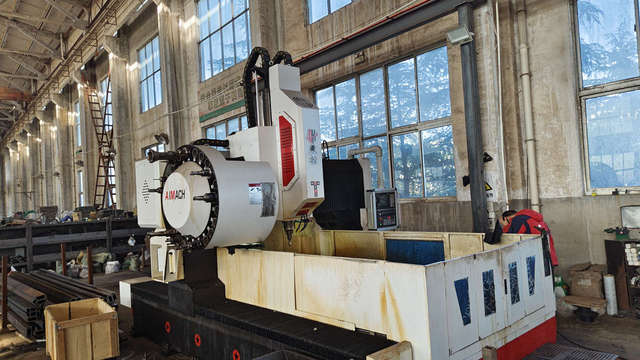
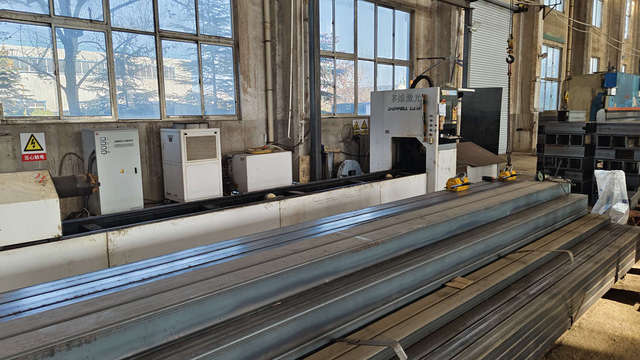
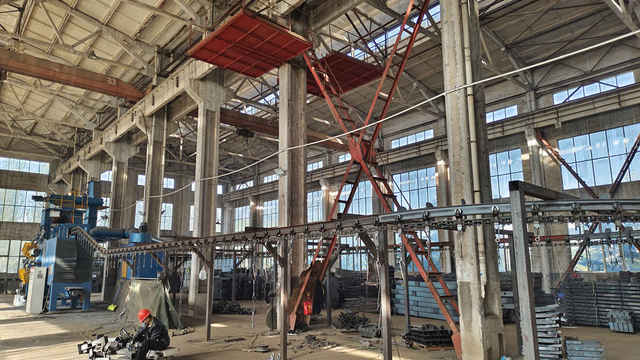
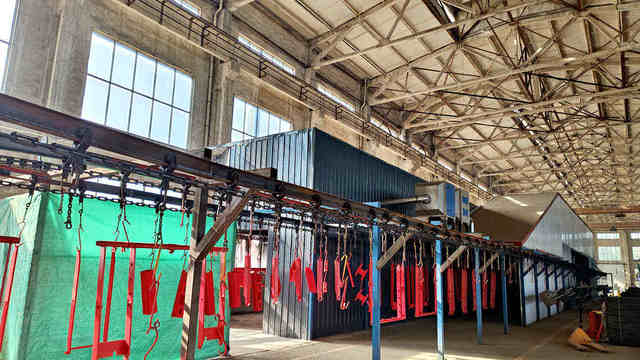
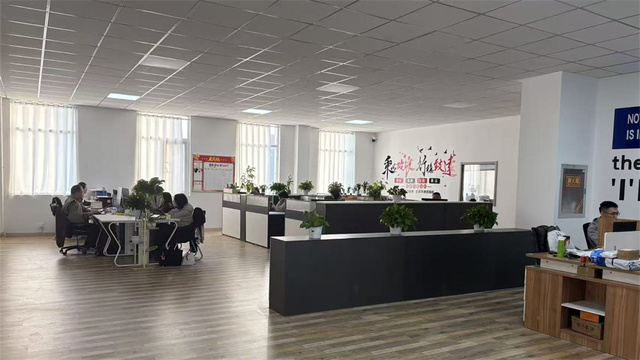
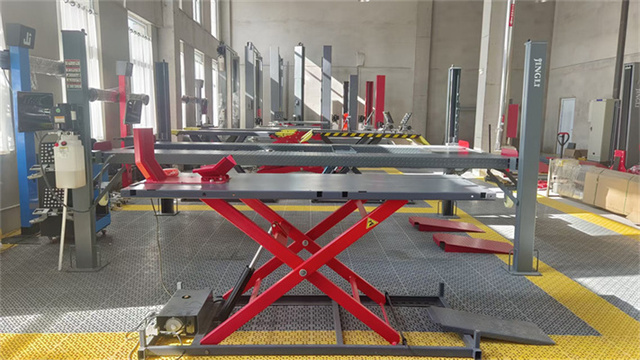
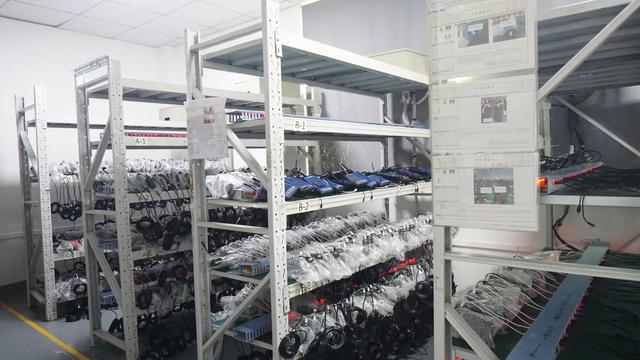
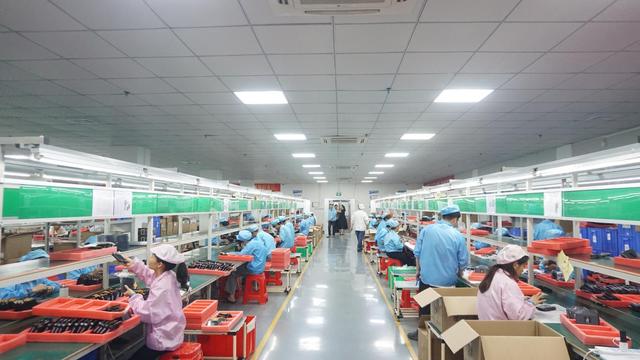
Ensuring hardware reliability across diverse global operational environments
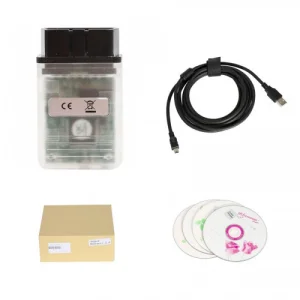
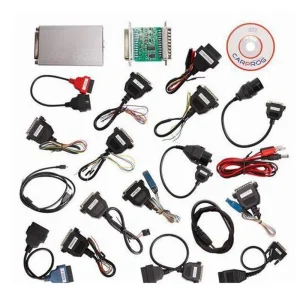
Custom electronics meant for automotive diagnostics must survive challenging workspace environments. This includes extreme heat cycles, electromagnetic fields from hybrid motors, chemical exposure, and continuous drops onto workshop floors. Our manufacturing lines run accelerated life testing (HALT) and electromagnetic susceptibility validation to secure clean J2534 pass-through functionality without data corruption.
Additionally, local compliance defines market entry success. An OEM scanner must meet CE safety certifications for European markets, FCC standards for North American wireless emissions, and WEEE/RoHS guidelines for environment-safe materials. By working with a factory that actively maintains these certifications, procurement partners minimize transit risks, custom detentions, and local distribution liability.
Standardized manufacturing flow starting with quality component inspection and trace tracking to complete hardware unit verification.
Integrated global logistics channels combined with priority replacement options to minimize operational downtime.
Open and custom API structures, J2534 DLL packages, and driver kits to match proprietary management programs.
Training support, technical manuals, schematics, and remote diagnostic access to simplify support setup.
Navigating 5G cloud networks, AI-assisted telemetry, and electric vehicle testing
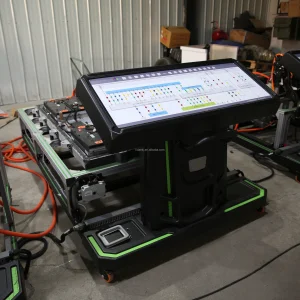
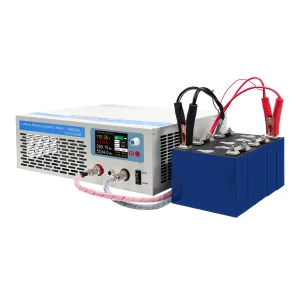
As the automotive sector looks to the future, diagnostic frameworks are shifting away from manual error checking towards active predictive intelligence. High-density battery packs (such as lithium-ion cells) demand continuous performance tracking during both charge cycles and peak discharge states. Using our advanced EV Battery BMS Diagnostic Trainer, technicians can simulate various controller faults to map exactly how battery cells age over time.
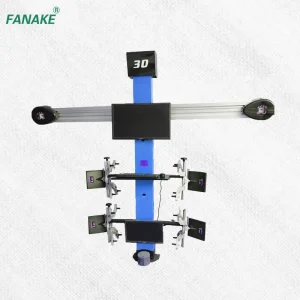
At the same time, safety sensors like lane-keep systems, emergency braking, and blind spot cameras require accurate recalibration after any collision, suspension adjustment, or glass replacement. Developing laser-based, auto-leveling 3D wheel alignment and ADAS setups ensures workshops can adjust these critical components down to the millimeter, minimizing safety risks for the end driver.
Clear answers on custom options, certification, logistics, and technology integration
Q1: How do you handle custom requests for your OEM/ODM diagnostic tools?
A: We offer a structured OEM/ODM roadmap. First, we outline target PCB components and physical enclosures. Next, we provide 3D CAD mockups and coordinate custom injection molding. Finally, we implement custom boot logos, integrate target protocols (such as J2534, OBD-II, CAN-FD, or DoIP), and complete comprehensive quality control audits prior to volume production.
Q2: How does EV battery diagnosis differ from traditional ICE vehicle scanning?
A: ICE scanning focuses mainly on emissions, powertrain controllers, and sensors. EV battery diagnostics check state-of-charge (SOC), state-of-health (SOH), individual cell voltages, and thermal management metrics. Dedicated equipment, such as our EV Battery BMS Diagnostic Trainer, uses specialized loads to safely analyze battery pack systems under load.
Q3: Why is J2534 protocol compatibility essential for global service workshops?
A: The SAE J2534 standard defines a uniform framework for reprogramming automotive electronics. Having J2534 compatibility allows independent workshops to write firmware updates directly from automotive manufacturers' servers without needing expensive, brand-specific tools for each make and model.
Q4: What certifications do your diagnostic systems carry for global markets?
A: All products are engineered to comply with strict international standards, including CE, FCC, RoHS, and ISO9001:2015. Our manufacturing pipelines carry out ESD tests, heat tests, and vibration tests to ensure your diagnostic tools perform reliably under demanding, real-world conditions.
Q5: Can you integrate custom software or remote diagnosis portals into your hardware?
A: Yes, we provide full API integration, SDK support, and custom firmware packages. This enables you to link your hardware directly to custom fleet management systems, remote diagnostic databases, and shop software solutions.
High-performance tools built for professional repair shops and high-throughput diagnostic networks
 Manata Scanner