High-precision vehicle diagnostic equipment, EV battery pack analyzers, and commercial telematics modules engineered for global markets.
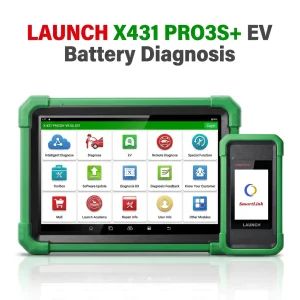
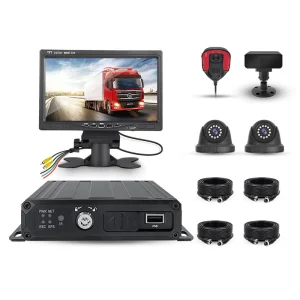
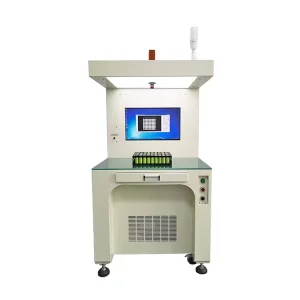
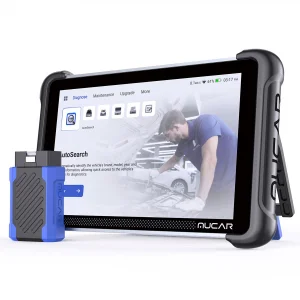
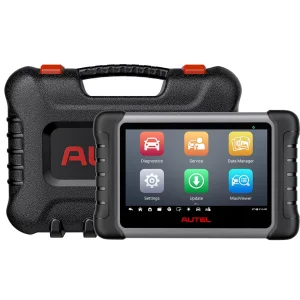
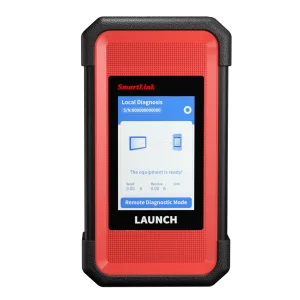
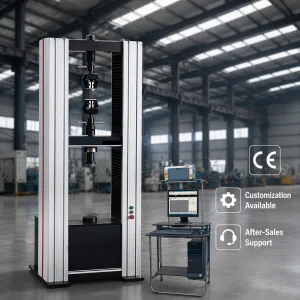
Shenzhen Manata Scanner Co., Ltd. is a leading China automotive diagnostic equipment manufacturer specializing in advanced vehicle inspection systems and ECU diagnostic solutions for the global automotive aftermarket. Driven by a steadfast commitment to technological innovation, industrial quality, and intelligent vehicle servicing, Manata Scanner designs and delivers robust telemetry and diagnosis architectures to optimize workshop workflows, minimize vehicle downtime, and pave the way for connected fleets.
Our solutions target the intersection of physical signal testing and cloud-based analytics. By integrating sophisticated data protocols (such as DoIP, CAN-FD, and J2534) into our manufactured scanners, we enable workshops and fleet operators to perform in-depth ECU programming, real-time parameters monitoring, and ADAS calibrations. With products deployed across Europe, North America, South America, and Asia, our hardware forms the foundation of real-world automotive data acquisition pipelines.
We provide custom hardware design, firmware adjustment, protocol integration, and branded dashboard portals for global distributors. Our core manufacturing capabilities ensure compliance with strict CE, FCC, and RoHS standards.
Whether you require custom housing for ruggedized vehicle scanners, tailored OBD-II telemetry firmware, or diagnostic benches for cylindrical lithium cell inspection, our dedicated R&D team maps performance requirements to reliable electronic assemblies.
Understanding the transition from local diagnostic Trouble Codes (DTC) to cloud-managed predictive diagnostics and prognostics.
Modern transit demands real-time risk assessment. By integrating AI-driven Mobile DVRs with ADAS (Advanced Driver Assistance Systems) and DMS (Driver Monitoring Systems), hardware acts as an active analytical edge node, processing multi-channel HD video streams to prevent collisions and log driver behaviors dynamically.
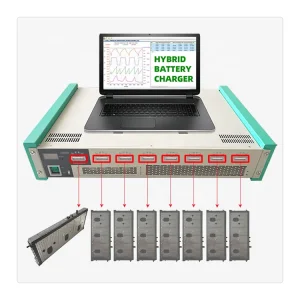
The global push towards New Energy Vehicles (NEVs) shifts the diagnostic focus to Electrochemical Analytics. Manufacturers require custom cyclers, balance charging/discharging systems, and dedicated scanners capable of interfacing directly with BMS (Battery Management Systems) to access SOH and cell consistency matrices.
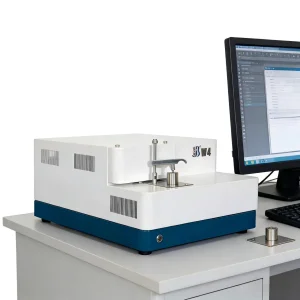
Automotive structural integrity starts at the foundry level. Advanced analytical equipment like vacuum emission spectrometers verifies chemical compositions of alloys, ensuring engine blocks, vehicle frames, and steering components withstand mechanical strain, directly feeding telemetry baseline configurations.
Traditional OBD scanners merely present raw hexadecimal fault codes. The new standard of automotive diagnostics, developed by OEM/ODM exporters like Manata Scanner, translates these hardware states on the fly. By integrating local API layers, diagnostic data is structured into JSON payloads and pushed via 4G/5G networks to enterprise business intelligence platforms. This allows leasing firms, municipal transit operations, and logistics hubs to predict engine breakdowns up to two weeks before dashboard warnings trigger.
The shift toward software-defined vehicles requires a new breed of diagnostics equipment capable of processing high-frequency data pipelines.
1. Convergence of Telematics and Diagnostics: Historically, GPS tracking and vehicle diagnostics operated in silos. Today, high-speed 4G telematics gateways capture real-time vehicle trajectories while continuously querying the vehicle's internal networks (CAN-bus, LIN-bus) for diagnostic trouble codes. This dual-purpose setup provides operators with context—knowing not just where a vehicle stalled, but the internal pressure and thermal variables that caused it.
2. Evolution of Battery Cell Inspection: As electric vehicle fleets age, diagnosing battery packs through the standard OBD port becomes insufficient. Workshop and remanufacturing environments require direct testing lines: cell charge/discharge analyzers, CCD optical verification machines to check busbars, and professional tools to balance individual cell voltages, helping restore overall pack capability and safety.
3. Advanced ADAS and DMS Requirements: Regulation globally is mandating active driver monitoring and emergency braking systems. For exporters, this means manufacturing mobile DVRs equipped with localized AI processing to detect driver fatigue, lane drifts, and imminent collision metrics without relying on cloud computation speeds, ensuring instantaneous active safety warnings.
How our diagnostic systems and analytics engines adapt to distinct regional regulatory frameworks and operating environments.
In North America and Europe, compliance regulations like ELD (Electronic Logging Devices) and strict cargo transport security require continuous vehicle health monitoring. Here, our custom MDVR solutions and OBD2 telemetry adapters provide fleet managers with encrypted vehicle telemetry. Our hardware streams engine diagnostics directly into routing platforms, allowing companies to avoid downtime and lower operational risks through predictive maintenance protocols.
Repair shops in rapidly motorizing markets face the challenge of scanning diverse vehicle fleets, ranging from legacy internal combustion engines to modern imported EVs. Multi-protocol compatibility (including CAN-FD and DoIP protocols) in tools like the Launch X431 and Autel MaxiCOM systems enables technicians to run bi-directional active tests, code replacement ECUs, and calibrate ADAS systems using a single console, enhancing workshop service capacity.
Developing next-generation automotive diagnostic systems that bridge physical electronics and cloud platforms.
Unifying J2534, DoIP, and CAN-FD interfaces into compact, heat-dissipating OBD dongles. Providing support for high-frequency signal querying without causing ECU packet collision or signal degradation during active diagnostics.
Embedding lightweight neural network processors directly into MDVR and diagnostic consoles. Allowing real-time, on-device analysis of electrical signals, battery charge curves, and thermal outputs to trigger warnings before hardware failure.
Developing continuous synchronization between physical testing platforms and virtual vehicle representations. Building deep profiles of battery wear, ECU state drift, and structural wear over time to support optimized fleet logistics management.
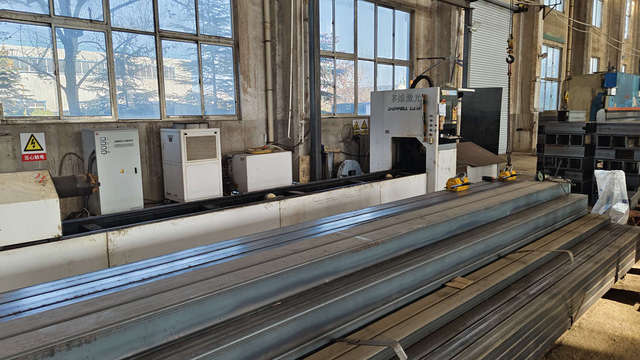
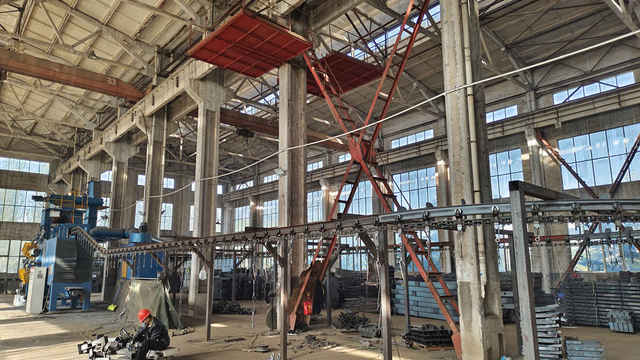
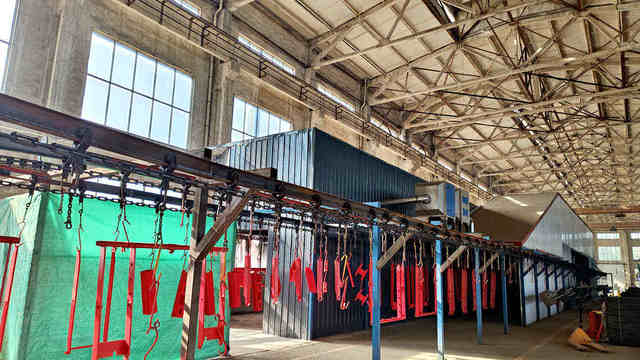
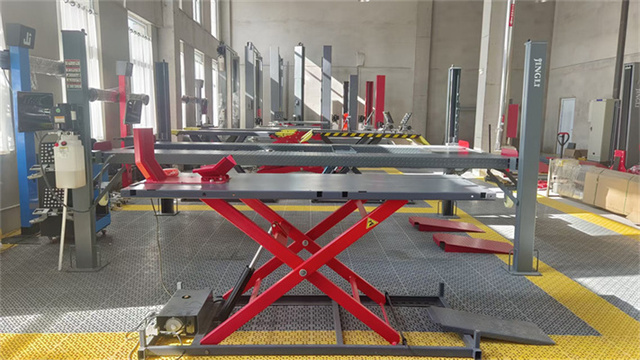
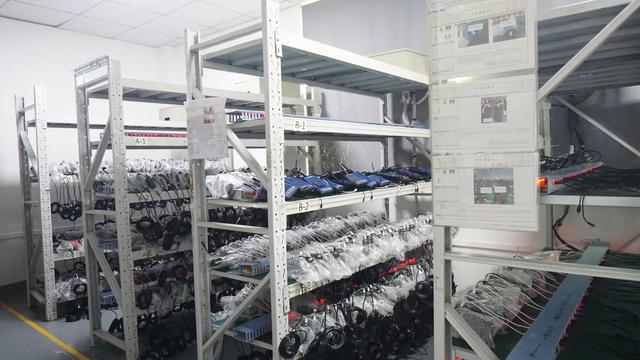
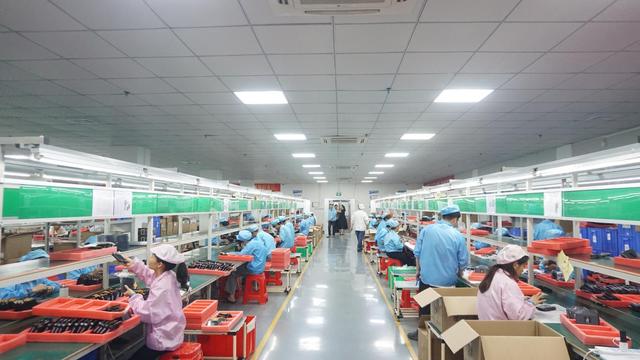
A look inside the manufacturing facilities of Shenzhen Manata Scanner Co., Ltd., detailing how raw components are built into precision diagnostic instruments.
To ensure stable operation under demanding workshop conditions, our facilities employ strict quality control protocols, ranging from automated optical inspection of circuit boards to environmental thermal chamber testing.
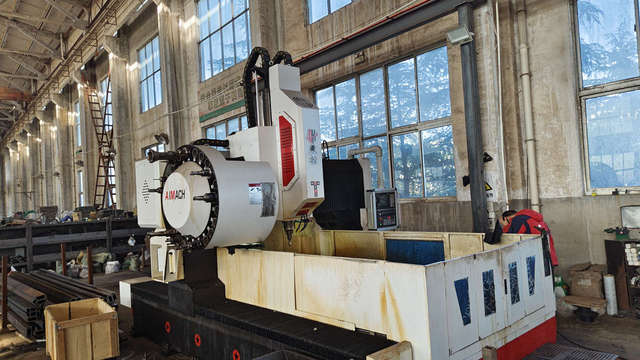

Explore our specialized hardware collection, including battery balancers, fleet locators, and heavy-duty inspection instruments.
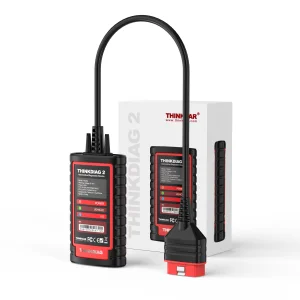
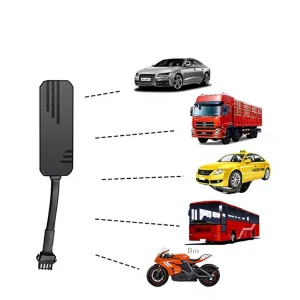

Technical details regarding our diagnostic technologies, custom manufacturing capabilities, and order processes.
 Manata Scanner