High-precision diagnostic equipment engineered for global service centers, fleet maintenance, and automotive workshops.

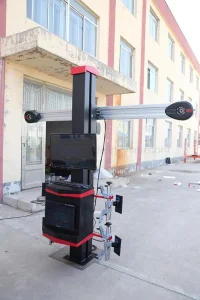
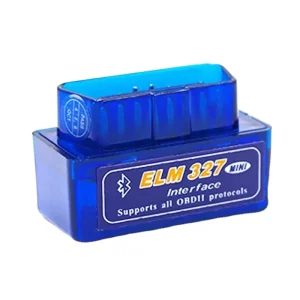
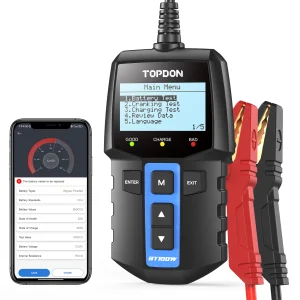
As global emission standards such as Euro VI, EPA Tier 4, and China VI become increasingly stringent, diesel vehicle manufacturers and fleet operators rely heavily on Selective Catalytic Reduction (SCR) systems to limit Nitrogen Oxide (NOx) emissions. The core reagent powering these systems is Diesel Exhaust Fluid (DEF), commonly known as AdBlue in Europe. DEF consists of a precise composition of 32.5% high-purity urea and 67.5% deionized water.
Any deviations from this composition—whether due to evaporation, dilution, or chemical contamination—can cause immediate failures within the SCR catalytic converter. Substandard DEF leads to deposits in the dosing valve, increased NOx emissions, engine performance derating, and ultimately, costly vehicle breakdowns. To mitigate these risks, high-precision Diesel Exhaust Fluid Test Equipment has transitioned from laboratory luxury to operational necessity.
At Shenzhen Manata Scanner Co., Ltd., we bridge the gap between compliance regulations and field execution. As a prominent China wholesale manufacturer and supplier, we specialize in delivering high-fidelity refractometers, electrical conductivity sensors, and integrated diagnostic instruments designed to accurately measure DEF purity and safeguard commercial fleet performance.
Proven performance benchmarks that make us the preferred wholesale manufacturing partner globally.
Understanding the evolution of quality control tools for Selective Catalytic Reduction systems.
Traditional analog refractometers are giving way to digital optical sensors equipped with Automatic Temperature Compensation (ATC). Because temperature severely impacts the refractive index of urea solutions, ATC guarantees highly consistent testing results between 10°C and 40°C.
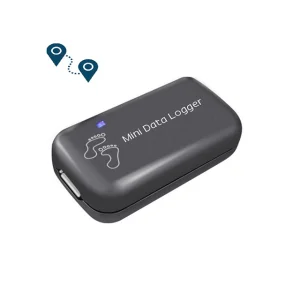
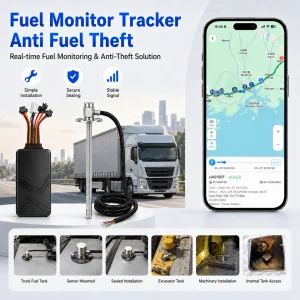
Modern fleets require automated data storage. Advanced diesel exhaust fluid test equipment now integrates Bluetooth and cellular connectivity, allowing technicians to upload diagnostic results directly to telemetry systems such as fuel monitoring trackers.
Urea concentration checks alone do not tell the whole story. Trace mineral impurities (such as calcium, copper, or zinc) poison SCR catalyst metals. Emerging equipment incorporates conductivity tests to detect unauthorized dilution with tap water rather than deionized water.
Managing global distribution channels, retail automotive stores, or complex fleet supply networks demands reliable test equipment sourcing. For B2B procurement professionals, purchasing directly from a Chinese OEM/ODM manufacturer yields structural supply-chain advantages:
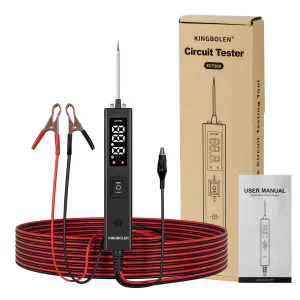
Whether you require entry-level optical refractometers or high-end diagnostic suites integrating circuit testers, sensors, and GPS logging parameters, our unified production pipeline guarantees quality stability across all volume runs.
DEF testing should not occur in isolation. Incorporating fluid testing into broader vehicle diagnostic audits prevents premature component degradation. For instance, when a vehicle shows a diagnostic trouble code (DTC) related to the SCR catalyst (e.g., SPN 4364 - SCR NOx Catalyst Efficiency), the cause is frequently poor-quality DEF or a degraded NOx sensor rather than structural catalyst failure.
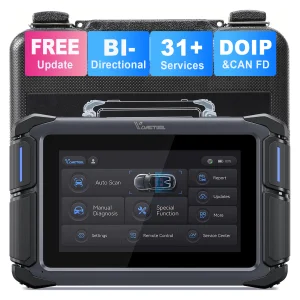
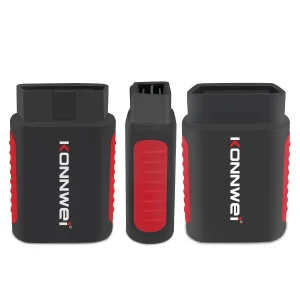
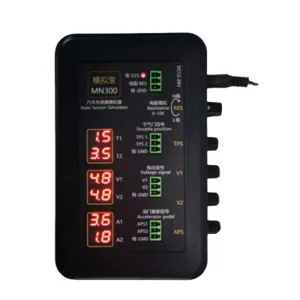
By integrating handheld DEF testing tools alongside comprehensive OBD-II diagnostic scanners and sensor simulators, workshops can quickly pinpoint faults. Testing the fluid first avoids unnecessary, highly expensive replacement of the physical SCR catalyst module, generating immediate cost savings for operators.
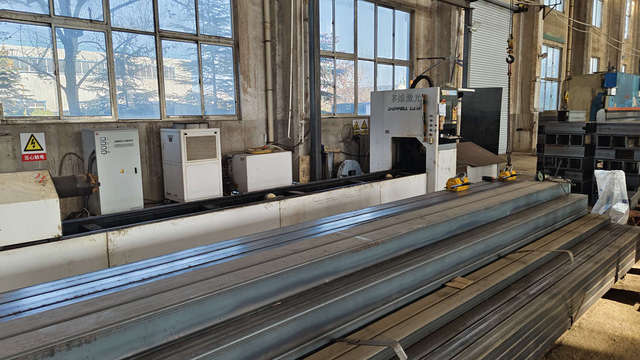
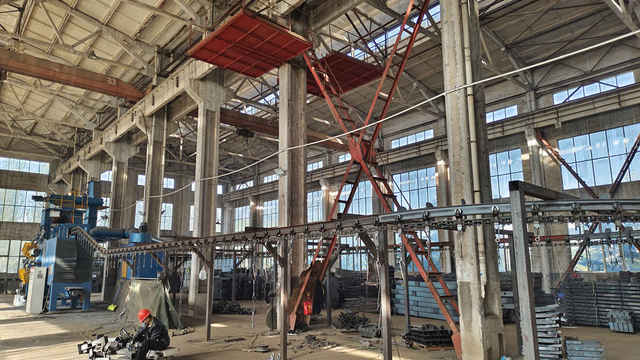
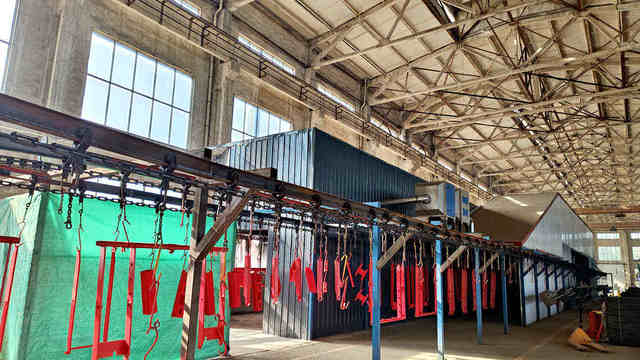
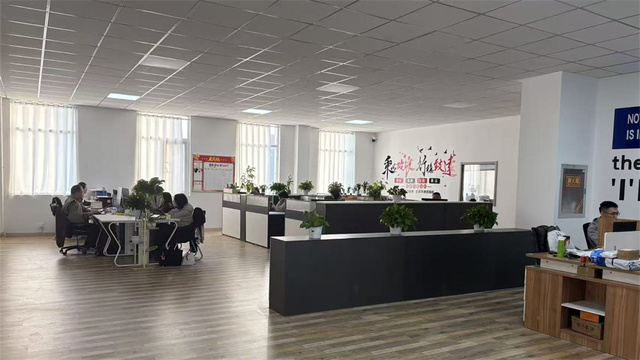
Shenzhen Manata Scanner Co., Ltd. is a leading China automotive diagnostic equipment manufacturer specializing in advanced vehicle inspection systems and ECU diagnostic solutions for the global automotive aftermarket. With a strong commitment to innovation, quality, and intelligent vehicle servicing, Manata Scanner delivers reliable diagnostic technologies designed to improve maintenance efficiency, reduce downtime, and support modern workshop operations.
The company offers a comprehensive portfolio of automotive diagnostic equipment, including vehicle inspection systems, ECU programming and coding tools, automotive scan tools, ADAS calibration equipment, EV battery diagnostic systems, TPMS diagnostic devices, and intelligent fleet diagnostic solutions. These products are widely used by automotive repair workshops, vehicle inspection centers, dealerships, fleet operators, and maintenance service providers worldwide.
Driven by continuous technological innovation, Shenzhen Manata Scanner Co., Ltd. integrates artificial intelligence, cloud connectivity, big data analysis, and advanced electronic testing technologies into its product development process. The company's R&D team focuses on creating intelligent, accurate, and user-friendly diagnostic solutions capable of meeting the evolving requirements of both conventional and new energy vehicles.
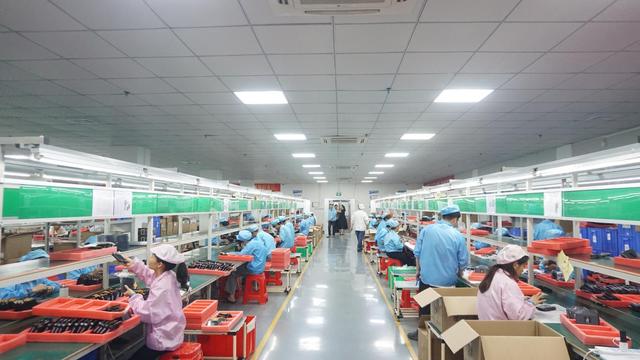
Quality is at the core of Manata Scanner's manufacturing philosophy. The company implements strict quality management procedures throughout design, production, testing, and final inspection to ensure stable performance and long-term reliability. Its products are engineered to comply with international standards and are exported to customers across Europe, North America, South America, Southeast Asia, the Middle East, and other global markets.
Committed to becoming a trusted global partner in automotive diagnostics, Shenzhen Manata Scanner Co., Ltd. continues to provide innovative products, professional technical support, and customized solutions that help customers enhance service capabilities and operational efficiency.
Technical answers to common procurement, calibration, and operating questions from fleet professionals.
At 32.5% urea concentration, the solution reaches its lowest freezing point (eutectic point), which is -11°C (12°F). In this exact ratio, the urea and deionized water freeze and thaw at the same rate, preventing concentration imbalances or localized crystals that could block the dosing pump.
The refractive index of water and urea varies with temperature. High-quality testing equipment features Automatic Temperature Compensation (ATC). Without ATC, readings taken in hot garages or cold winter fields will be inaccurate, potentially failing acceptable batches or passing contaminated ones.
Contamination is typically caused by three sources: utilizing non-dedicated transfer pumps (lubricants, diesel fuel, or coolant residues), diluting with mineral-heavy tap water to "stretch" DEF volumes, and dust or airborne particulates entering open storage tanks. Even microscopic traces of metal elements (such as zinc, copper, or iron) can damage catalyst systems.
It is recommended to calibrate hand-held testing units weekly, or at the start of any testing phase that involves extreme temperature variations. Calibration is quickly performed by applying distilled water to the prism and adjusting the reading screw back to a baseline of 0% (or refractive index 1.3330).
Modern OBD-II scanners can read real-time data from the onboard NOx sensors and DEF quality sensors installed within newer vehicle tanks. However, when a system flag is triggered, utilizing a physical refractometer is the primary method to verify whether the fluid is bad, or if the vehicle sensor itself has failed.
For standard equipment batches, the delivery lead time averages 15 to 25 days. For specialized OEM configurations—including customized scale markings, integrated Bluetooth modules, or tailored branding—production cycles typically run 35 to 45 days, depending on compliance certification testing requirements.
Expand your diagnostic capabilities with our comprehensive catalog of testing tools and fleet optimization systems.


 Manata Scanner