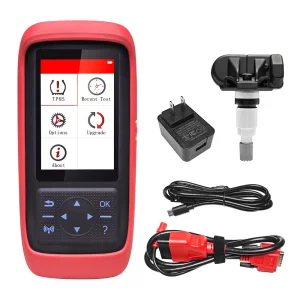
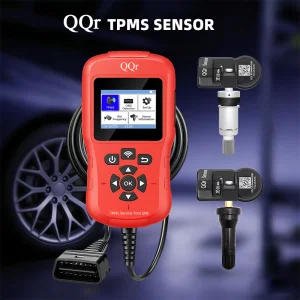
Manata Scanner
1 / 4



Q1: What is a programmable Bluetooth TPMS sensor?
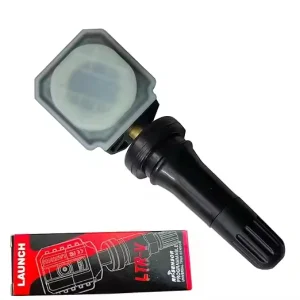
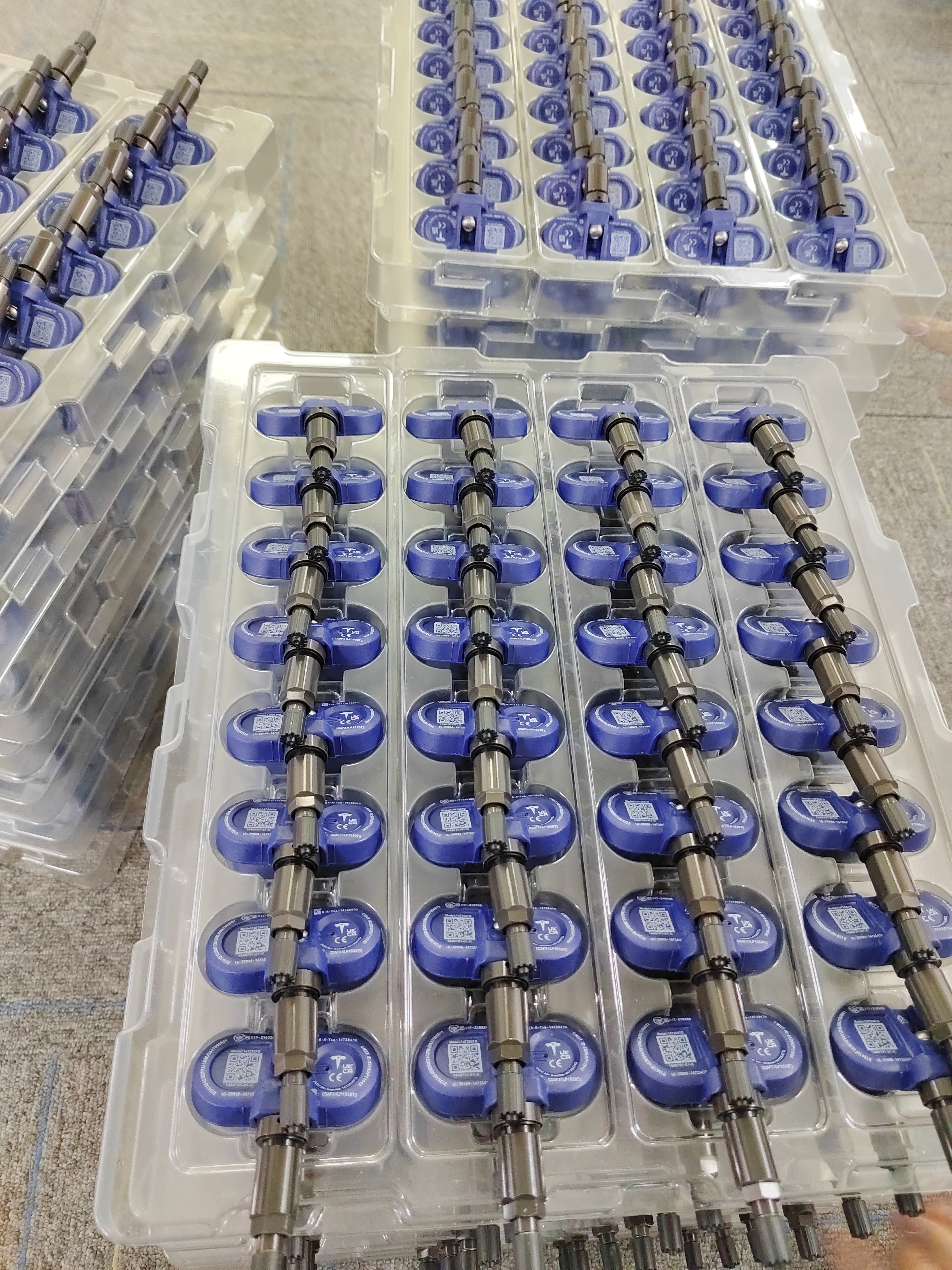
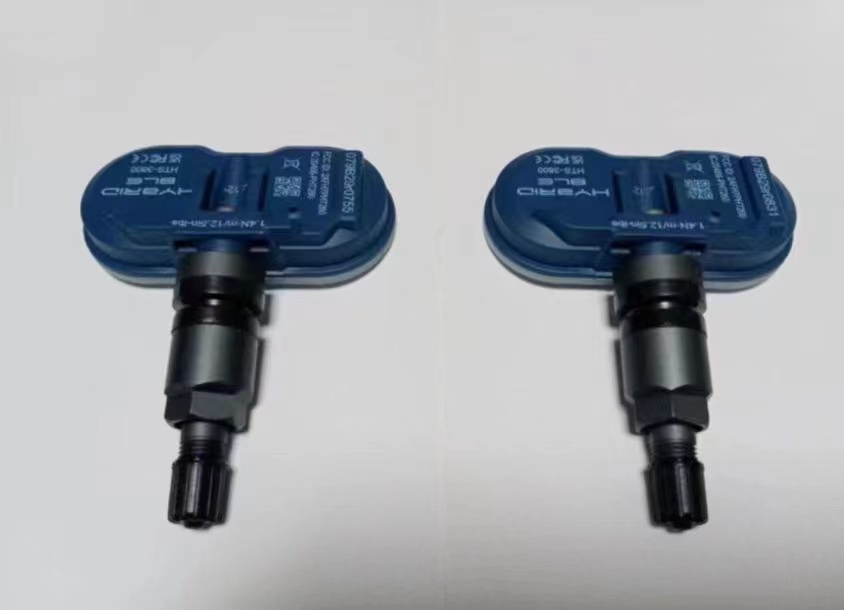
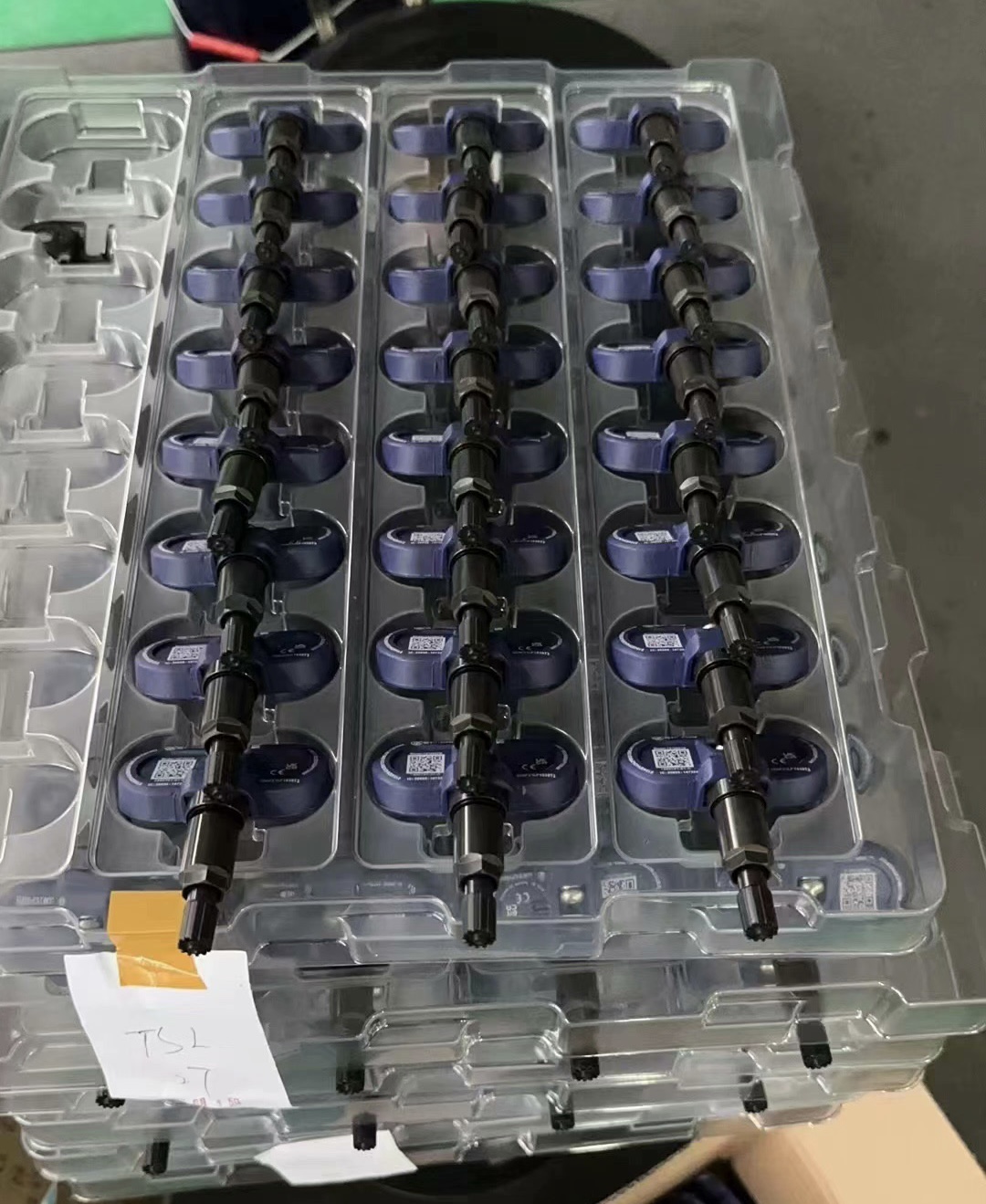
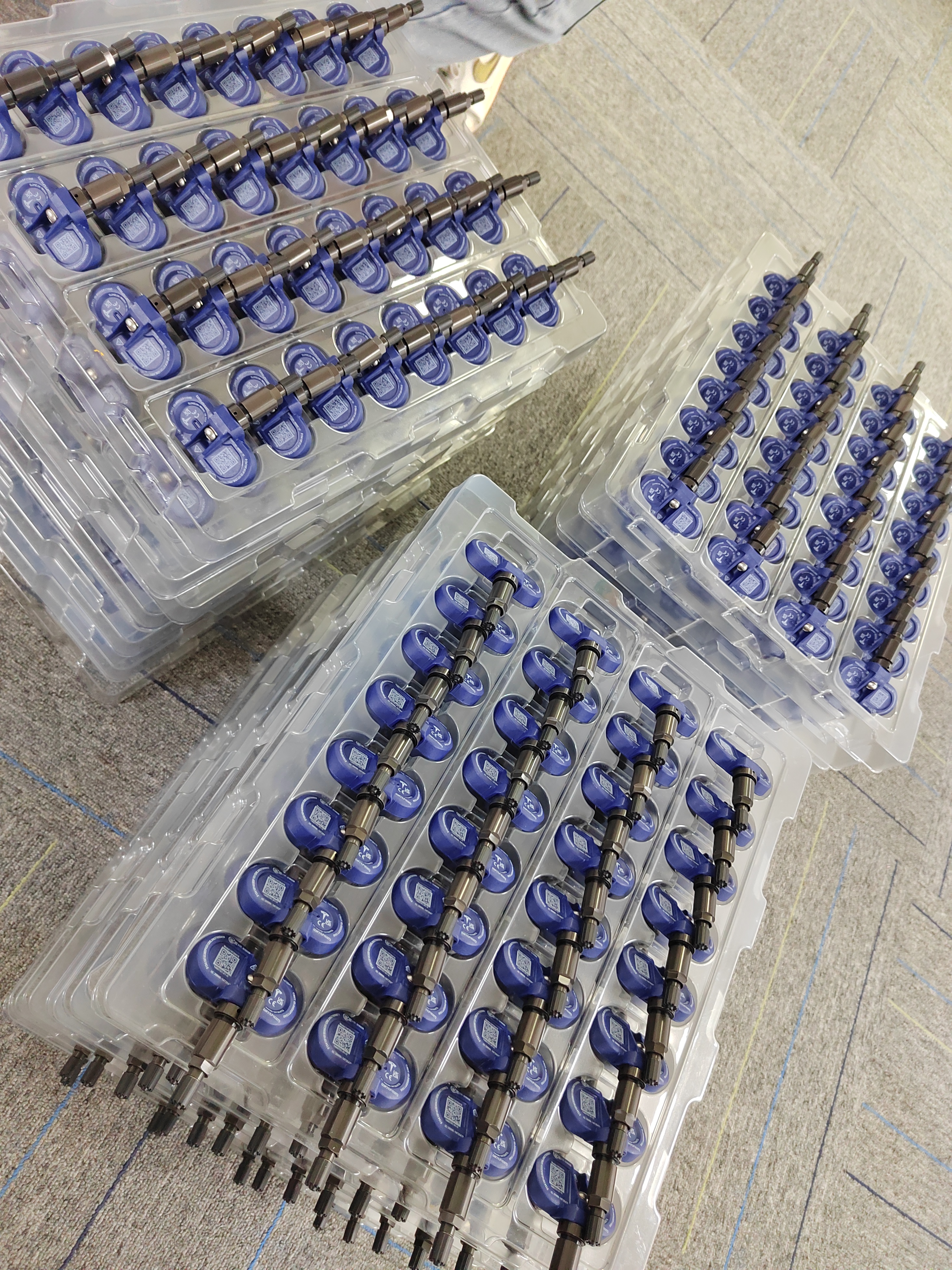
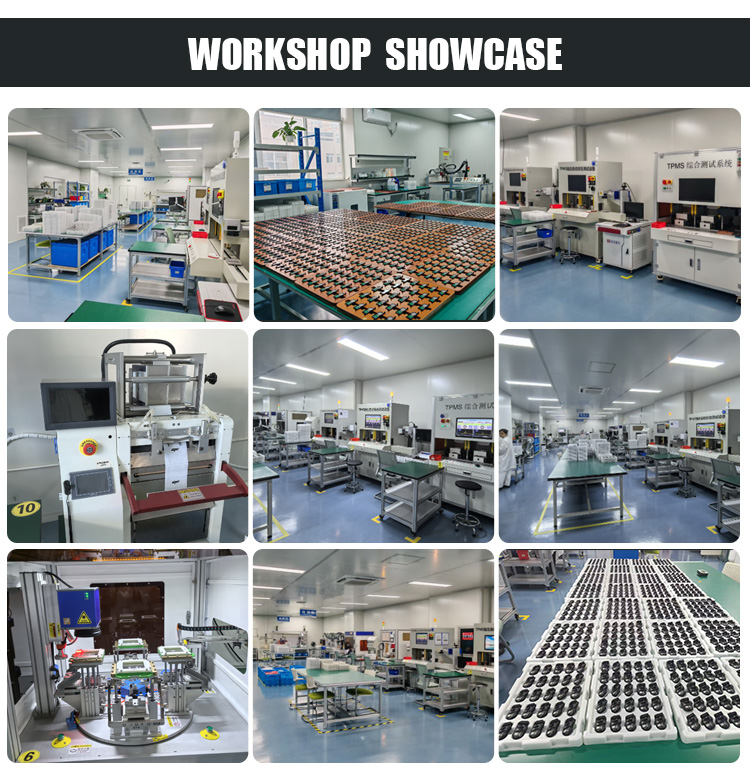
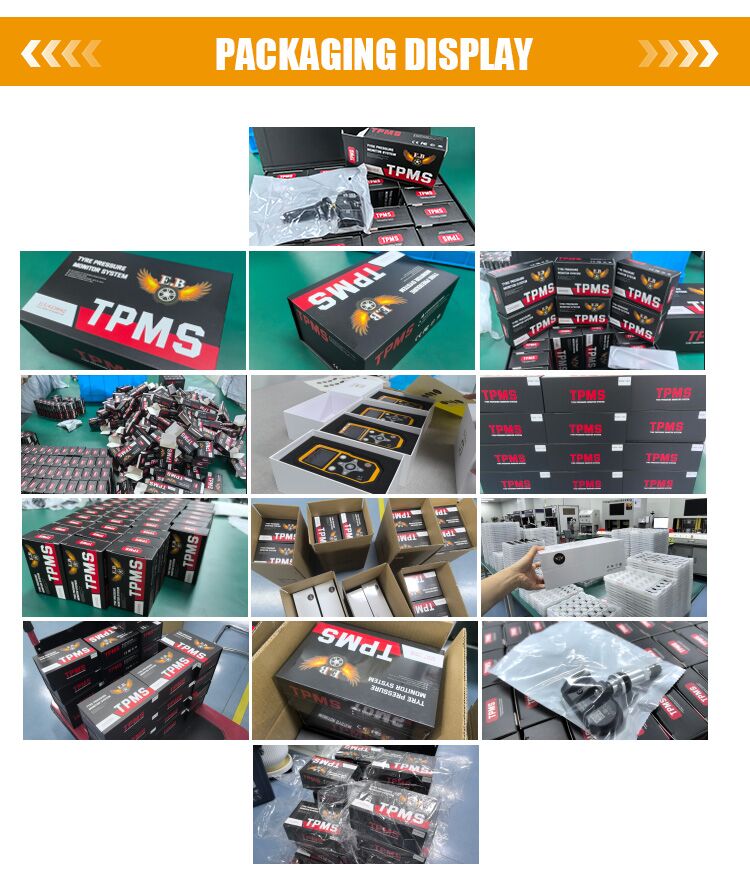
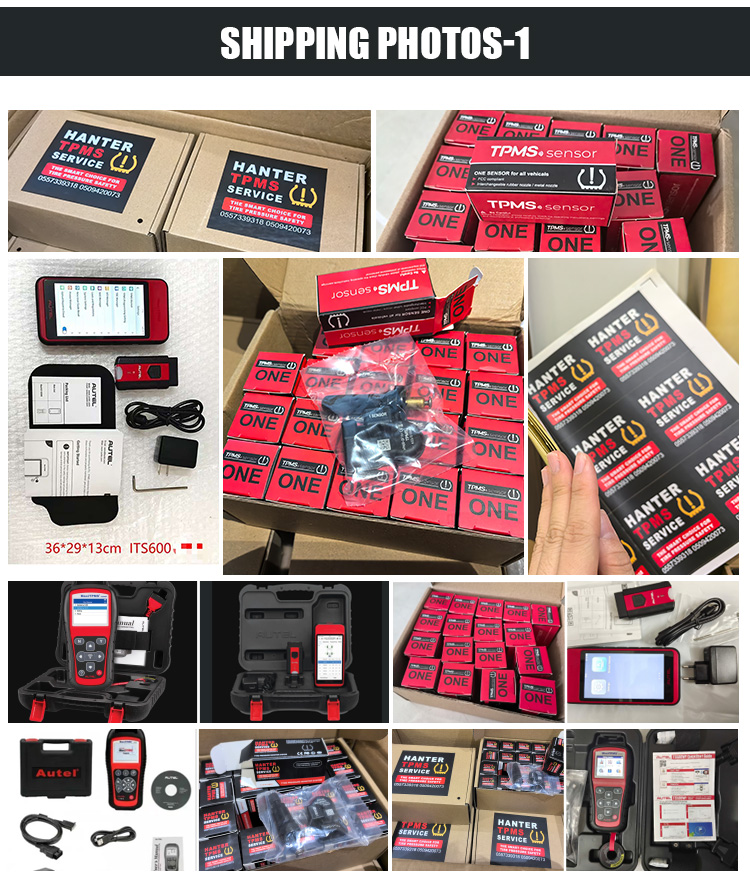
A1: It is a tire pressure monitoring system sensor that communicates tire pressure and temperature data directly via Bluetooth. It is programmable, meaning it can be configured to work seamlessly with compatible vehicles, such as Tesla models, using a diagnostic programming tool.
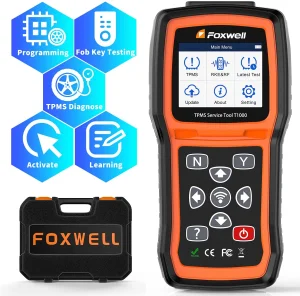
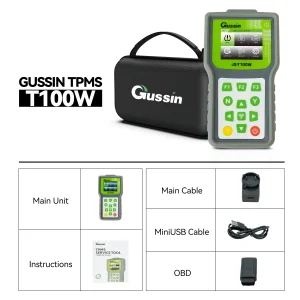
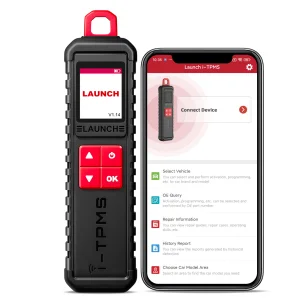
Q2: How does the TPMS diagnostic tool work with Bluetooth sensors?
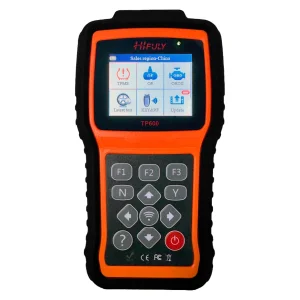
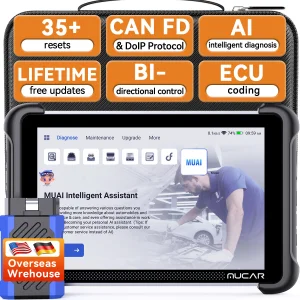
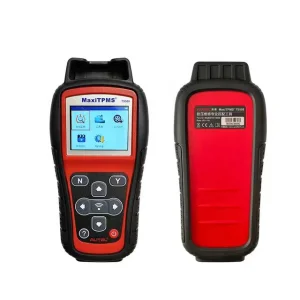
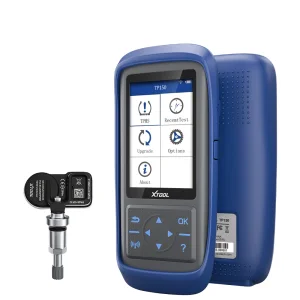
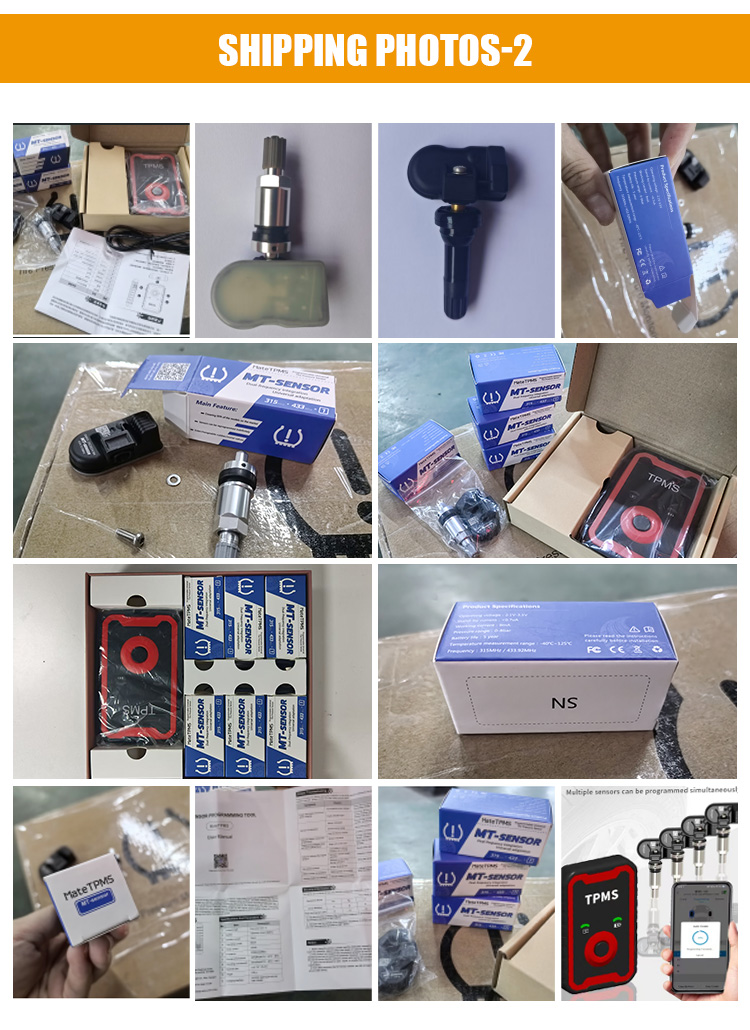
A2: The diagnostic tool communicates wirelessly or via cable to program the specific protocol details, sensor IDs, and threshold values onto the blank TPMS sensor. This allows the vehicle's onboard computer to recognize and register the new Bluetooth sensor.
Q3: Are these Bluetooth TPMS sensors compatible with Tesla vehicles?
A3: Yes, these sensors are specifically designed to meet the Bluetooth communication requirements of modern vehicles like Tesla, ensuring accurate data tracking and hassle-free system synchronization.
Q4: Why is a diagnostic tool necessary for installing new TPMS sensors?
A4: A diagnostic tool is essential to write the correct vehicle-specific configurations and sensor IDs into the programmable sensor. Without programming, the vehicle will not recognize the sensor and will display a TPMS warning light.
Q5: What are the main benefits of using Bluetooth TPMS sensors over standard RF sensors?
A5: Bluetooth TPMS sensors offer faster data transmission speeds, stronger signal reliability, and direct integration with smart systems, which prevents interference and provides real-time accuracy for enhanced driving safety.
Q6: What is the expected battery life of these Bluetooth TPMS sensors?
A6: These sensors are built with energy-efficient hardware and smart sleep modes, delivering a typical battery lifespan of 5 to 8 years under standard driving conditions.