How to Overcome Challenges in Modern Vehicle Diagnostics

Time:2026-11-09 Author:Charlotte
0%

Modern vehicle diagnostics now involve far more than reading a fault code. A warning light may point to a sensor, wiring fault, software issue, or a component affected elsewhere in the vehicle. Technicians often need to compare scan-tool data with physical checks, service information, and the driver’s account. A code is a clue, not a diagnosis. That distinction matters.

The challenge is growing as vehicles stay on the road longer and become more electronically complex. S&P Global Mobility reported that the average age of U.S. light vehicles reached 12.6 years in 2024, increasing the importance of reliable diagnosis across older and newer systems. McKinsey’s automotive software research has also described the shift toward software-defined vehicles, where connected features and electronic control systems make troubleshooting less straightforward. These reports provide useful context, though they do not measure every workshop’s daily diagnostic workload. Real cases vary.

So, what are the challenges in modern vehicle diagnostics? This guide examines common obstacles: incomplete fault codes, changing software, limited access to accurate repair information, and the time needed to isolate intermittent faults. It also considers practical responses, from confirming symptoms before replacing parts to documenting test results clearly. In practice, a rushed diagnosis can create extra work. Even skilled technicians sometimes need to revisit an assumption. Recognizing that is not a weakness; it is part of dependable diagnostic work.
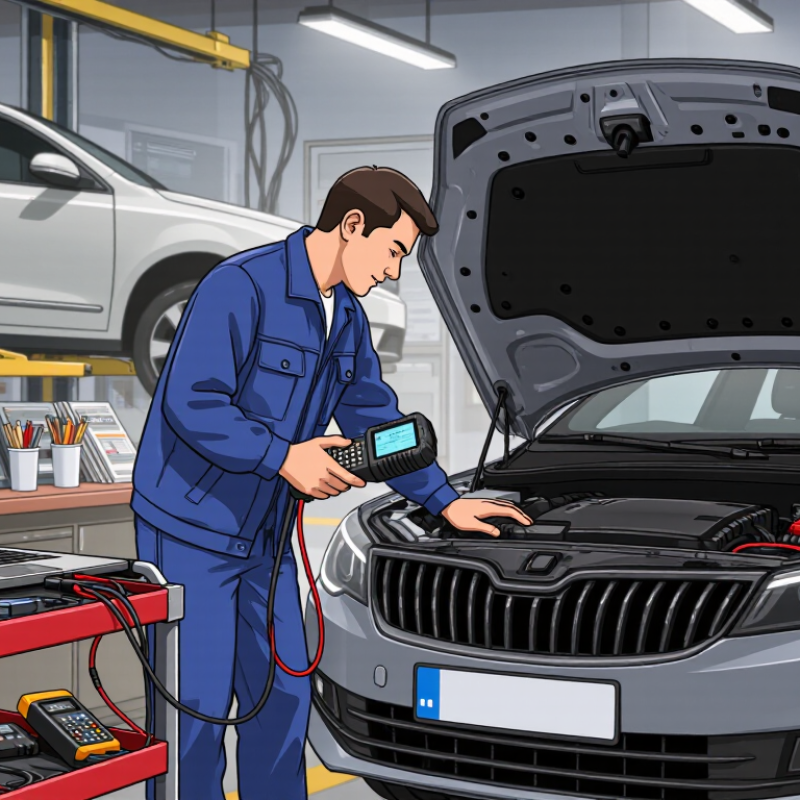
How to Overcome Challenges in Modern Vehicle Diagnostics

Understanding the Complexity of Modern Vehicle Diagnostic Systems

How to Overcome Challenges in Modern Vehicle Diagnostics

Modern vehicle diagnostics are difficult because one symptom can cross several electronic systems. A rough idle may involve airflow, ignition, sensor signals, or communication between control modules. Vehicles also route data through gateways, so a scan tool may not display every module equally.

McKinsey’s automotive software and electronics analysis projected these systems could account for about 30% of vehicle cost by 2030, compared with 10% in 2010. That shift matters.

A diagnostic trouble code is a starting point, not a verdict. Before replacing parts, compare freeze-frame data with live readings, check battery voltage under load, and inspect connector condition. A corroded ground, for example, can make several unrelated sensors report implausible values.

S&P Global Mobility reported that the average age of U.S. vehicles reached 12.6 years in 2024. Shops may therefore handle older wiring and newer networked platforms on the same day.

Codes are clues.

Reliable diagnosis depends on a repeatable process: confirm the complaint, verify power and ground, check network communication, then test the suspected circuit. Record software versions and conditions; intermittent faults may disappear as a vehicle warms up or a harness moves.

A professional scan is not enough if physical checks are skipped. It is easy to underestimate this: clean data can mislead when its context is missing.

Identifying Symptoms and Gathering Reliable Diagnostic Data

A warning light is a clue, not a diagnosis. Note when it appears: during a cold start, under acceleration, or after the vehicle has warmed up. Record changes in engine sound, idle quality, fuel economy, and response. Small clues matter. A brief hesitation at a stop may be more useful than a driver’s general report that the vehicle “feels off.” Ask what changed recently, including repairs, battery work, or unusual driving conditions.

Reliable diagnostic data begins with a careful scan, but a fault code alone rarely identifies the failed part. Save the exact codes and available freeze-frame details, such as engine temperature, vehicle speed, and load. Check battery voltage and inspect connectors, hoses, and visible wiring before drawing conclusions. Record test results, tools used, and conditions; repeat a measurement if it seems inconsistent. It is easy to trust the first reading too much. I have seen a rushed interpretation overlook a loose connection, though that is not always the cause. Compare symptoms with service information and verify suspected faults with appropriate tests. If evidence conflicts, pause and gather more data rather than replacing parts by guesswork.

Selecting and Using Appropriate Diagnostic Tools

Selecting a diagnostic tool starts with the vehicle, not the price tag. Check model-year coverage, communication protocols, and whether the tool can read live data, run bidirectional tests, and access manufacturer-specific functions. S&P Global Mobility reported that the average age of U.S. light vehicles reached 12.6 years in 2024. That mixed-age fleet makes broad coverage useful, but an older vehicle may still need a basic multimeter or wiring diagram more than an advanced scan tool. Data matters.

Match the tool to the fault. For an intermittent misfire, graphing live sensor data and checking ignition signals can reveal patterns a code alone cannot. For a network or charging issue, voltage-drop testing and circuit diagrams help avoid replacing parts by guesswork. The U.S. Bureau of Labor Statistics projects about 67,700 annual openings for automotive service technicians and mechanics from 2023 to 2033, underscoring the value of practical, repeatable diagnostic skills. Still, no tool guarantees a correct diagnosis; I’d treat a scan result as a clue, not a verdict.

Tips: Confirm software updates and coverage before buying. Keep a stable battery supply during programming, and save pre- and post-repair codes. If the data conflicts with symptoms, pause and test the circuit. That extra check can feel slow. It often prevents a costly comeback.

Interpreting Fault Codes, Sensor Readings, and System Data

How to Overcome Challenges in Modern Vehicle Diagnostics

Interpreting Fault Codes, Sensor Readings, and System Data

A diagnostic trouble code identifies a monitored condition, not necessarily the failed part. A lean-mixture code, for example, may reflect an intake leak, low fuel pressure, or a biased oxygen-sensor signal. Check freeze-frame data before clearing anything. Note engine speed, coolant temperature, and load when the fault appeared. Then compare live readings with service specifications and with related sensors. One number rarely tells the whole story.

Context matters. The J.D. Power 2024 U.S. Vehicle Dependability Study reported 190 problems per 100 vehicles, up 17 from the previous year. This survey measures reported vehicle problems, not diagnostic-code accuracy. Still, it illustrates why technicians should avoid treating each symptom as an isolated fault. Look for patterns across voltage, temperature, airflow, and communication data. A sensor may report a plausible value while responding too slowly. Check wiring, grounds, and connector condition before replacing it. Small details count.

I still find it easy to trust a clean-looking scan screen too quickly. That deserves a second look. Confirm suspected faults with repeat measurements, a controlled road test, or a wiring diagram. Record what changed and what did not. Keep uncertainty visible in the repair notes. A code is evidence, not a verdict.

Verifying Repairs and Preventing Recurring Diagnostic Issues

After a repair, clearing a fault code can feel like a finish line. It is only a reset. Record the original code, freeze-frame data, and symptoms before erasing anything. Then confirm the repair addressed the cause, not just the sensor reporting it. A loose ground, for example, can produce several unrelated-looking faults.

Verify the vehicle under conditions close to those that triggered the issue. If the warning appeared during a cold start, check a cold start; if it followed a long idle, reproduce that safely. Watch live data, inspect connectors for tension and corrosion, and check charging voltage when electrical faults recur. Test it again. A short road test may miss an intermittent problem, so scan again afterward and note pending codes or incomplete readiness monitors.

When a fault returns, compare new data with the original record instead of replacing another part by guesswork. A recurring code may point to wiring, a shared power supply, or an uncorrected mechanical condition. Rushed verification can create more work: one missed connector click can undo an otherwise sound repair. Not every symptom is repeatable on demand. Document what was tested, what changed, and what remains uncertain, then explain any follow-up checks to the vehicle owner.

FAQS

Why can one vehicle symptom involve several systems?

A rough idle may involve airflow, ignition, sensor signals, or module communication. One symptom can have several causes.

Does a diagnostic trouble code identify the failed part?

No. It identifies a monitored condition, not necessarily the faulty component. Codes are clues.

What data should be checked before clearing a code?

Record freeze-frame details, including engine speed, coolant temperature, and load. Keep the original evidence.

Why check battery voltage, grounds, and connectors?

Low voltage or a corroded ground can distort readings across several sensors. Small details matter.

How should live sensor readings be interpreted?

Compare them with service specifications and related sensor data. A plausible value may still respond too slowly.

What should happen after a repair?

Recreate the conditions that triggered the fault, then review live data and scan again. A short test may miss it.

What can a recurring code indicate?

It may point to wiring, a shared power supply, or an unresolved mechanical issue. Replacing another part may not help.

What should repair notes include?

Record what changed, what was tested, and what remains uncertain. I can trust a clean scan too quickly; context deserves another look.

Conclusion

Modern vehicle diagnostics can be challenging because today’s vehicles combine interconnected electronic systems, numerous sensors, and large amounts of data. Understanding how these systems interact is essential when asking what are the challenges in modern vehicle diagnostics. A successful diagnosis begins with carefully identifying symptoms, recording when they occur, and gathering reliable information rather than relying on assumptions. Choosing diagnostic tools that match the vehicle and the problem also helps technicians collect useful, accurate results.

Interpreting fault codes and sensor readings requires context: a code may point to a symptom, not the underlying cause. Comparing system data, checking related components, and confirming findings can help distinguish the actual fault from an apparent one. After a repair, testing the vehicle under relevant conditions and reviewing diagnostic data helps verify the result. Keeping clear records and addressing root causes can reduce recurring issues and make future diagnostics more efficient.

Charlotte

Charlotte

Charlotte is a seasoned marketing professional with a deep understanding of the company's portfolio and a passion for elevating its presence in the market. With a keen eye for detail and a commitment to excellence, she ensures that our professional blog is regularly updated with insightful articles......