How to Diagnose Car Electrical Problems Effectively?

Time:2026-07-31 Author:Ethan
0%

Diagnosing car electrical problems can be daunting. Many car owners feel anxious when faced with electrical issues. Understanding how to diagnose car electrical problems is essential for anyone who relies on a vehicle.

Electrical systems are complex, involving wires, circuits, and multiple components. A single malfunction can lead to frustrating symptoms. You might experience flickering lights or malfunctioning gauges. These signs spark concern and require immediate attention.

Experience plays a crucial role in pinpointing these issues. Relying on professional help can be costly. Developing your own diagnostic skills can save time and money. This journey requires patience and a willingness to learn. Remember, troubleshooting isn't always straightforward. When in doubt, consulting reliable sources or professionals can provide clarity.
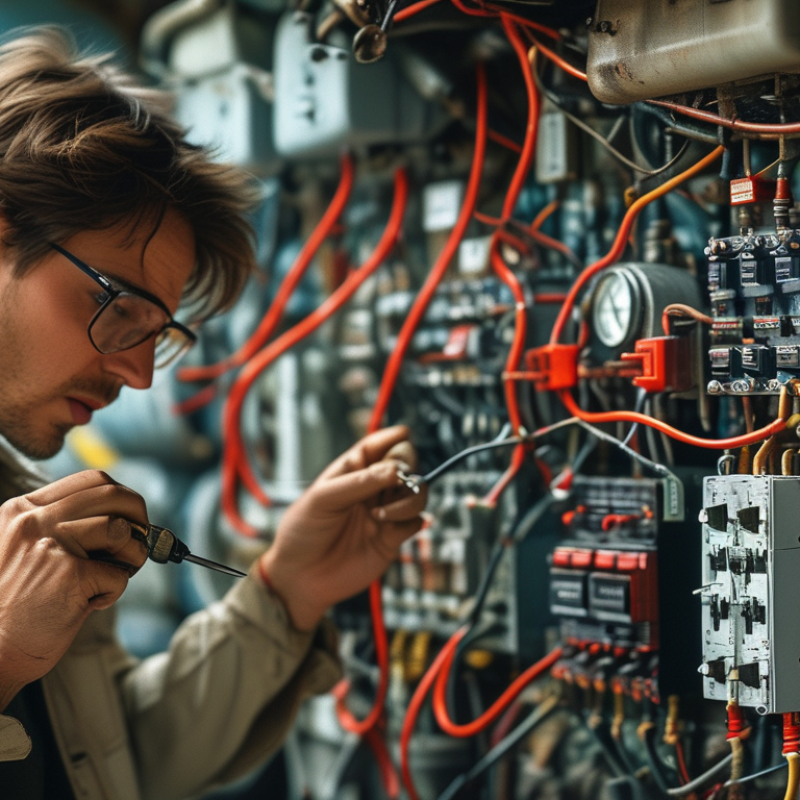
How to Diagnose Car Electrical Problems Effectively?

Understanding Common Car Electrical Problems

When diagnosing car electrical problems, recognizing common issues is crucial. Many drivers face issues such as dead batteries, faulty alternators, and blown fuses. A dead battery often results in a vehicle that won’t start, leaving you stranded. It may seem trivial, but sometimes, the terminals simply need cleaning. This small step can prevent further complications.

Another frequent problem is a malfunctioning alternator. This component is vital for charging the battery while driving. If you notice dimming lights or strange noises, the alternator may be at fault. Testing with a multimeter can ascertain whether it’s functioning properly. Often, neglecting these signs leads to bigger issues down the line. Paying attention to warning lights on the dashboard is essential, yet many ignore them.

Blown fuses indicate electrical faults in the system. They serve as protectors for sensitive components. If you find frequent fuse failures, there might be a deeper problem, like wiring issues or short circuits. Diagnosing these problems requires patience and attention to detail. Sometimes, professionals may miss subtler signs, leading to unreliable repairs. Taking time to inspect common components can save drivers from costly fixes.

Essential Tools for Diagnosing Electrical Issues

Diagnosing car electrical problems requires specific tools for effective results. Among these tools, a multimeter stands out as essential. This device measures voltage, current, and resistance. A good multimeter will allow you to pinpoint issues quickly. Make sure to use it properly. An improper connection might lead to misleading readings.

Another useful tool is a test light. This simple device helps verify the presence of voltage in a circuit. It's handy for checking fuses and wiring continuity. Keep in mind, a test light may not reveal problems in complex systems. Use it as a starting point.

Wiring diagrams are also invaluable. They provide a visual representation of your car's electrical system. Understanding these diagrams can be challenging. Mistakes can happen if you're not careful. Take your time to study the diagrams well. Reviewing them will enhance your diagnostic skills. Always be prepared for unexpected issues during your troubleshooting.

Car Electrical Problems Diagnosis Overview

Step-by-Step Diagnosis Process for Electrical Problems

Diagnosing car electrical problems can be complex, but a systematic approach helps. Start by checking the battery voltage. A healthy battery should read between 12.4 to 12.6 volts. Reports indicate that nearly 25% of electrical issues stem from battery problems. This emphasizes the importance of proper battery maintenance.

Next, inspect the fuses and wiring. Look for blown fuses or damaged wires, which are common culprits. A study showed that nearly 30% of electrical failures occur due to poor connections. Test wires for continuity using a multimeter. Ensure that all ground connections are secure. Erratic electrical behavior often indicates poor grounding.

Finally, evaluate the alternator and starter. Listen for unusual noises; this could indicate wear. A faulty alternator can lead to battery drain and electrical dysfunction. Analyzing vehicle diagnostics can provide error codes, aiding in pinpointing the issue. Remember, diagnosing electrical issues requires patience and careful observation. Don’t rush; thoroughness leads to better outcomes.

Interpreting Diagnostic Trouble Codes (DTCs)

Interpreting Diagnostic Trouble Codes (DTCs) is vital for diagnosing car electrical issues. When the check engine light illuminates, it signifies that the vehicle's onboard computer has detected a problem. This is where DTCs come into play. They act as a coded message, indicating specific faults within the vehicle. Each code corresponds to a particular issue, from sensor malfunctions to complex electrical failures.

Understanding DTCs requires some keen attention. A code like P0300 indicates a random/multiple cylinder misfire. This could point to issues with fuel delivery or ignition systems. Analyzing these codes accurately can save time and resources. However, codes alone aren't always foolproof. They may not reflect intermittent problems. Often, further diagnosis is needed, such as checking wiring or connectors.

Interpreting these codes isn't just about reading them. Testing systems based on those codes is essential. Conducting thorough visual inspections can reveal damaged wires or corroded connectors. These details matter greatly. A systematic approach, combining DTC analysis with physical checks, is crucial. Misinterpretation could lead to unnecessary repairs or overlooking the real issue. Hence, careful consideration should guide every diagnosis.

Testing and Repairing Electrical Components in Your Vehicle

Diagnosing electrical problems in vehicles requires a systematic approach. Begin by testing the battery. A healthy battery should output around 12.6 volts. If the voltage is below 12.4 volts, it may be time for a replacement. According to a study by the Automotive Research Institute, nearly 60% of electrical failures stem from battery issues.

Next, inspect fuses and connectors. A blown fuse can indicate a larger electrical issue. Use a multimeter to check connections for continuity. Poor connections can cause intermittent faults, affecting performance. In fact, the National Highway Traffic Safety Administration reports that up to 45% of electrical system problems originate from faulty wiring.

When addressing components such as starters and alternators, use specific tests for each part. For the alternator, ensure it produces between 13.8 to 14.2 volts when the engine runs. Patterns of flickering lights or slow cranking can also signal underlying issues. It’s vital to observe these signs carefully. Sometimes, replacing parts without proper testing can lead to unnecessary expenses. Engaging with these processes builds a foundation of knowledge that is essential for effective repairs.

FAQS

: What is a common sign of a dead battery?

: A dead battery often leaves your vehicle unable to start.

How can you tell if your alternator is failing?

Dimming lights or strange noises can indicate alternator problems.

What tool is essential for diagnosing electrical issues?

A multimeter is crucial for measuring voltage and resistance.

What should you do if you find frequent blown fuses?

Frequent blown fuses may point to deeper issues like wiring faults.

How do you test a vehicle's battery health?

A healthy battery should measure around 12.6 volts.

What role do wiring diagrams play in diagnosis?

Wiring diagrams help visualize the electrical system but can be complex.

Why is it important to pay attention to warning lights?

Ignoring warning lights may lead to bigger electrical issues later.

What can poor connections cause in a vehicle?

Poor connections can lead to intermittent faults affecting performance.

How can testing before replacing parts save money?

Proper testing prevents unnecessary expenses from replacing good parts.

What approach should you take when diagnosing components?

Use specific tests for each component, observing signs closely throughout.

Conclusion

Diagnosing car electrical problems can be a daunting task, but with the right knowledge and tools, it becomes manageable. First, understanding common electrical issues such as battery failures, faulty alternators, and wiring problems is crucial. Equipping yourself with essential tools like multimeters, scan tools, and circuit testers will facilitate the diagnosis process.

Once armed with the necessary tools, a systematic step-by-step approach should be taken to identify the source of the problem. This includes interpreting diagnostic trouble codes (DTCs) that provide insight into specific electrical failures. Finally, testing and repairing the various electrical components in your vehicle can restore functionality. Learning how to diagnose car electrical problems effectively ensures that you can address issues promptly and maintain optimal vehicle performance.

Ethan

Ethan

Ethan is a seasoned marketing professional with a deep expertise in our company's innovative product line. With a passion for sharing knowledge and insights, he takes the lead in regularly updating our corporate blog, where he explores industry trends, product features, and effective marketing......